


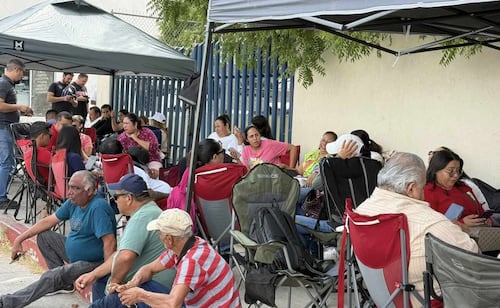
SNTE teachers demand strengthening of ISSSTE medical services in Baja California Sur; maintain mobilizations
Translated from Spanish, summarized and contextualized by DistantNews.
At a glance
News
Named sources
Ongoing story
- Teachers in Baja California Sur, Mexico, are protesting and on strike, demanding improvements to ISSSTE health services.
- They are calling for the repeal of a 2007 reform to the ISSSTE law and better healthcare access for educators and their families.
- The union highlights difficulties in accessing specialized medical care in remote areas of the state.
Teachers in Baja California Sur, Mexico, have intensified their protests and labor strikes, demanding significant improvements to the health services provided by the Institute of Security and Social Services for State Workers (ISSSTE). The educators, affiliated with Section 3 of the National Union of Education Workers (SNTE), are calling for the repeal of the 2007 reform to the ISSSTE law and better healthcare access.
Union leader Elmuth Castillo Sandoval emphasized that while fundamental changes to the pension system cannot happen overnight, the teachers expect concrete actions from federal and state authorities. A primary concern for educators in the state is the quality of medical attention available to them and their families, particularly in geographically challenging regions with limited specialists.
Castillo Sandoval pointed out that in remote communities across Mulegé, Loreto, Comondú, and rural areas of Los Cabos and La Paz, workers often travel long distances for specialized consultations or medical exams. He stated that these historical issues, which have led to severe health consequences for some beneficiaries, remain unresolved. The union also advocates for better economic conditions for medical and nursing staff in remote areas to ensure timely care for all residents.
We have very remote communities and few permanent doctors. Many times, colleagues have to travel to the capital or other municipalities to receive care. These are historical problems that remain unresolved.
DistantNews Editorial
Originally published by El Universal in Spanish. Translated, summarized, and contextualized by our editorial team with added local perspective. Read our editorial standards.
More Stories


From Our Blog

What Press Freedom Means for the News You Read

What Gets Lost (and Found) When News Is Translated

The Critical Role of Diaspora Media in Global News

What Travellers Should Know About Countries with Restricted Press

A Digital Nomad's Guide to Following Local News
