


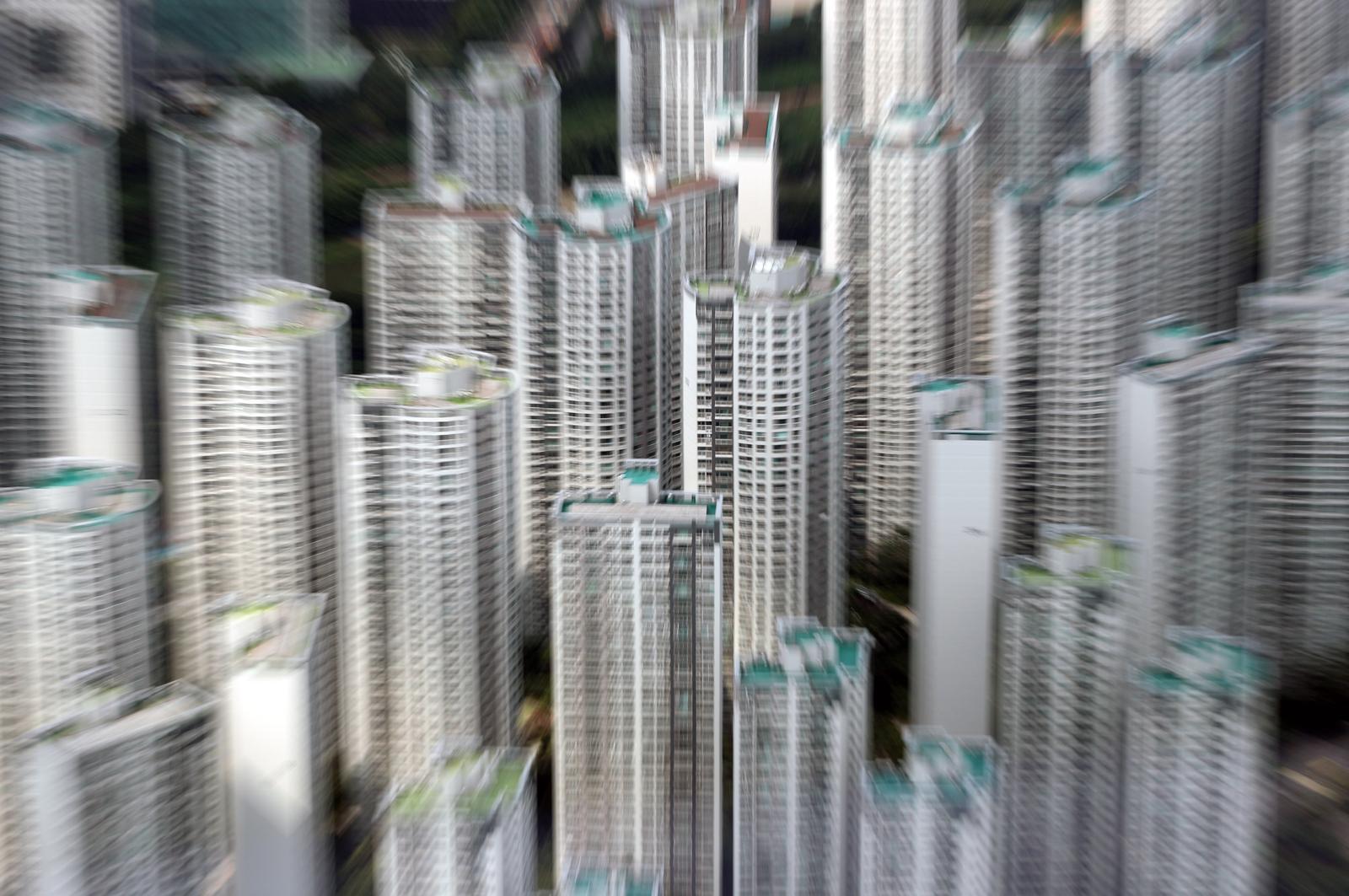
Soaring Prices Slash Housing Subscription Account Holders by 260,000 in Five Months
Translated from Korean, summarized and contextualized by DistantNews.
TLDR
- The number of housing subscription account holders in South Korea decreased by over 260,000 in five months due to soaring apartment prices.
- The majority of those who canceled their accounts (61.4%) resided in the Seoul metropolitan area.
- High pre-sale prices, exceeding affordability for many, and stricter loan regulations are cited as reasons for the decline.
South Korea is witnessing a significant drop in housing subscription account holders, with over 260,000 people canceling their accounts in just five months. This trend, primarily driven by soaring apartment prices and increasingly stringent loan regulations, paints a stark picture of the challenges facing aspiring homeowners in the country.
The data reveals that the decline is most pronounced in the Seoul metropolitan area, where 61.4% of account cancellations occurred. This suggests that the affordability crisis is particularly acute in the capital region, pushing homeownership further out of reach for many residents. The average pre-sale price for apartments in Seoul now hovers around 1.8 billion won (approximately $1.3 million USD), with some expected to exceed 1.6 billion won.
Analysts point to the dual impact of rising construction costs and a tightening of mortgage lending rules. Currently, home loans are capped at 600 million won for apartments under 1.5 billion won and 400 million won for those above 1.5 billion won. This means that prospective buyers of apartments priced over 1.5 billion won must have at least 1.1 billion won in cash, effectively limiting eligibility to the wealthiest segment of the population.
From a South Korean perspective, this situation is deeply concerning. The dream of owning a home, a cornerstone of financial security and social mobility, is becoming increasingly elusive for the average citizen. The government's previous attempts to stabilize the housing market appear to be falling short, as prices continue to outpace wage growth and affordability measures become less effective. This trend could have long-term implications for social equity and economic stability, potentially exacerbating wealth inequality and dampening consumer confidence.
DistantNews Editorial
Originally published by Dong-A Ilbo in Korean. Translated, summarized, and contextualized by our editorial team with added local perspective. Read our editorial standards.
More Stories



From Our Blog

What Gets Lost (and Found) When News Is Translated

The Critical Role of Diaspora Media in Global News

What Travellers Should Know About Countries with Restricted Press

A Digital Nomad's Guide to Following Local News

How the Same Story Looks Different in Different Countries
