


Social media transforms religious learning, but context is key
Translated from Malay, summarized and contextualized by DistantNews.
At a glance
News
Sources not specified
Context piece
- Social media has transformed religious education, making it more accessible but also posing challenges with decontextualized information.
- Experts warn that understanding complex religious issues through short, fragmented videos can distort religious comprehension.
- While social media aids religious outreach and awareness, critical evaluation of sources is crucial due to information overload.
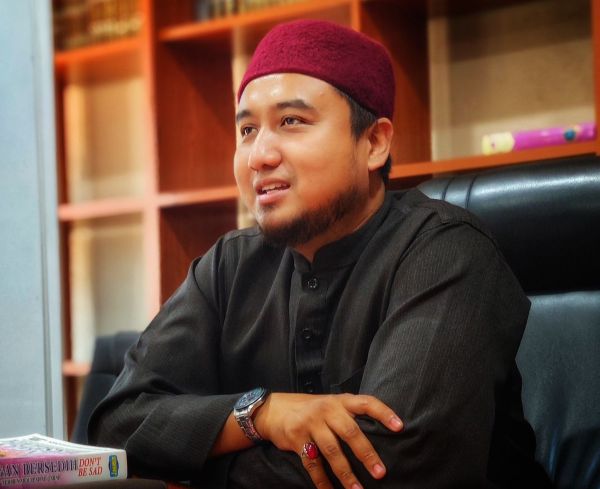
Social media has revolutionized the dissemination of religious knowledge, allowing individuals to access religious studies easily via smartphones. Hanif Haron, chairman of the Darul Hadis Al-Filfilaniyyah Foundation, notes this shift opens vast opportunities for people to engage with religious teachings.
Previously, attending mosques or religious institutions was necessary for learning. Now, thousands of lectures and discussions are available digitally. Hanif acknowledges this has a dual nature: positive access to knowledge, but also the challenge of understanding complex religious topics through short, decontextualized clips. This "instant knowledge" can harm religious understanding if not supplemented by proper learning processes.
In Islamic tradition, religious understanding is built through continuous learning under authoritative guidance, not just information. Hanif stresses the importance of referring to scholars when uncertain. He also recognizes social media's positive impact on Islamic outreach, helping many discover the Quran, Hadith, and other religious sciences through creative digital content. It also bridges the gap between religious institutions and the public, rapidly spreading information about lectures, study sessions, and charitable activities.
However, the sheer volume of religious information online presents a significant challenge. Hanif emphasizes that the ability to evaluate sources is now more critical than the ability to find information. He also notes a trend where social media "preachers" gain authority based on popularity, contrasting with the historical Islamic recognition of scholars based on extensive knowledge, diligent study, and peer acknowledgment. This is particularly concerning for matters of faith (aqidah).
DistantNews Editorial
Originally published by Utusan Malaysia in Malay. Translated, summarized, and contextualized by our editorial team with added local perspective. Read our editorial standards.
More Stories


From Our Blog

What Gets Lost (and Found) When News Is Translated

The Critical Role of Diaspora Media in Global News

What Travellers Should Know About Countries with Restricted Press

A Digital Nomad's Guide to Following Local News

How the Same Story Looks Different in Different Countries
