


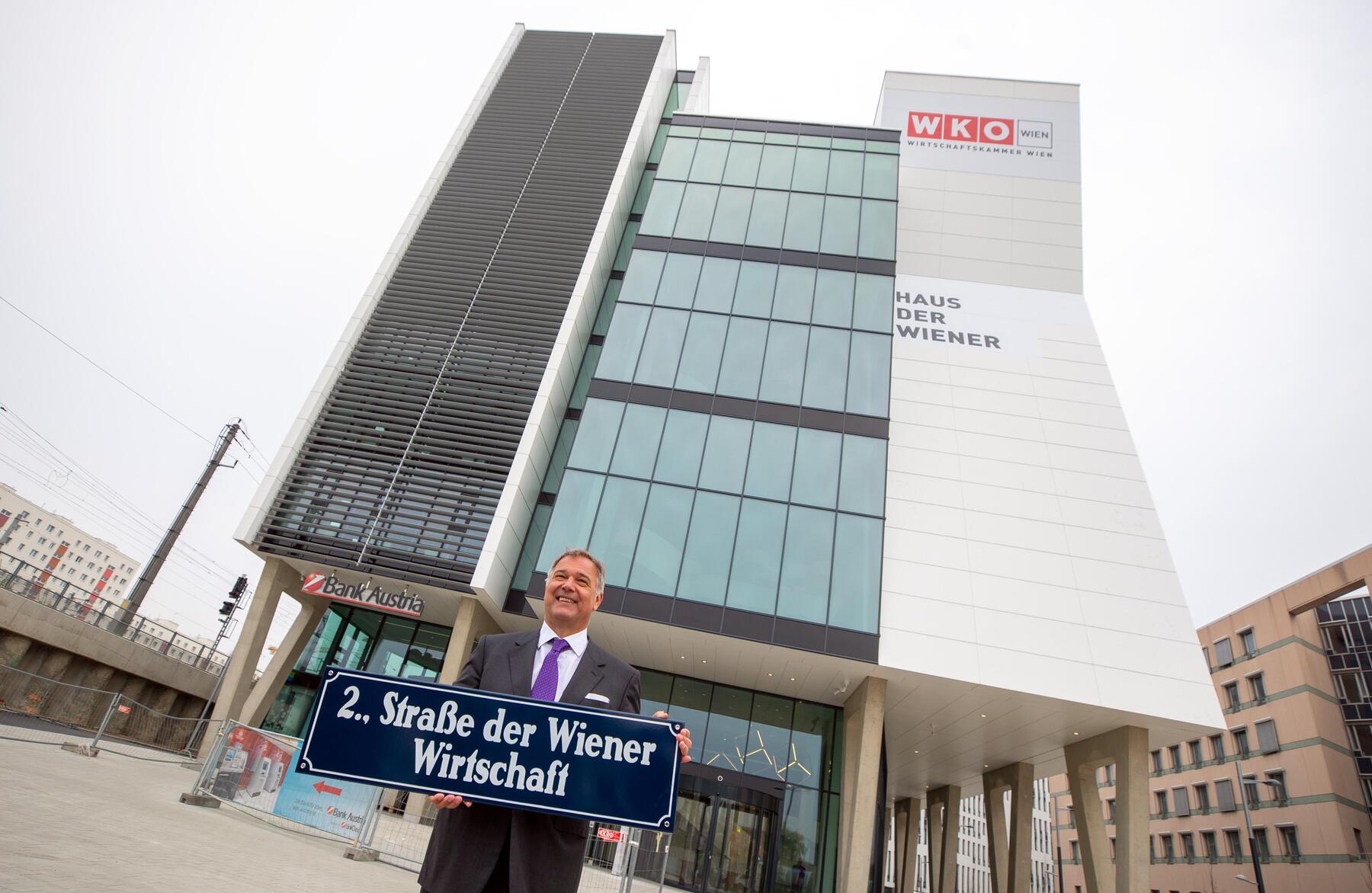
Social Partners: Chamber servants instead of sun kings
Translated from German, summarized and contextualized by DistantNews.
At a glance
Analysis
Sources not specified
Context piece
- The article criticizes the leadership of the Vienna Chamber of Commerce for alleged nepotism, cronyism, and macho behavior.
- It highlights the mandatory membership in Austrian chambers, preventing members from leaving and illustrating the entrenched power of social partners.
- While acknowledging the historical contributions of social partnership, the piece argues that organizations like the Chamber of Agriculture have become mere lobbying groups, and others have drifted into clientelism, hindering reform.
Recent scandals involving nepotism, cronyism, and perceived "macho" behavior at the top of the Vienna Chamber of Commerce have brought to light issues within Austria's social partnership system. The commentary points to incidents where the head of an organization funded by mandatory contributions publicly disparaged a minister and insulted influential members, who, due to compulsory membership, cannot even leave the organization.
This situation exemplifies the significant power wielded by Austria's social partners, primarily the Chamber of Labour, the Austrian Trade Union Federation, the Chamber of Commerce, and the Chamber of Agriculture. Their constitutional entrenchment since 2008 means reforms can only originate internally, as external changes require a two-thirds parliamentary majority, a threshold made difficult by the social partners' substantial representation in parliament.
The article acknowledges that the social partnership model, established in the post-war era for institutionalized compromise between employers and employees, historically benefited Austria significantly. The system's comprehensive coverage of collective labor agreements is also presented as a potential argument for the necessity of mandatory membership.
However, the commentary asserts that these social partner organizations have become overly bureaucratic and primarily function as lobbying entities. The Chamber of Agriculture is singled out for allegedly focusing solely on securing state subsidies for a sector heavily reliant on them. The other three major organizations are accused of drifting into clientelism, effectively acting as significant obstacles to necessary reforms, citing the long-standing debate over shop opening hours as an example.
DistantNews Editorial
Originally published by Die Presse in German. Translated, summarized, and contextualized by our editorial team with added local perspective. Read our editorial standards.
More Stories



From Our Blog

What Gets Lost (and Found) When News Is Translated

The Critical Role of Diaspora Media in Global News

What Travellers Should Know About Countries with Restricted Press

A Digital Nomad's Guide to Following Local News

How the Same Story Looks Different in Different Countries
