


Some Flaunt Their Gains, Others Play the Conspiracy Card: How Parties React to Poll Ratings
Translated from Latvian and summarized by DistantNews. Read the original for the full story.
At a glance
Analysis
Named sources
Context piece
- Latvian party ratings shape not only perceptions of voter sentiment but also the public communications and disputes of political parties.
- Some politicians highlight favorable results, while others question polling credibility or use the figures in public arguments.
- SKDS director Arnis Kaktiņš said ratings could change substantially before the elections and should not be treated as final.
Latvian party ratings have become part of the political contest they are meant to measure. After polls are published, parties use the figures to shape their public messaging and challenge their rivals.
Some politicians quickly emphasize results that favor them. Others question whether the surveys are reliable or turn the ratings into the basis for public disputes, including conspiracy claims.
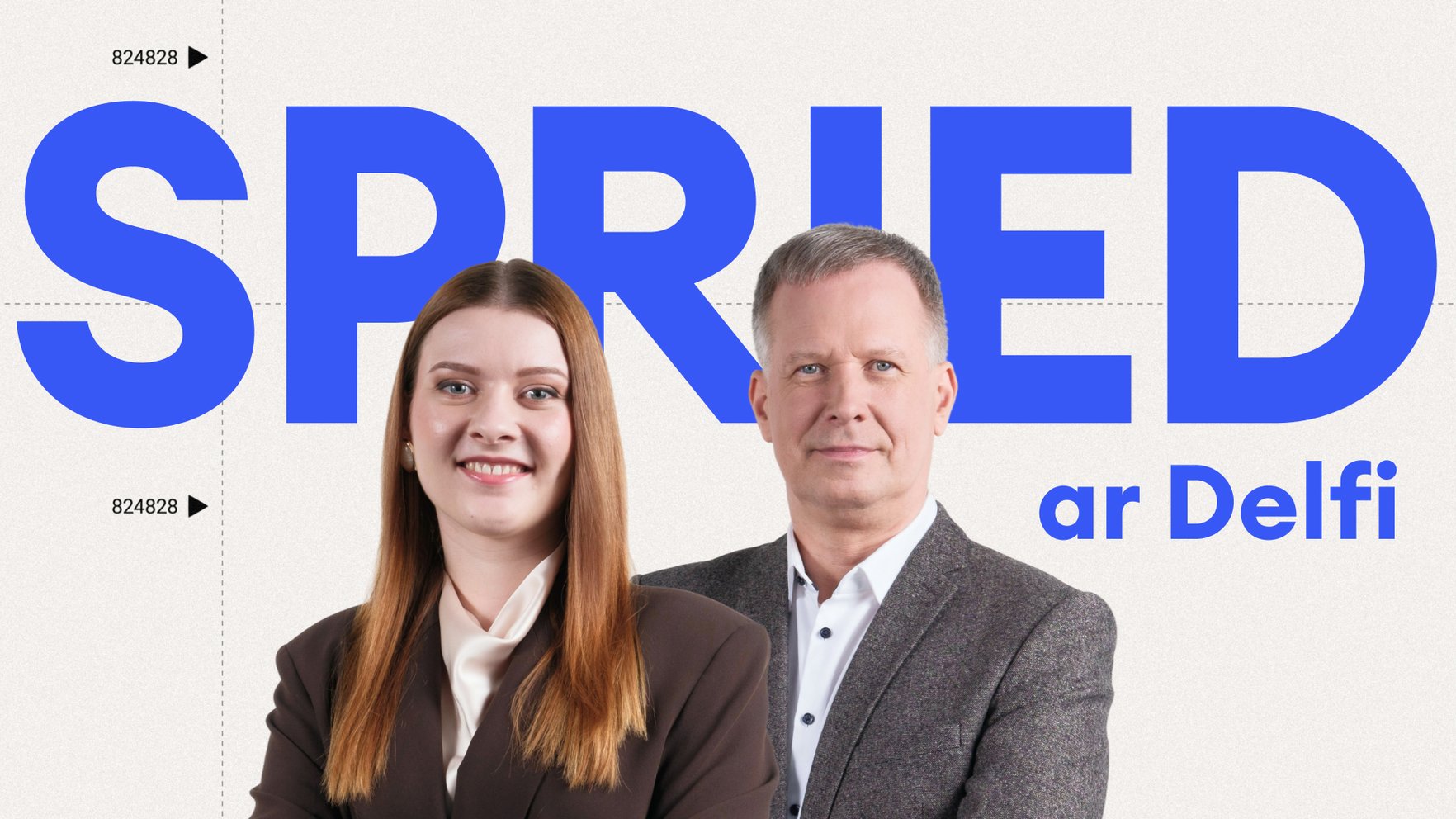
Arnis Kaktiņš, director of the sociological research center SKDS, cautioned that the current numbers are not fixed. Speaking on the program “Discuss with Delfi,” he said substantial changes remain possible before the elections.
The current ratings are by no means set in stone.
About this summary
Originally published by Delfi Latvia in Latvian. Translated, summarized, and contextualized automatically by DistantNews, with a note on how the source frames the story. Not individually reviewed before publishing. How this works.
More Stories



From Our Blog

What Gets Lost (and Found) When News Is Translated

The Critical Role of Diaspora Media in Global News

What Travellers Should Know About Countries with Restricted Press

A Digital Nomad's Guide to Following Local News

How the Same Story Looks Different in Different Countries
