

Son of Viorel Pașca complains about detention conditions: 'We were left without food and medicine. There was no sheet, no pillow, no blanket'
Translated from Romanian, summarized and contextualized by DistantNews.
At a glance
News
Sources not specified
Under investigation
- Sabin Pașca claims he and his family were treated like dangerous criminals during 24 hours in detention following DIICOT searches.
- He alleges they were denied food and medication, and subjected to poor conditions, including sleeping without bedding and enduring smoke-filled rooms.
- Pașca asserts they were presumed innocent and questioned the legality of their treatment under Romanian law.
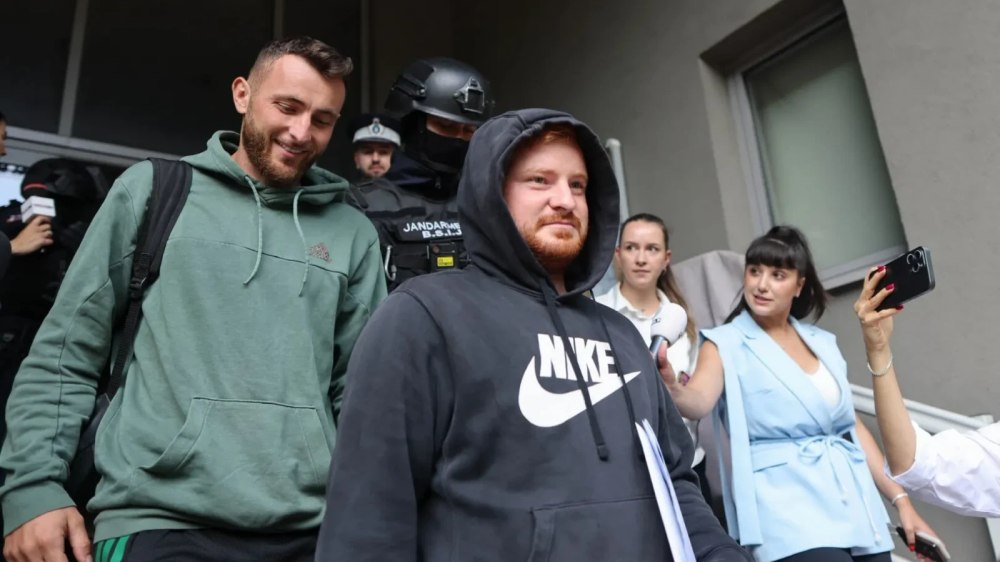
Sabin Pașca, son of Viorel Pașca, has publicly detailed alleged mistreatment during a 24-hour detention period following searches by DIICOT prosecutors at his family's establishments in Bihor county. Pașca claims he and his family members were treated as dangerous criminals, despite not having been definitively convicted at the time.
The Romanian state detained me and my entire family for 24 hours and treated us like the most dangerous criminals, even though we benefited from the presumption of innocence.
In a social media post on Saturday, July 4, Pașca stated, "The Romanian state detained me and my entire family for 24 hours and treated us like the most dangerous criminals, even though we benefited from the presumption of innocence." He emphasized that no final ruling existed against them, yet the treatment made them feel "already condemned, deprived of dignity and the most basic rights."
At that moment there was no final ruling against us and we were not convicted of any offense. In a state of law, any person must be considered innocent until guilt is proven by a final court decision.
Pașca further alleged that his mother, Florica Pașca, was denied her personal medication, which she had for severe headaches, because she lacked a prescription. He found it "unreal" that her necessary medication was taken, and no alternative was provided. Both his mother and Delia Păcală were reportedly housed in rooms where others were smoking, despite their health conditions and Pașca questioning the legality of smoking in detention rooms under Romanian law.
Her medications were taken, and then she was not offered any other medication, on the grounds that she did not have a prescription. It seems unreal to me that a person has exactly the medication they need for pain relief, it is taken from them, and then they receive nothing in return.
He described the conditions as lacking basic necessities, stating they received no food and slept without bed linens, pillows, or blankets. Pașca also highlighted the extreme heat in the rooms, making rest nearly impossible, and questioned the lack of air conditioning. He expressed distress over his mother's situation, knowing her children were in a similar predicament, facing conditions where their right to food and medication was not respected.
Imagine how two women, one of whom is a mother of three children, must have felt, knowing that her children were in a similar situation, in a detention center where their right to receive food or medication was not respected, where there was no air conditioning in each room, and the temperatures were so high that rest became almost impossible.
DistantNews Editorial
Originally published by Adevărul in Romanian. Translated, summarized, and contextualized by our editorial team with added local perspective. Read our editorial standards.
More Stories
From Our Blog

What Gets Lost (and Found) When News Is Translated

The Critical Role of Diaspora Media in Global News

What Travellers Should Know About Countries with Restricted Press

A Digital Nomad's Guide to Following Local News

How the Same Story Looks Different in Different Countries
