


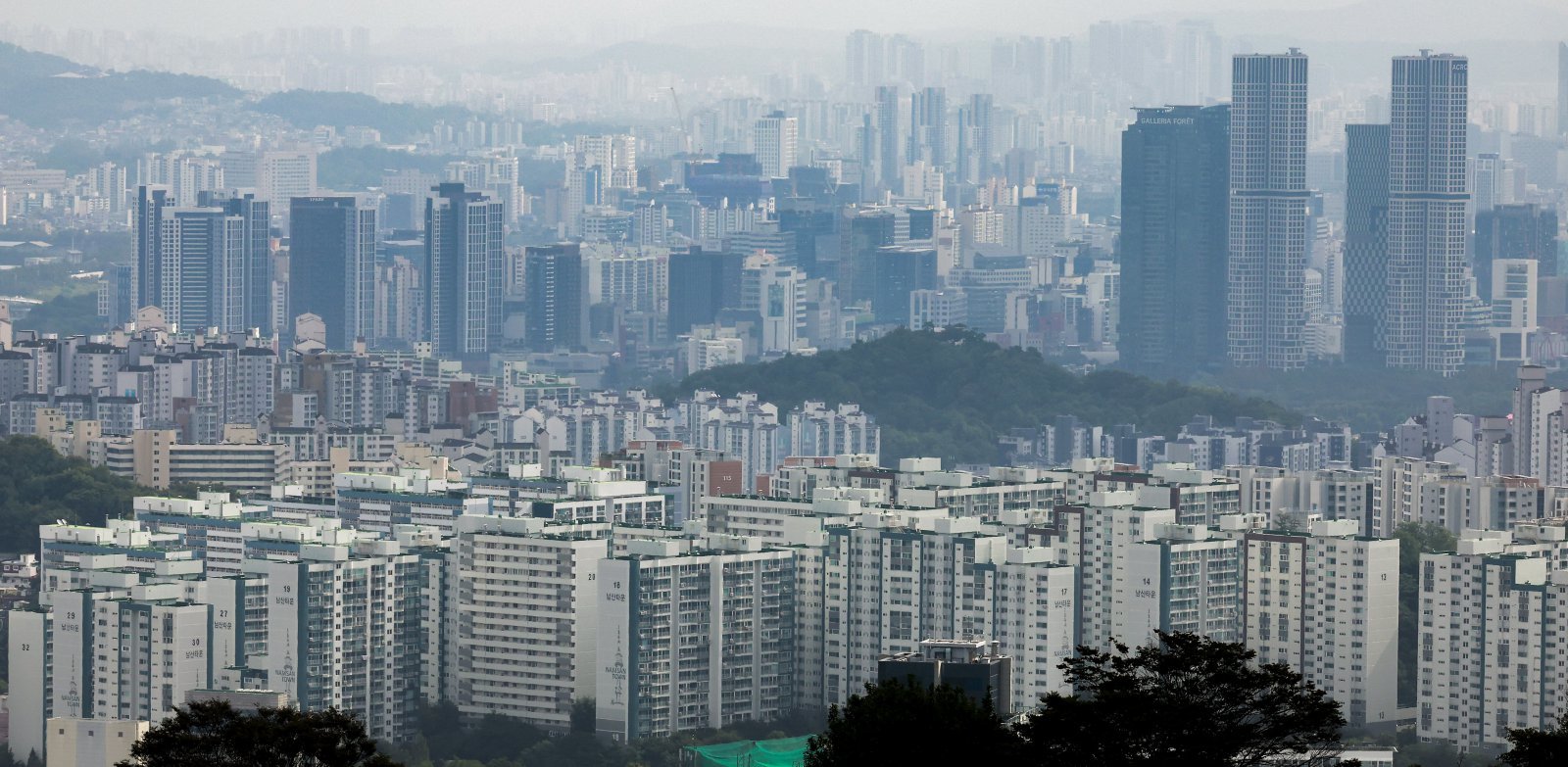
Songpa Apartment Prices Rebound After 9 Weeks as Distressed Sales Subside
Translated from Korean, summarized and contextualized by DistantNews.
TLDR
- Apartment prices in Seoul's Songpa district have risen for the first time in nine weeks, increasing by 0.07%.
- This rebound is attributed to the exhaustion of distressed sales by multi-homeowners ahead of upcoming tax regulations.
- While Songpa saw a rise, the affluent Gangnam and Seocho districts continued to experience a price decline.
The Dong-A Ilbo reports a notable shift in Seoul's real estate landscape, with apartment prices in the Songpa district reversing a months-long decline to register a 0.07% increase in the third week of April. This marks the first positive movement in Songpa in nine weeks, a welcome sign for some homeowners. The rebound is largely seen as a consequence of multi-homeowners liquidating their remaining distressed properties in anticipation of stricter capital gains tax regulations for multiple property holders, which are set to be implemented next month. This selling pressure appears to have subsided, allowing prices to stabilize and begin a modest ascent in certain popular areas within Songpa.
Songpa recorded a 0.07% increase, a rise after a downturn since the fourth week of February (a decrease of 0.03%).
However, the broader picture for Seoul's prime real estate remains mixed. While Songpa shows signs of recovery, the prestigious Gangnam and Seocho districts, often considered bellwethers of the market, continue to see prices dip, recording declines of 0.06% and 0.03% respectively. This divergence suggests that market dynamics are becoming more localized, influenced by factors such as upcoming tax policies and the availability of relatively more affordable properties. Areas with a higher concentration of apartments priced below 1.5 billion won, such as Gangseo-gu (which saw the largest weekly increase at 0.31%) and Gwanak-gu, are experiencing more consistent price growth.
Conversely, Gangnam-gu (-0.06%) and Seocho-gu (-0.03%) continued their weak performance for the ninth consecutive week.
From a South Korean perspective, this nuanced market movement is of significant interest. The Dong-A Ilbo points out that the upcoming tax changes are creating a period of 'wait-and-see' for both buyers and sellers. The Songpa rebound, while positive, is being closely watched to see if it signals a broader market recovery or is merely a temporary effect of the tax-related property sell-offs. The publication notes that while some popular areas are seeing price increases, the overall market sentiment remains cautious, with potential policy changes still looming. This dynamic highlights the complex interplay of government regulation, market psychology, and underlying supply-demand fundamentals that shape Seoul's ever-sensitive housing market.
The rise in prices appears to be due to the exhaustion of distressed sales by multi-homeowners ahead of the implementation of the capital gains tax increase for multiple property holders next month.
DistantNews Editorial
Originally published by Dong-A Ilbo in Korean. Translated, summarized, and contextualized by our editorial team with added local perspective. Read our editorial standards.
More Stories


From Our Blog

What Gets Lost (and Found) When News Is Translated

The Critical Role of Diaspora Media in Global News

What Travellers Should Know About Countries with Restricted Press

A Digital Nomad's Guide to Following Local News

How the Same Story Looks Different in Different Countries
