


Sorry not sorry? John Galliano exhibit at the Met sparks Jewish debate on repentance
Summarized and contextualized by DistantNews.
At a glance
News
Named sources
Context piece
- The Metropolitan Museum of Art's decision to honor designer John Galliano with an exhibition has ignited debate within the Jewish community regarding repentance and redemption.
- Galliano was fired from Dior in 2011 for antisemitic remarks and has since undergone a rehabilitation process, including public apologies and meetings with Jewish leaders.
- The exhibition raises questions about genuine accountability and forgiveness, particularly amid a rise in antisemitism, with Jewish tradition emphasizing a demanding process of acknowledgment and transformation for true repentance.
The Metropolitan Museum of Art faces a complex challenge as it prepares to host a major exhibition celebrating fashion designer John Galliano next spring. The decision to honor Galliano, who was fired as chief designer of Dior 15 years ago for praising Hitler and making antisemitic slurs, has sparked a significant debate within the Jewish community about the nature of repentance and public redemption.
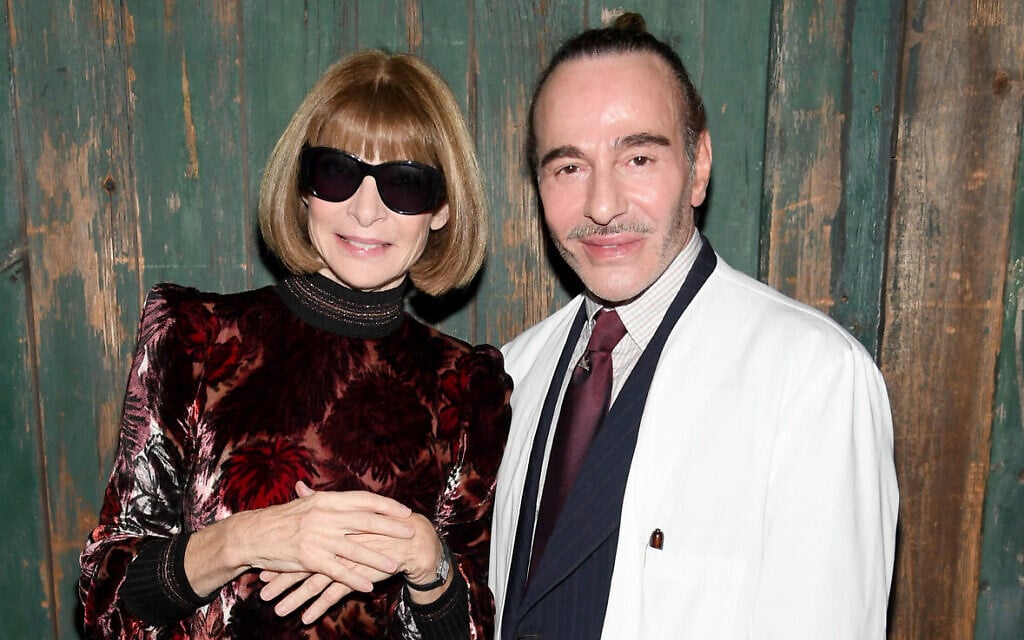
Before announcing the exhibition, the Met convened unusual meetings, including a face-to-face with Galliano and several prominent rabbis, as well as a larger gathering with Vogue editor-in-chief Anna Wintour, museum officials, and Jewish leaders. This collision of high fashion and Jewish tradition reflects the difficulty in balancing the celebration of an influential designer with his notorious past.
The debate touches upon core Jewish concepts of teshuvah, or repentance. Jewish authorities, from Maimonides to Rabbi Jonathan Sacks, have stressed that teshuvah is not a mere apology but a rigorous process of acknowledgment, repair, and transformation. Crucially, forgiveness is not an entitlement for the perpetrator.
teshuvah is not a simple apology or a request for forgiveness. It is a demanding process of acknowledgment, repair and transformation. And crucially, they argue, forgiveness is not something the person who caused harm is entitled to receive on demand.
Galliano's story has been a touchstone for such discussions since 2011, when a video surfaced of him praising Hitler. He was later found guilty in a French court for public insults based on race, religion, or ethnicity and received a suspended fine. Dior fired him, seemingly ending his career.
However, Galliano entered substance abuse treatment and began a long rehabilitation. He issued statements of regret, met with Jewish leaders, and spoke about confronting his own ignorance. In 2013, the Anti-Defamation League acknowledged his "true contrition," suggesting that people can change. He has recently signed a multiyear deal with the fashion brand Zara, further fueling the discussion about his return to the public eye amidst a rise in antisemitism.
true contrition
DistantNews Editorial
Originally published by Times of Israel. Summarized and contextualized by our editorial team with added local perspective. Read our editorial standards.
More Stories



From Our Blog

What Gets Lost (and Found) When News Is Translated

The Critical Role of Diaspora Media in Global News

What Travellers Should Know About Countries with Restricted Press

A Digital Nomad's Guide to Following Local News

How the Same Story Looks Different in Different Countries
