


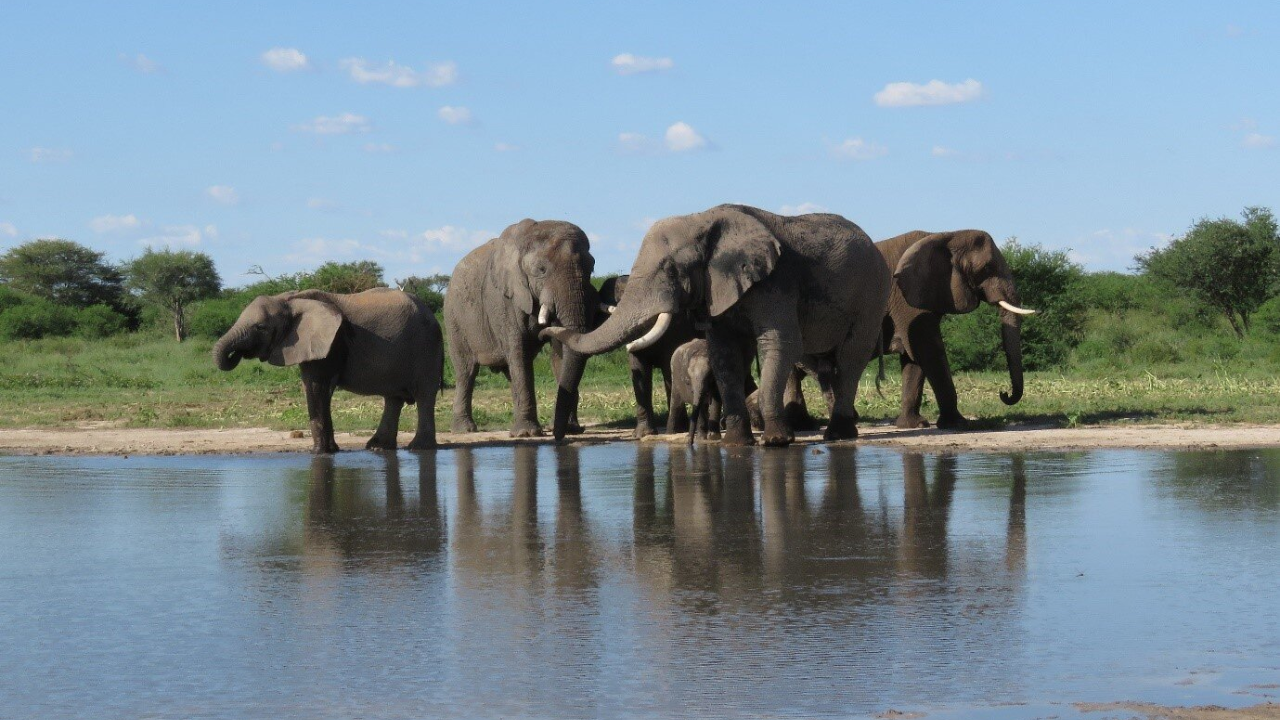
South African elephants released from captivity thrive in wild reserves, study finds
Translated from English, summarized and contextualized by DistantNews.
At a glance
News
Sources not specified
Outcome reported
- Researchers found that 11 elephants released into South African reserves after years in captivity adapted well, exhibiting behavior similar to wild elephants.
- A five-year study observed their behavior and measured stress hormones, revealing only minor differences from wild herds, with all levels within normal ranges.
- The findings suggest that elephants with long-term captivity experience can successfully reintegrate and thrive in natural environments.
South Africa has successfully released 11 elephants that spent years in captivity into protected reserves, with researchers observing their behavior for five years. The study, published in PLOS One, found that these elephants adapted remarkably well to their new environments, showing behavior closely matching that of wild elephant herds.
Their behavior closely matched that of wild elephant herds, providing important evidence that long-term captive elephants can regain their independence and live successfully in the wild.
Researchers from the Elephant Reintegration Trust of South Africa and other institutions tracked the elephants, including adult females, males, and younger females, observing their behavior and measuring stress hormone levels through dung samples. While adult males and younger females showed slightly less attentiveness than their wild counterparts, and adult females and younger females had somewhat higher stress hormone levels, these were within normal ranges for healthy wild populations.
Adult males and younger females that had been rewilded were slightly less attentive to their surroundings than wild elephants.
The study highlights that even after extended periods under human care, elephants can regain independence and thrive in the wild. Individual elephants displayed varying responses, suggesting that personality plays a role in adaptation. This research provides crucial evidence for the successful reintegration of captive elephants into natural habitats.
The hormone tests also showed that adult females and younger females had somewhat higher stress hormone levels than wild elephants. However, the researchers stressed that all hormone levels remained within the normal range seen in healthy wild elephant populations.
DistantNews Editorial
Originally published by Times of India in English. Translated, summarized, and contextualized by our editorial team with added local perspective. Read our editorial standards.
More Stories

From Our Blog

What Press Freedom Means for the News You Read

What Gets Lost (and Found) When News Is Translated

The Critical Role of Diaspora Media in Global News

What Travellers Should Know About Countries with Restricted Press

A Digital Nomad's Guide to Following Local News
