


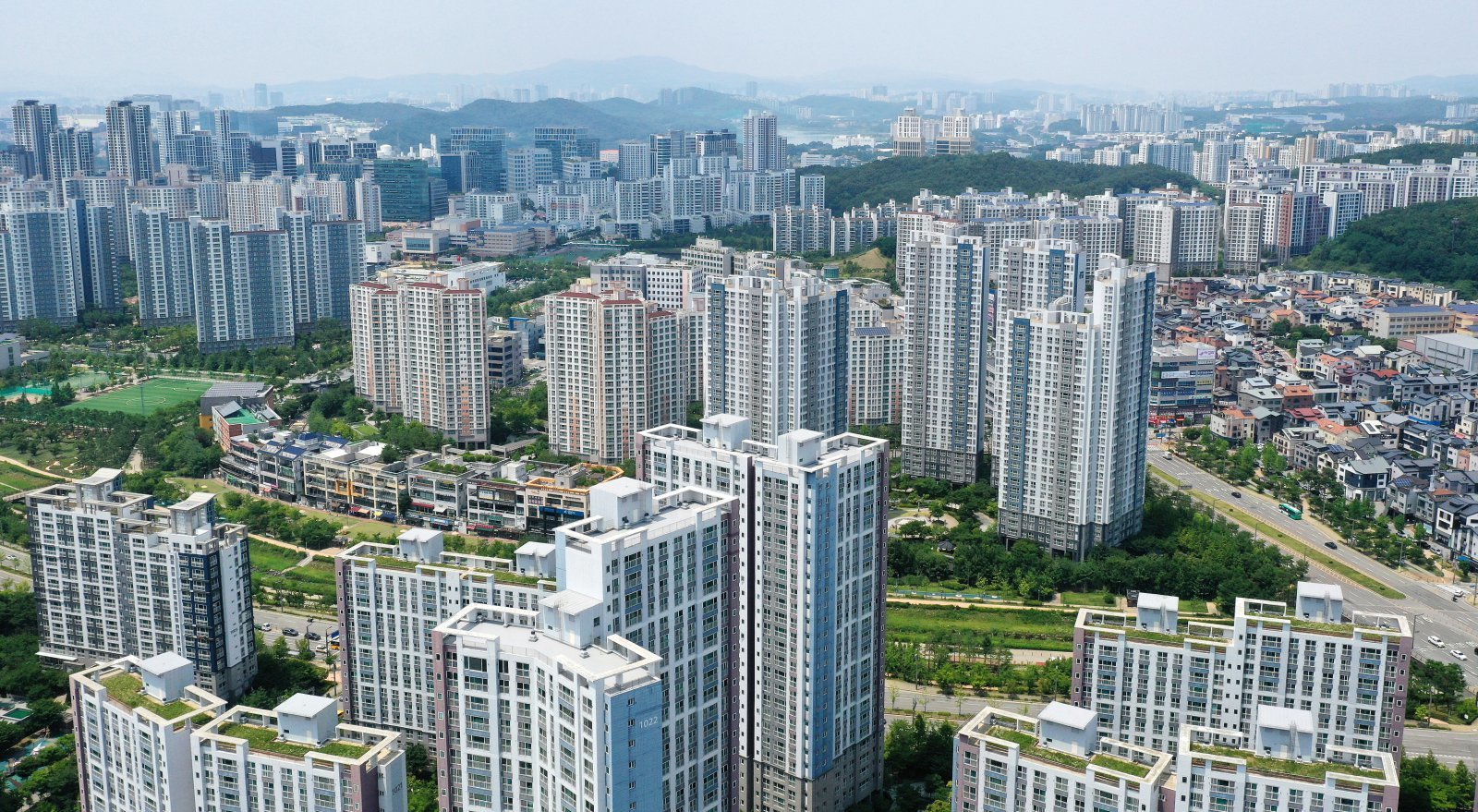
South Korea designates new housing regulation zones amid 'balloon effect' fears
Translated from Korean, summarized and contextualized by DistantNews.
At a glance
News
Documents & data
New plan
- South Korea has designated new regulatory zones in Hwaseong's Dongtan district, Yongin's Giheung district, and Guri city due to rapid housing price increases.
- These areas, previously unregulated, saw a significant surge in real estate transactions after a previous property market measure in October 2023, raising concerns about a "balloon effect" pushing prices into adjacent regions.
- Despite the government's designation, concerns remain about potential spillover effects into neighboring unregulated areas, though the government believes the impact will be limited.
South Korea is implementing new real estate regulations in the Hwaseong Dongtan district, Yongin Giheung district, and the city of Guri, designating them as regulated areas and land transaction permit zones. This move comes in response to sharp increases in housing prices, particularly in Dongtan and Giheung, which have been fueled by expectations of a semiconductor industry boom, and in Guri due to its proximity to Seoul and subway accessibility.
As unregulated areas around Seoul are gradually disappearing, homeowners in this area are also expecting a ripple effect.
These designations follow a pattern observed after the October 2023 property market measures. In the six months from November 2023 to May 2024, over 15 trillion won (approximately $13 billion) was invested in housing purchases in 18 unregulated areas bordering regulated zones in Gyeonggi Province. This figure more than doubled compared to the same period the previous year, indicating a significant "balloon effect" where price controls in one area drive investment and price hikes into others.
The newly designated areas saw particularly dramatic increases: Guri experienced a 329.53% rise in housing purchases, Hwaseong Dongtan saw a 214.96% increase, and Yongin Giheung recorded a 191.82% surge. This substantial growth suggests a strong spillover effect from previous regulations.
Although there aren't many inquiries right now, there has always been steady demand from actual buyers in their 30s and 40s, so it will affect housing prices.
Concerns are now mounting that these new designations could trigger another round of the balloon effect, pushing prices further into adjacent unregulated areas. Real estate agents in areas like Anyang's Manan district, which remains unregulated, report increased interest from homeowners anticipating price benefits. For instance, an 84-square-meter apartment in Anyang, which traded for around 900 million won before the October measures, is now listed at prices tens of millions of won higher.
Considering how far similar demand could spread from Dongtan and Giheung, we do not see a high possibility of it expanding very broadly from now on.
However, the Ministry of Land, Infrastructure, and Transport suggests the balloon effect might be contained. They believe the potential for widespread price increases beyond the immediate vicinity of the newly regulated zones is not high. Meanwhile, homeowners in the newly regulated areas are reportedly withdrawing listings and adopting a wait-and-see approach, anticipating stricter lending rules and increased capital gains taxes for multiple homeowners.
Listings that were being rushed out at prices 70 to 80 million won lower than the asking price yesterday have all been withdrawn today.
DistantNews Editorial
Originally published by Dong-A Ilbo in Korean. Translated, summarized, and contextualized by our editorial team with added local perspective. Read our editorial standards.
More Stories


From Our Blog

What Gets Lost (and Found) When News Is Translated

The Critical Role of Diaspora Media in Global News

What Travellers Should Know About Countries with Restricted Press

A Digital Nomad's Guide to Following Local News

How the Same Story Looks Different in Different Countries
