


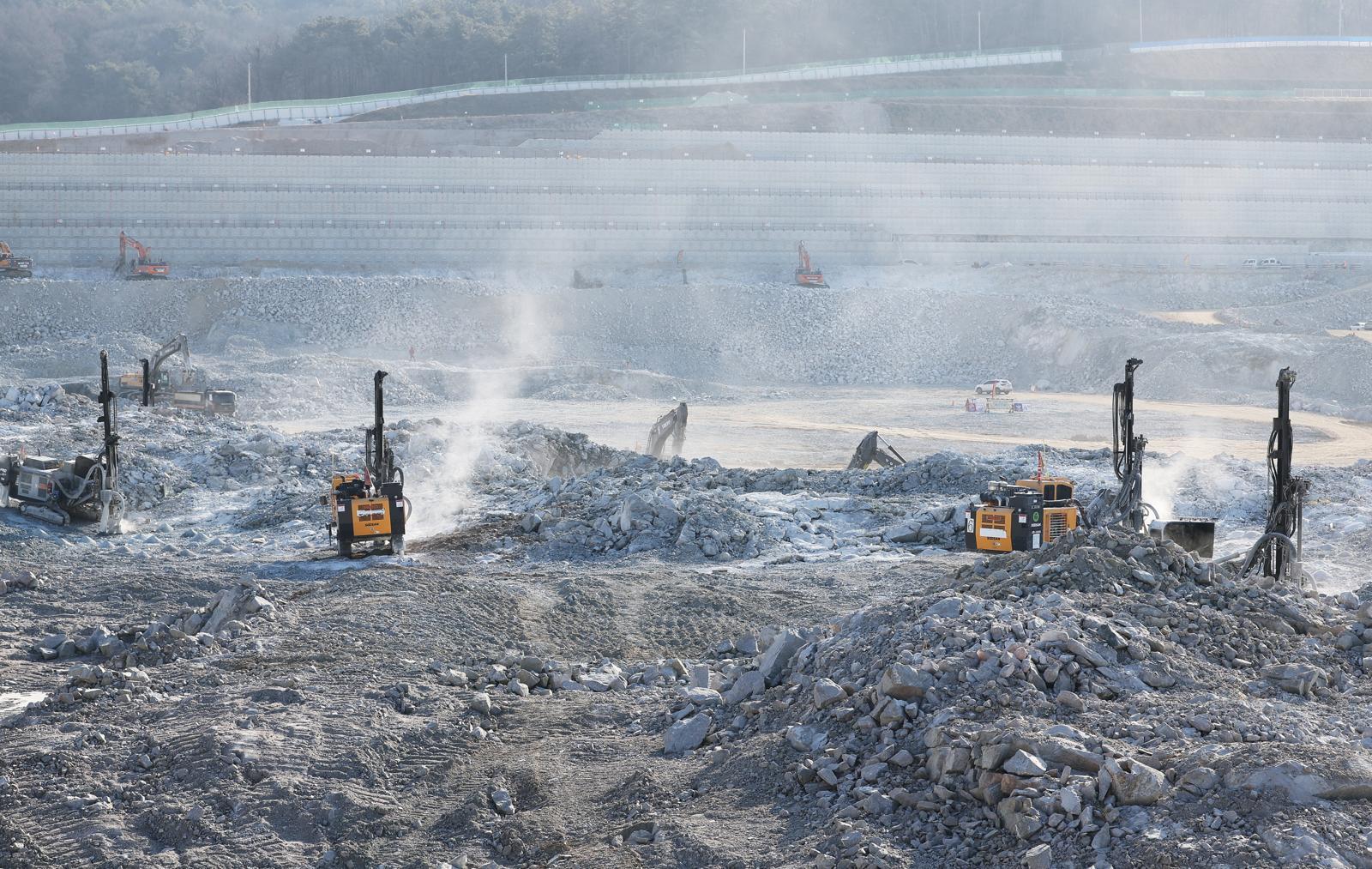
South Korea Eases Rules to Speed Up Factory Expansions, Boost Semiconductor Investment
Translated from Korean, summarized and contextualized by DistantNews.
At a glance
News
Sources not specified
New plan
- South Korea is streamlining regulations to accelerate factory expansions in large industrial complexes like the Yongin Semiconductor Cluster.
- The government aims to boost investment in advanced industries, including semiconductors, by removing regulatory hurdles.
- Changes to building permit procedures are expected to facilitate approximately 2.5 trillion won in early investments.
South Korea is set to ease regulations governing factory expansions within major industrial complexes, a move designed to accelerate investment in critical advanced industries. The Yongin Semiconductor Cluster, a significant industrial zone, will be among the first to benefit from these regulatory reforms.
The government announced a package of measures aimed at streamlining the process for building permits. Currently, expanding existing factory structures requires modifying the original construction permit, often leading to delays. The new approach will allow for separate permits for expansion buildings within industrial complexes of a certain size, thereby speeding up construction and development.
These changes are part of a broader strategy to attract and expedite investments in strategic sectors such as semiconductors, secondary batteries, and biotechnology. The government estimates that these reforms will unlock approximately 4.3 trillion won in project investments. Specifically, the modifications to building permit procedures are projected to facilitate around 2.5 trillion won in early investments.
Further incentives include a tax exemption on donations received by support foundations for materials, components, and equipment testing until 2031. This measure is expected to encourage approximately 800 billion won in semiconductor investments. The plan also includes adding secondary battery recycling to eligible industries for national industrial complexes in Gumi and Pohang, and supporting the expansion of bio-manufacturing facilities in Ochang Science Industrial Complex. Additionally, the government is pursuing legal revisions to specify safety standards for industrial robots and enable the designation of key national industrial complexes as urban innovation zones.
DistantNews Editorial
Originally published by Dong-A Ilbo in Korean. Translated, summarized, and contextualized by our editorial team with added local perspective. Read our editorial standards.
More Stories


From Our Blog

What Gets Lost (and Found) When News Is Translated

The Critical Role of Diaspora Media in Global News

What Travellers Should Know About Countries with Restricted Press

A Digital Nomad's Guide to Following Local News

How the Same Story Looks Different in Different Countries
