


South Korea Embraces 24-Hour Currency Trading Amidst Dealer Concerns
Translated from English, summarized and contextualized by DistantNews.
At a glance
News
Named sources
New plan
- South Korea is shifting its currency market to a 24-hour trading cycle starting July 6, a move described as daunting by veteran traders.
- The transition aims to meet requirements for MSCI's "developed market" designation, enhancing the country's global investor profile.
- Concerns exist about potential liquidity gaps and price volatility due to the extended trading hours, despite new safeguards.
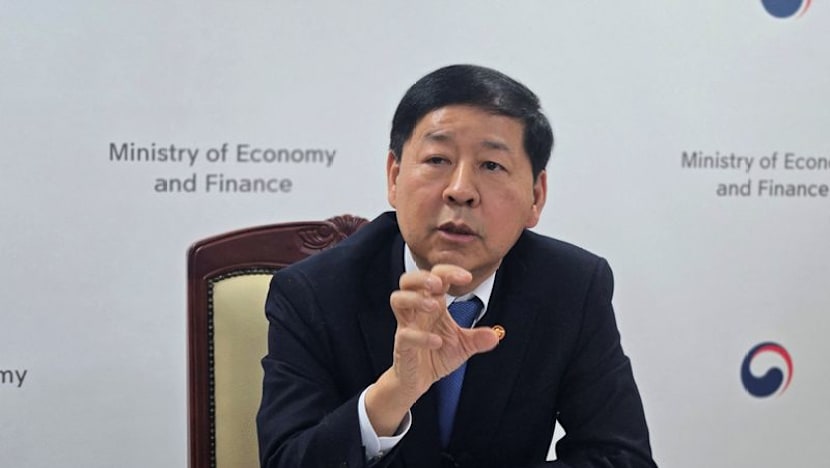
South Korea's currency market is set to undergo a significant transformation as it transitions to a 24-hour trading cycle, commencing July 6. Banks have been trialing the new system since Monday, a move that veteran currency traders like Namkoong Taehun, with 18 years of experience in Seoul, find "daunting."
This shift represents a dismantling of safeguards that have been in place since the won's collapse during the 1997 Asian Financial Crisis. Namkoong, part of Hana Bank's 37-member FX trading team, recalled the market's former "9-to-3 game" with a handful of institutions, contrasting it with today's exponentially expanded market. He anticipates a significant increase in workload due to heightened demand for won assets.
When I first came to the market, it was a 9-to-3 game. You could count the participating financial institutions on one hand.
The primary driver behind this liberalization is South Korea's pursuit of index provider MSCI's coveted "developed market" designation. Achieving this status is crucial for raising the country's profile among global investors. However, the move to an "always-on" won carries inherent risks, particularly concerning the currency's vulnerability to thin liquidity.
Now, the market has expanded exponentially. I'm seeing a significant increase in demand for won assets based on the many financial institutions that are inquiring about them. We are afraid that our workload will increase significantly.
With the won currently languishing near a 17-year low against the dollar, pockets of low liquidity could amplify modest trading flows into disproportionately large price swings. Ironically, the benchmark KOSPI share index's doubling this year has reinforced won weakness, as overseas funds book profits or rebalance portfolios, leading to record selling. Simultaneously, South Korean investors are showing an unprecedented appetite for U.S. equities.
To mitigate risks such as liquidity gaps and trading disruptions, reforms include allowing offshore investors to hold and trade the currency directly, establishing an offshore won settlement system, and implementing an overdraft policy. Previously, foreign institutions could only convert money, but the new system will enable them to directly hold and utilize the won, streamlining business operations and reducing costs associated with managing overnight won exposure.
Previously, foreign financial institutions were only able to convert money, but through the offshore won settlement system, they will be able to directly hold and utilize the won.
DistantNews Editorial
Originally published by CNA in English. Translated, summarized, and contextualized by our editorial team with added local perspective. Read our editorial standards.
More Stories
From Our Blog

What Gets Lost (and Found) When News Is Translated

The Critical Role of Diaspora Media in Global News

What Travellers Should Know About Countries with Restricted Press

A Digital Nomad's Guide to Following Local News

How the Same Story Looks Different in Different Countries
