


South Korea Expands Grounds for Dismissing Prosecutorial Indictments
Translated from Korean, summarized and contextualized by DistantNews.
At a glance
News
Sources not specified
New plan
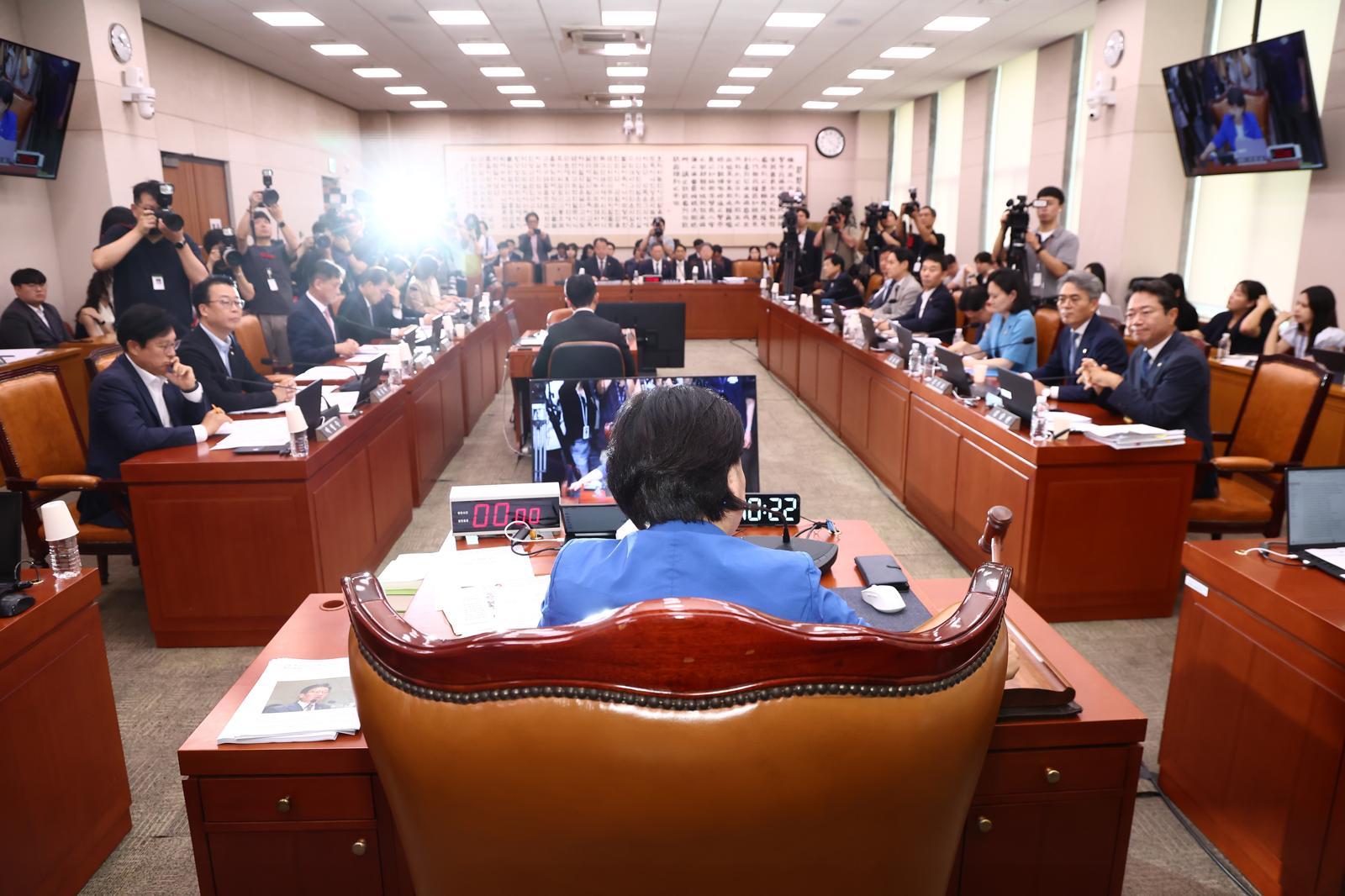
- A proposed amendment to South Korea's Criminal Procedure Act, passed by the Justice and Legal Affairs Committee, expands grounds for dismissing indictments.
- The amendment includes new reasons for dismissal, such as indictments based on serious illegal investigations or those that significantly deviate from prosecutorial discretion.
- The ruling party aims to pass the bill in a plenary session soon, which would also clarify prosecutors' duty to maintain objectivity and neutrality.
South Korea's ruling party has advanced a significant amendment to the Criminal Procedure Act, expanding the conditions under which prosecutors' indictments can be dismissed. The bill, which passed the Justice and Legal Affairs Committee despite the opposition party's withdrawal, introduces new grounds for dismissal, notably including cases where indictments stem from "serious illegal investigations" or "prosecutorial discretion that is significantly deviated from."
The current law, Article 327 of the Criminal Procedure Act, allows for dismissal only in limited circumstances, such as when the court lacks jurisdiction or when the indictment process is fundamentally flawed. The proposed changes aim to provide a stronger check on prosecutorial power, ensuring that legal proceedings are initiated through legitimate and proportionate means.
Furthermore, the amendment seeks to codify the prosecutor's obligation to uphold objectivity and neutrality throughout the indictment and prosecution process. It mandates that prosecutors must take necessary measures for the benefit of both the suspect and the defendant, thereby aiming for a more balanced and fair justice system.
The Democratic Party, leading the charge, plans to push for the bill's passage in a plenary session of the National Assembly as early as July 30. If enacted, the changes could significantly alter the landscape of criminal investigations and prosecutions in South Korea, particularly concerning the scope of prosecutorial reinvestigation powers.
Prosecutors must maintain objectivity and neutrality in the process of indictment and prosecution, and take necessary measures for the benefit of the suspect and the defendant.
DistantNews Editorial
Originally published by Dong-A Ilbo in Korean. Translated, summarized, and contextualized by our editorial team with added local perspective. Read our editorial standards.
More Stories
From Our Blog

What Gets Lost (and Found) When News Is Translated

The Critical Role of Diaspora Media in Global News

What Travellers Should Know About Countries with Restricted Press

A Digital Nomad's Guide to Following Local News

How the Same Story Looks Different in Different Countries
