


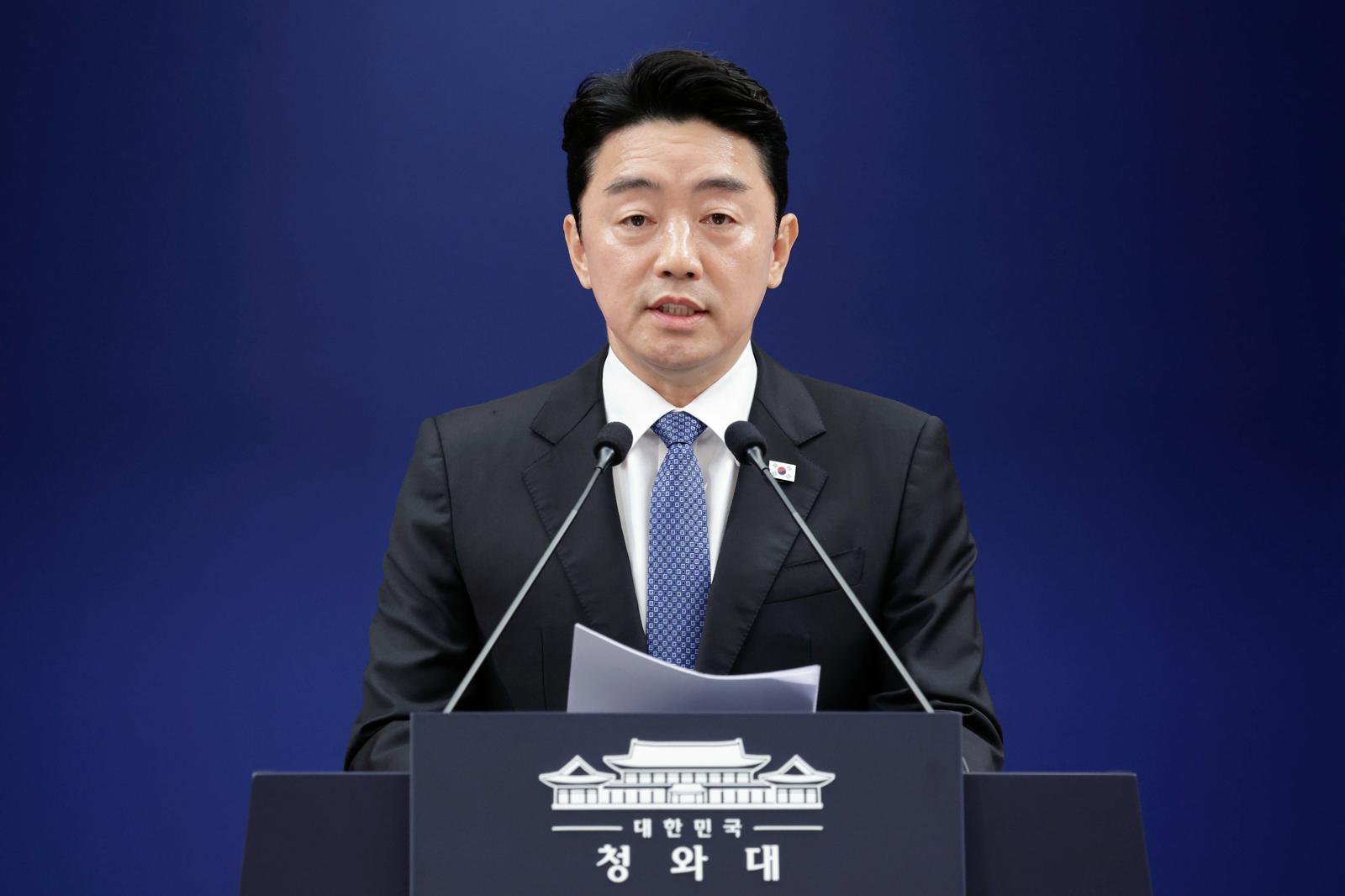
South Korea eyes new fund for future growth using semiconductor tax windfall
Translated from Korean, summarized and contextualized by DistantNews.
At a glance
News
Sources not specified
New plan
- South Korean presidential aide Kang Hoon-sik proposed establishing a new fund for future investments using surplus tax revenue from the semiconductor industry.
- The fund would support major growth projects, address economic polarization, and aid young people with housing and job opportunities.
- This initiative aims to secure South Korea's future growth engines amidst global competition in fields like artificial intelligence.
South Korea is exploring a novel approach to future-proofing its economy by leveraging a boom in the semiconductor industry. Presidential aide Kang Hoon-sik announced plans to create a "future response fund" using surplus tax revenue, a move aimed at strategic investments for the nation's long-term growth.
The government intends to promote the establishment of a future response fund to utilize additional tax revenue as investment resources for future generations.
The proposed fund would channel resources into "three mega projects" critical for South Korea's future, particularly in the rapidly evolving field of artificial intelligence. Kang emphasized that this is not just about short-term gains but about securing the country's competitive edge for the next 20 to 30 years.
Beyond high-tech initiatives, the fund also intends to tackle the "K-shaped polarization" in the economy, a term suggesting a widening gap between different economic groups. Additionally, it will support young Koreans through housing, startup, and job creation programs, addressing the needs of the 2030 generation.
We must not carelessly spend the additional tax revenue generated by the semiconductor boom during this critical period that will determine South Korea's future.
Kang stressed the urgency of these investments, stating that the additional revenue from the semiconductor upswing must be used wisely. The plan signals a proactive stance by the government to adapt to global technological shifts and ensure sustained national development.
The three mega projects are about designing new growth engines that will determine South Korea's future for the next 20 to 30 years, as the world races to compete in the AI revolution.
DistantNews Editorial
Originally published by Dong-A Ilbo in Korean. Translated, summarized, and contextualized by our editorial team with added local perspective. Read our editorial standards.
More Stories



From Our Blog

What Gets Lost (and Found) When News Is Translated

The Critical Role of Diaspora Media in Global News

What Travellers Should Know About Countries with Restricted Press

A Digital Nomad's Guide to Following Local News

How the Same Story Looks Different in Different Countries
