


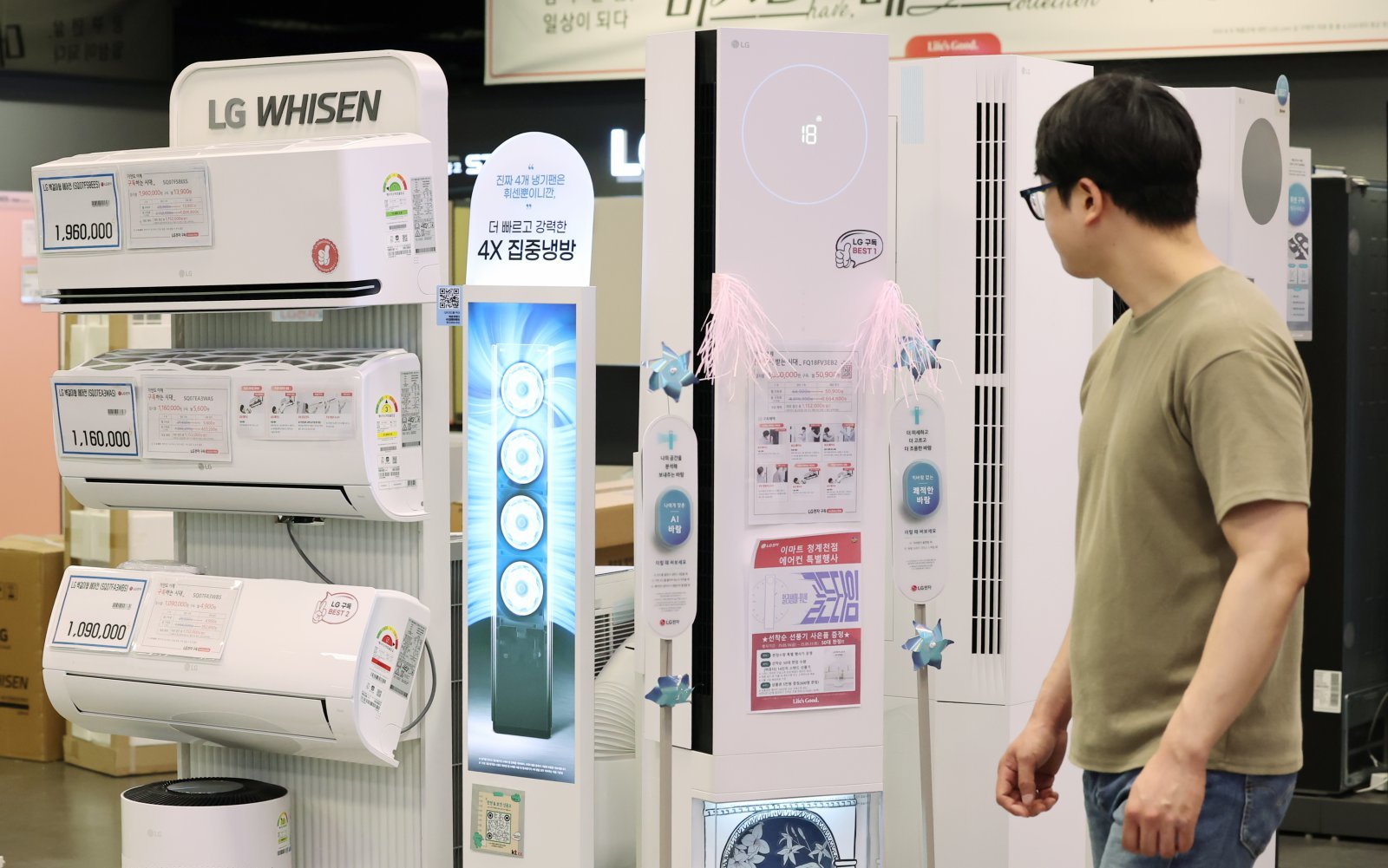
South Korea Eyes Resurrecting Electricity Price Cap Amid Middle East Oil Shock
Translated from Korean, summarized and contextualized by DistantNews.
TLDR
- South Korea is considering reintroducing a cap on the wholesale electricity price (SMP) due to rising global oil and LNG prices, driven by Middle East tensions.
- The potential reintroduction of the SMP cap aims to mitigate the financial burden on Korea Electric Power Corporation (KEPCO) and control electricity costs, especially with summer cooling demand approaching.
- While the government is cautious, market participants anticipate potential intervention to manage price volatility, though concerns about market distortion and reduced private investment remain.
The escalating tensions in the Middle East have sent shockwaves through global energy markets, and South Korea is not immune. The specter of rising oil and liquefied natural gas (LNG) prices looms large, threatening to exacerbate the financial woes of our national utility, Korea Electric Power Corporation (KEPCO).
Currently, there are no specific plans for introduction.
This precarious situation has brought the controversial SMP (System Marginal Price) cap back into the spotlight. For those of us closely watching the energy sector, this policy is a double-edged sword. On one hand, it offers a potential lifeline to KEPCO, which has been struggling under the weight of its deficits. By capping the wholesale electricity price, the government could prevent a scenario where KEPCO is forced to buy expensive energy and sell it at a loss, a situation that has become increasingly common.
On the other hand, the reintroduction of an SMP cap raises serious concerns among private power producers. This mechanism, which was temporarily implemented during the Russia-Ukraine war, could stifle their profitability and investment incentives. We must also consider the potential impact on renewable energy projects, as their revenue streams are often tied to the SMP. It's a delicate balancing act: protecting consumers and the national utility without undermining the market's long-term health and growth.
It is difficult to see the rise in fuel costs as directly leading to a surge in SMP.
While the government has expressed caution, stating no concrete plans for reintroducing the cap, the market's unease is palpable. The unique structure of South Korea's energy market, with a significant portion of KEPCO's power purchases secured through long-term LNG contracts and a reliance on stable sources like nuclear and coal, offers some buffer. However, the rapid increase in fuel costs and the anticipated surge in summer electricity demand could force the government's hand. The debate highlights a fundamental tension: the need for market intervention versus the risks of market distortion, a discussion that resonates deeply within our national economic strategy.
In the end, a policy decision will be inevitable between raising electricity rates and market intervention.
DistantNews Editorial
Originally published by Dong-A Ilbo in Korean. Translated, summarized, and contextualized by our editorial team with added local perspective. Read our editorial standards.
More Stories

From Our Blog

What Gets Lost (and Found) When News Is Translated

The Critical Role of Diaspora Media in Global News

What Travellers Should Know About Countries with Restricted Press

A Digital Nomad's Guide to Following Local News

How the Same Story Looks Different in Different Countries
