



South Korea faces dual weather threats: floods in center, heatwave in south
Translated from Korean, summarized and contextualized by DistantNews.
At a glance
News
Sources not specified
Ongoing story
- Heavy rainfall in South Korea's central regions caused flooding and damage, while southern areas experienced heatwave warnings.
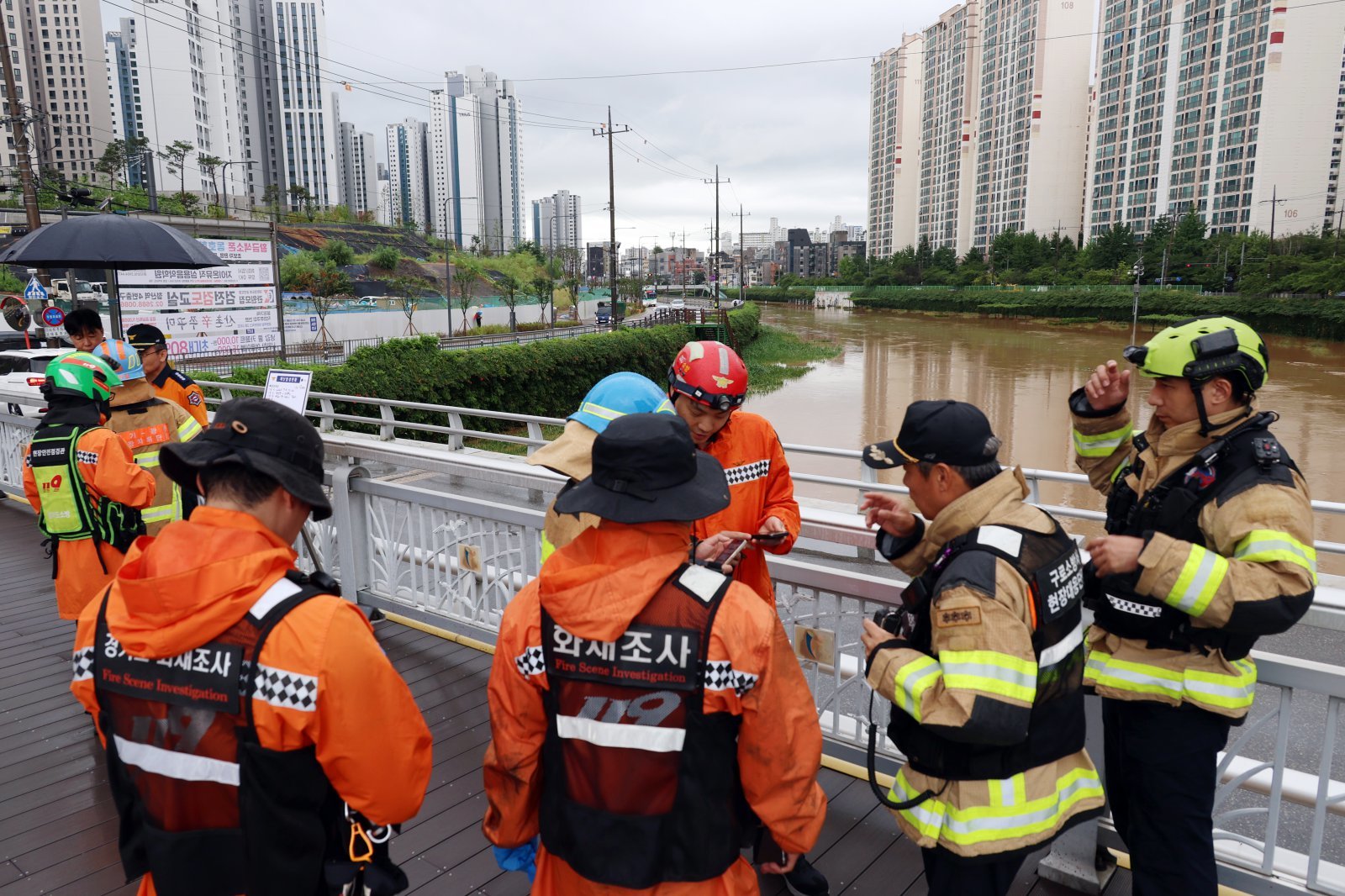
- Authorities rescued two people stranded by floods in Inje-gun, Gangwon Province.
- The weather forecast predicts continued rain with thunderstorms in some central and southern areas, urging caution against landslides and flooding.
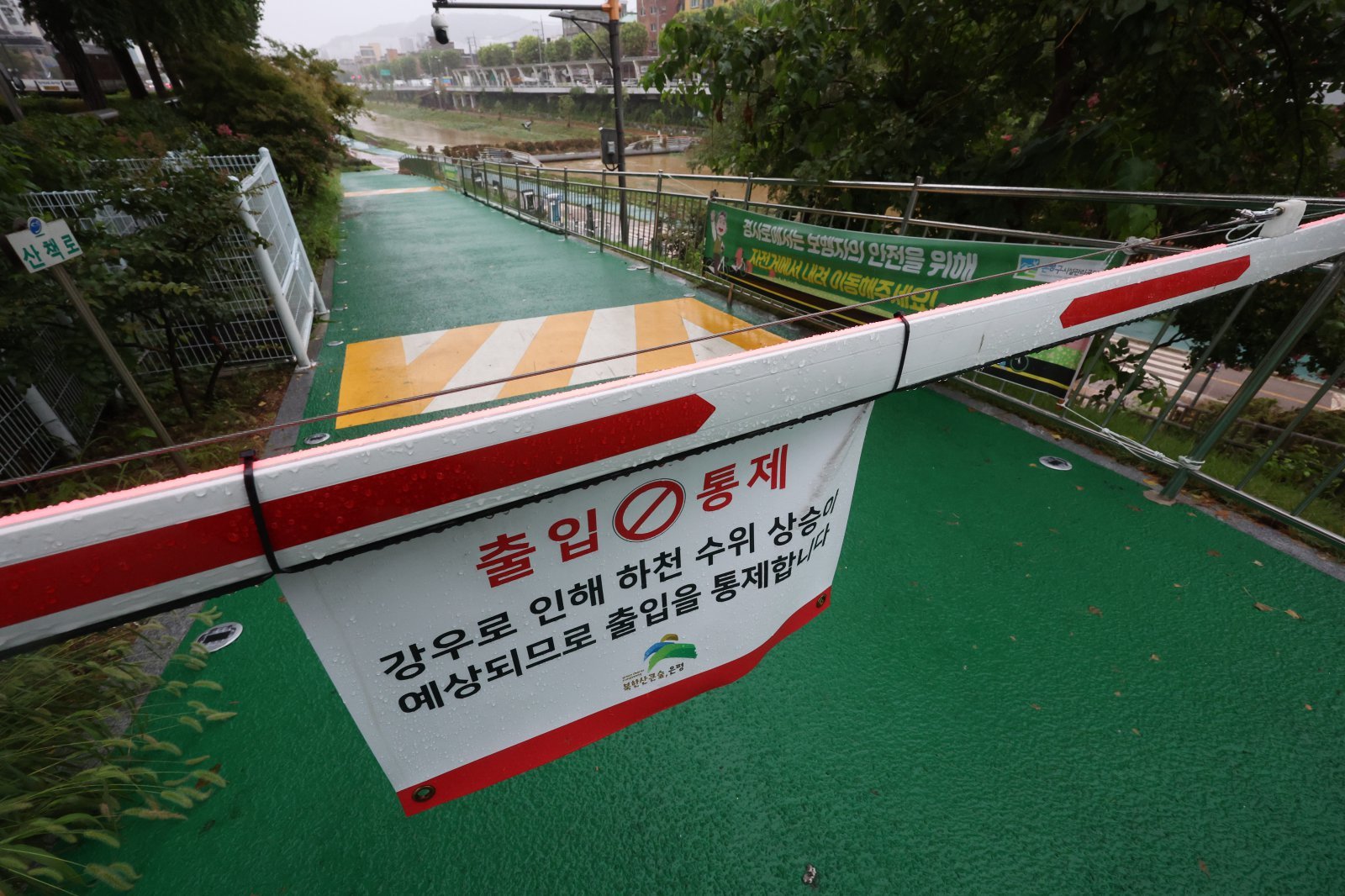
South Korea is experiencing a stark weather contrast, with heavy rainfall causing damage in its central regions while southern areas grapple with a severe heatwave. As of June 18, flood advisories were lifted for the Seoul metropolitan area and Gangwon Province after days of downpours, but the nation remains on alert for further weather-related hazards.
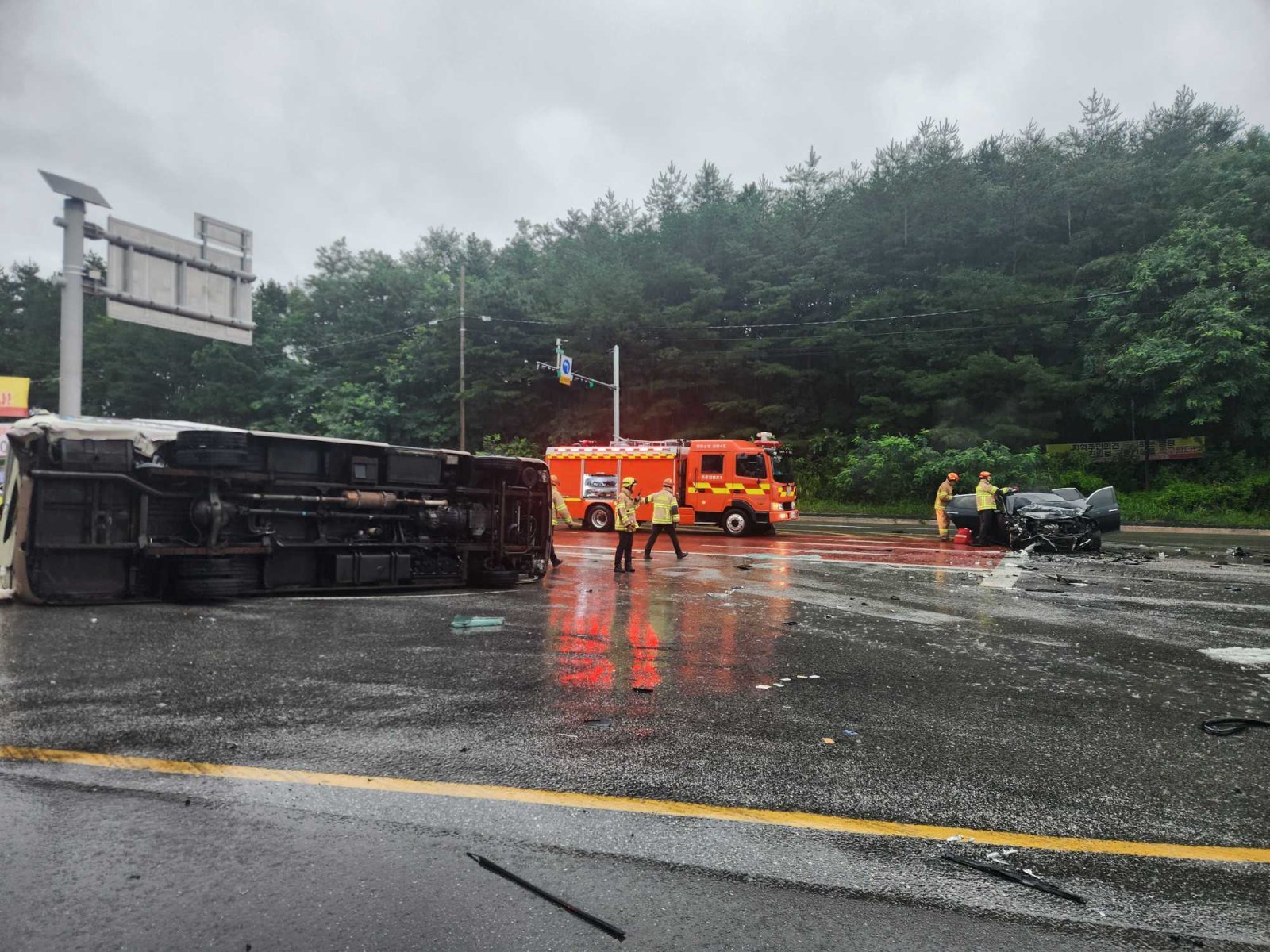
The heavy rains, which began on June 17, brought between 30 to 200 millimeters of precipitation to various parts of the country, including the capital region, Chungcheong, and Gyeongbuk. The downpours led to over 500 incidents of damage, including flooded homes and roads, and fallen trees. Fortunately, no casualties have been reported so far.
Amidst the lingering threat of rain, a heatwave has intensified in the southern half of the country. By the afternoon of June 18, heatwave warnings were issued for Jeju Island's eastern Seogwipo city, as well as parts of Jeonnam, Jeonbuk, Gyeongnam, Gyeongbuk, Busan, Daegu, and Ulsan. Tropical night advisories were also put in place for areas like Gwangyang and Suncheon in Jeonnam, and parts of Jeju Island.
The Korea Meteorological Administration forecasts that a stationary front and a low-pressure system will continue to bring rain to the entire country until June 20. While a temporary lull was expected on June 18, heavier rain, accompanied by thunderstorms and strong winds, is anticipated to return to central regions and parts of Jeonbuk and Gyeongbuk from the evening. Authorities are urging the public to exercise extreme caution regarding potential safety hazards such as landslides and flooding in low-lying areas.
DistantNews Editorial
Originally published by Hankyoreh in Korean. Translated, summarized, and contextualized by our editorial team with added local perspective. Read our editorial standards.
More Stories
From Our Blog

What Gets Lost (and Found) When News Is Translated

The Critical Role of Diaspora Media in Global News

What Travellers Should Know About Countries with Restricted Press

A Digital Nomad's Guide to Following Local News

How the Same Story Looks Different in Different Countries
