



South Korea Floods: 264 Evacuated as Landslide Alert Raised
Translated from Korean, summarized and contextualized by DistantNews.
At a glance
News
Official statement
Ongoing story
- Heavy rainfall across South Korea has caused widespread flooding and landslides, forcing the evacuation of 264 people.
- Authorities have raised the landslide risk alert to 'caution' in the Gyeongbuk region due to continued heavy rain.
- While air and rail transport remain operational, ferry services on six routes are suspended, and several national park routes and roads are closed.
Torrential rains have battered South Korea since July 17, leading to significant flooding and landslides. As of the morning of July 19, no casualties were reported, but the situation remains precarious. The Korea Forest Service elevated the landslide risk alert in the Gyeongbuk region from 'attention' to 'caution' as more rain is forecast.
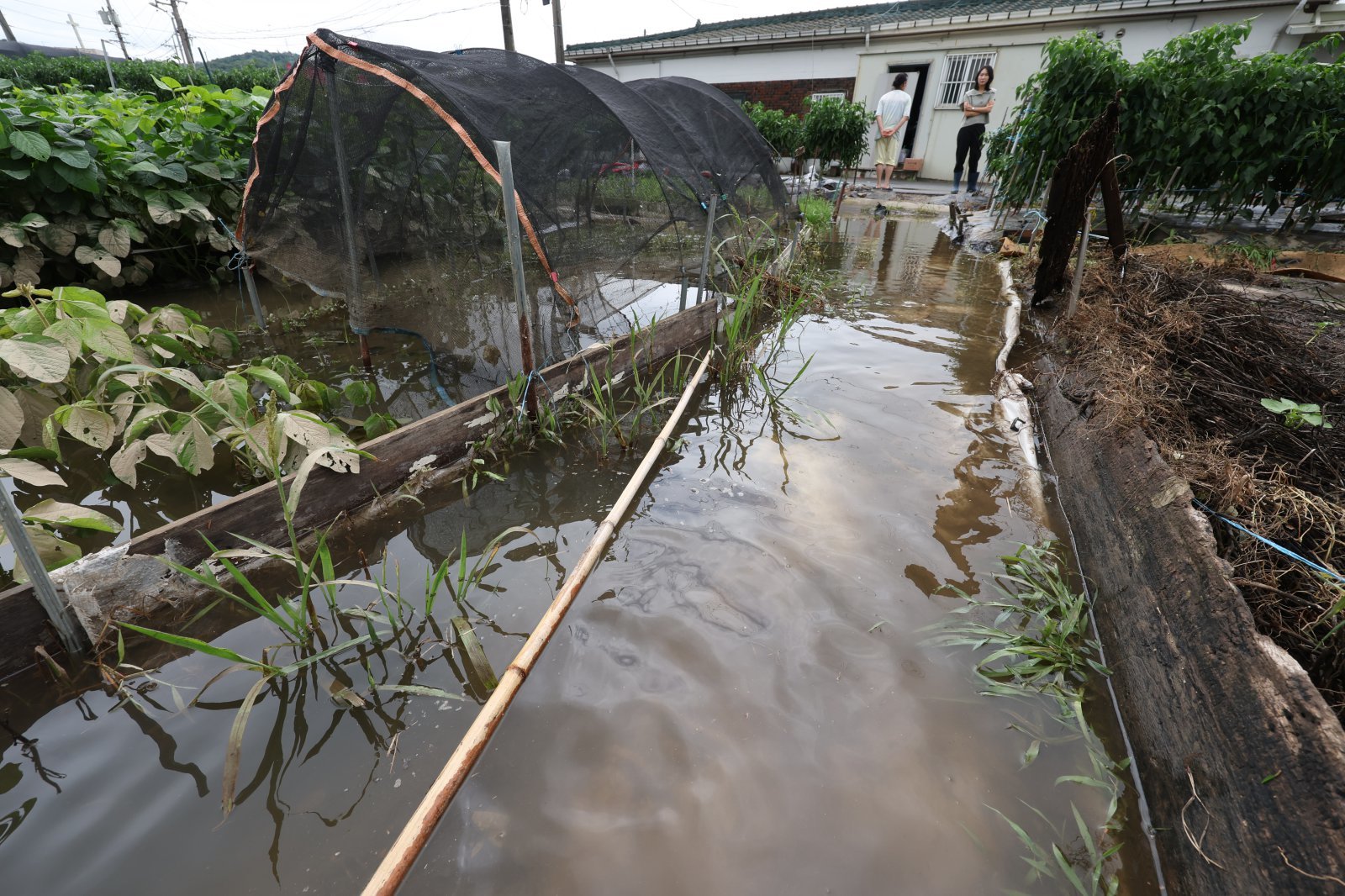
Central Disaster and Safety Countermeasures Headquarters reported 793 cases of facility damage, including flooded homes and roads, and soil erosion. In Gimcheon, Gyeongbuk Province, three hectares of farmland were submerged. Evacuations were ordered in six regions, Daegu, Sejong, Gyeonggi, Chungbuk, Chungnam, and Gyeongbuk, affecting 264 people from 192 households. Of these, 190 people from 142 households have not yet returned home.
Accumulated rainfall totals by July 19 morning included 197.5 mm in Paju, Gyeonggi Province, and 195.5 mm in Dongducheon. Andong in Gyeongbuk Province experienced a downpour of 65.5 mm in just one hour. While flights and trains are running normally, ferry services to islands like Baengnyeong and Yeonpyeong are suspended. Road and park closures are also in effect.
The forecast indicates continued rain, with some areas experiencing up to 20 mm per hour. The Gyeongbuk region is expected to see more rain until the evening of July 19, with other areas experiencing the seasonal downpour until the morning. The elevated landslide alert in Gyeongbuk reflects the high risk of landslides, particularly as the region anticipates an additional 30 to 100 mm of rain.
DistantNews Editorial
Originally published by Hankyoreh in Korean. Translated, summarized, and contextualized by our editorial team with added local perspective. Read our editorial standards.
More Stories


From Our Blog

What Gets Lost (and Found) When News Is Translated

The Critical Role of Diaspora Media in Global News

What Travellers Should Know About Countries with Restricted Press

A Digital Nomad's Guide to Following Local News

How the Same Story Looks Different in Different Countries
