


South Korea Freezes Top Oil Prices for Two More Weeks Amid Market Fluctuations
Translated from Korean, summarized and contextualized by DistantNews.
TLDR
- The South Korean government has decided to freeze the maximum price for petroleum products for the next two weeks, despite a recent drop in international oil prices.
- This decision, while potentially allowing for price reductions, prioritizes demand management and other economic considerations.
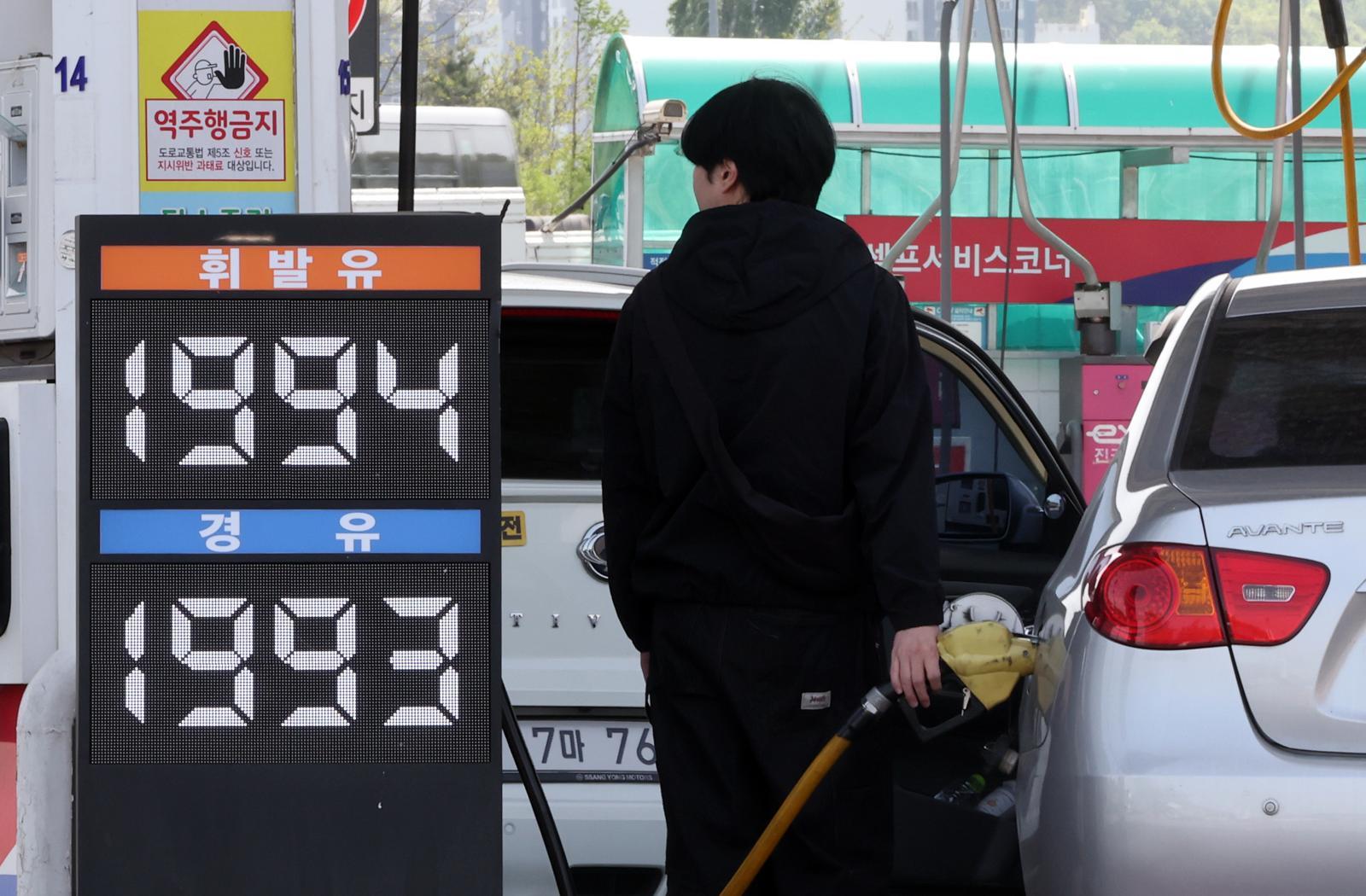
- The current price cap is expected to keep gasoline prices around 2,000 won per liter for the next fortnight, with the government also expanding tax reductions on LPG.
The South Korean government has opted to maintain the current price cap on petroleum products for an additional two weeks, a decision that has drawn attention given the recent decline in international oil prices. While market indicators might suggest room for a price decrease, the administration has prioritized other economic factors, including demand management, in its latest policy move. This approach reflects a delicate balancing act, aiming to stabilize consumer prices while navigating the complexities of global energy markets.
The decision to freeze the maximum price, considering the price reduction capacity based on international oil product price fluctuations, was made comprehensively considering factors such as the less-than-full reflection of international oil product price increases in the previous three maximum price decisions, and price and oil consumption management.
Since implementing the price cap system, the government has adjusted the maximum prices three times, with the latest freeze extending the period where prices have remained relatively stable. The current cap, set at 1,934 won per liter for gasoline, 1,923 won for diesel, and 1,530 won for kerosene, is calculated based on benchmark prices in the Asian market. Although international prices for gasoline and diesel have fallen in recent weeks, the government's decision to freeze the cap means consumers will not immediately benefit from these reductions.
If the maximum price system did not exist, the current gas station selling price would be around 2,200 won per liter for gasoline and 2,700-2,800 won for diesel.
Officials have explained that the freeze takes into account previous instances where international price hikes were not fully reflected and the broader need to manage inflation and oil consumption. The government estimates that without the price cap, average gasoline prices at domestic gas stations could have reached approximately 2,200 won per liter. The price cap system, according to the Korea Development Institute (KDI), has helped lower consumer prices by up to 0.8 percentage points.
According to the Korea Development Institute (KDI) announcement, the petroleum maximum price system measure lowered consumer prices by up to 0.8 percentage points, and consumption contraction was not observed.
Looking ahead, the government is also extending increased tax reductions on LPG, specifically butane, to mitigate the impact of rising international prices for this fuel. This measure, alongside the petroleum price freeze, underscores the government's commitment to cushioning consumers from energy price volatility. However, the long-term strategy for phasing out the price cap remains under consideration, contingent on the stabilization of international oil prices and geopolitical stability in the Middle East.
Currently, the Middle East situation remains unstable and international oil prices are high, so we are not considering abolishing the maximum price system. If the ceasefire negotiations between the US and Iran progress, and it is determined that international oil prices have stabilized due to the lifting of the blockade of the Strait of Hormuz, we can consider whether to abolish it, considering all factors.
DistantNews Editorial
Originally published by Dong-A Ilbo in Korean. Translated, summarized, and contextualized by our editorial team with added local perspective. Read our editorial standards.
More Stories


From Our Blog

What Gets Lost (and Found) When News Is Translated

The Critical Role of Diaspora Media in Global News

What Travellers Should Know About Countries with Restricted Press

A Digital Nomad's Guide to Following Local News

How the Same Story Looks Different in Different Countries
