

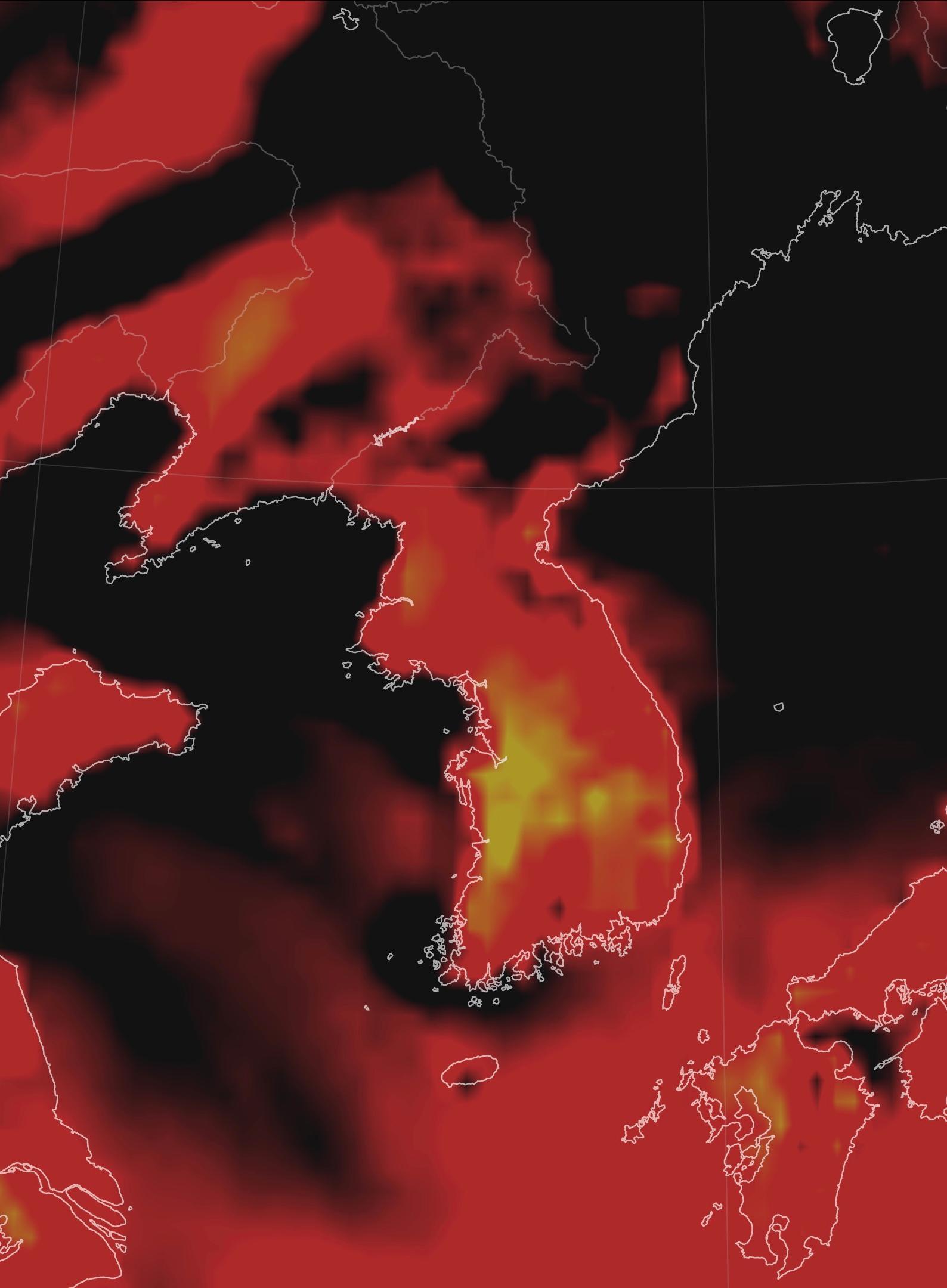
South Korea Issues Highest Heat Warning Amid 'Double Heat Dome'
Translated from Korean, summarized and contextualized by DistantNews.
At a glance
News
Sources not specified
Context piece
- South Korea is experiencing a severe heatwave due to a "double heat dome" formed by two high-pressure systems.
- The Meteorological Administration introduced a new "Major Heatwave Warning" level to address extreme temperatures exceeding 38 degrees Celsius.
- This new warning signifies a significantly high risk of serious health impacts, including heatstroke and fatalities, even for healthy individuals.
South Korea is currently enduring a severe heatwave, intensified by a meteorological phenomenon described as a "double heat dome." This occurs when the Tibetan Plateau high-pressure system in the upper atmosphere combines with the North Pacific high-pressure system in the mid-to-lower layers, trapping hot air over the Korean Peninsula.
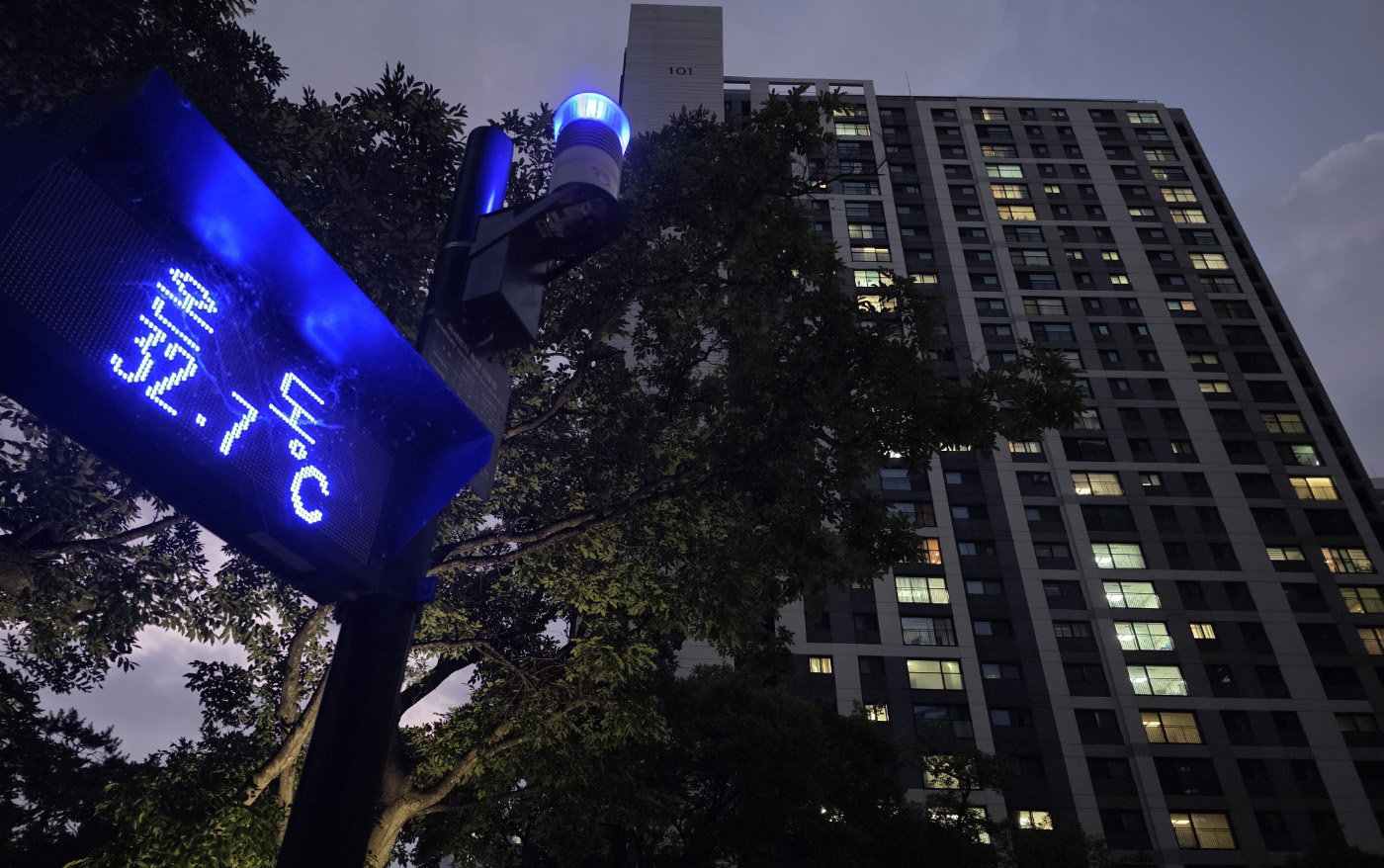
In response to the escalating temperatures, the Korea Meteorological Administration (KMA) has implemented a new, highest-level warning: the "Major Heatwave Warning." This designation is reserved for situations where the highest perceived temperature is expected to exceed 38 degrees Celsius or the highest daily temperature surpasses 39 degrees Celsius for at least one day, following two consecutive days of temperatures above 35 degrees Celsius.
KMA chief Lee Mi-seon emphasized the gravity of this new warning, stating, "The Major Heatwave Warning does not simply mean the weather is very hot." She elaborated that it signifies a "significantly high risk of serious harm, such as heatstroke or death, even for healthy individuals." The introduction of this advanced warning system underscores the unprecedented severity of the current heat conditions and the urgent need for public health precautions.
The Major Heatwave Warning does not simply mean the weather is very hot. It signifies a significantly high risk of serious harm, such as heatstroke or death, even for healthy individuals.
DistantNews Editorial
Originally published by Dong-A Ilbo in Korean. Translated, summarized, and contextualized by our editorial team with added local perspective. Read our editorial standards.
More Stories
From Our Blog

What Gets Lost (and Found) When News Is Translated

The Critical Role of Diaspora Media in Global News

What Travellers Should Know About Countries with Restricted Press

A Digital Nomad's Guide to Following Local News

How the Same Story Looks Different in Different Countries
