


South Korea issues highest heatwave alert as temperatures soar
Translated from Korean, summarized and contextualized by DistantNews.
At a glance
News
Sources not specified
Context piece
- South Korea issued its highest level of heatwave alert, 'Major Heatwave Warning,' for the first time in history for the cities of Pohang and Gyeongsan.
- The intense heatwave, with daytime temperatures reaching 35 degrees Celsius (95 Fahrenheit) in Seoul, has caused a surge in heat-related illnesses, with 636 cumulative cases and two deaths reported since mid-June.
- Authorities are urging residents to suspend outdoor activities and seek cool places, while extending the operating hours of some public cooling centers.
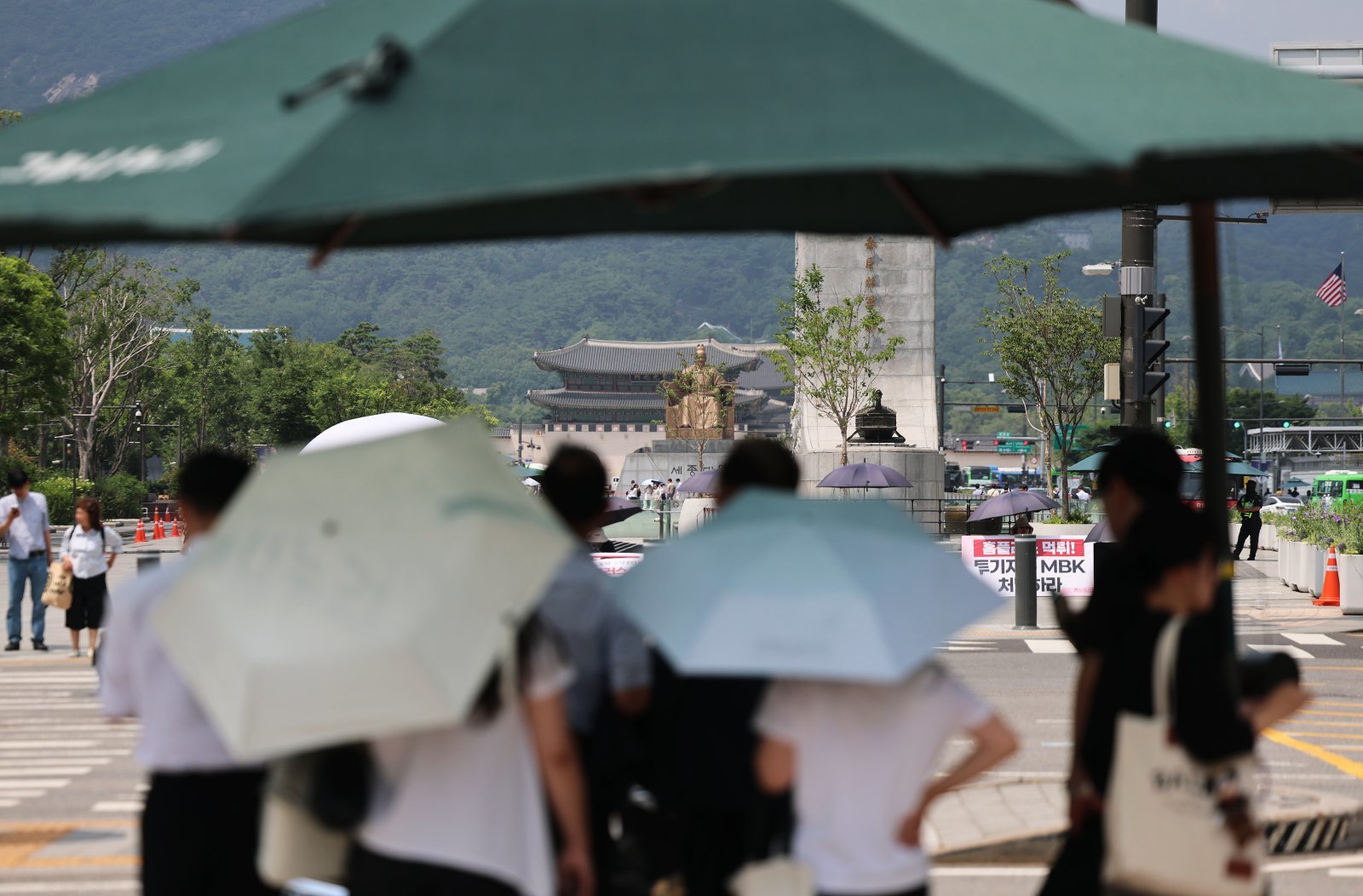
The mercury soared to 35 degrees Celsius (95 Fahrenheit) in Seoul on July 12, with heat haze shimmering over Yeouido, a stark reminder of the oppressive summer.
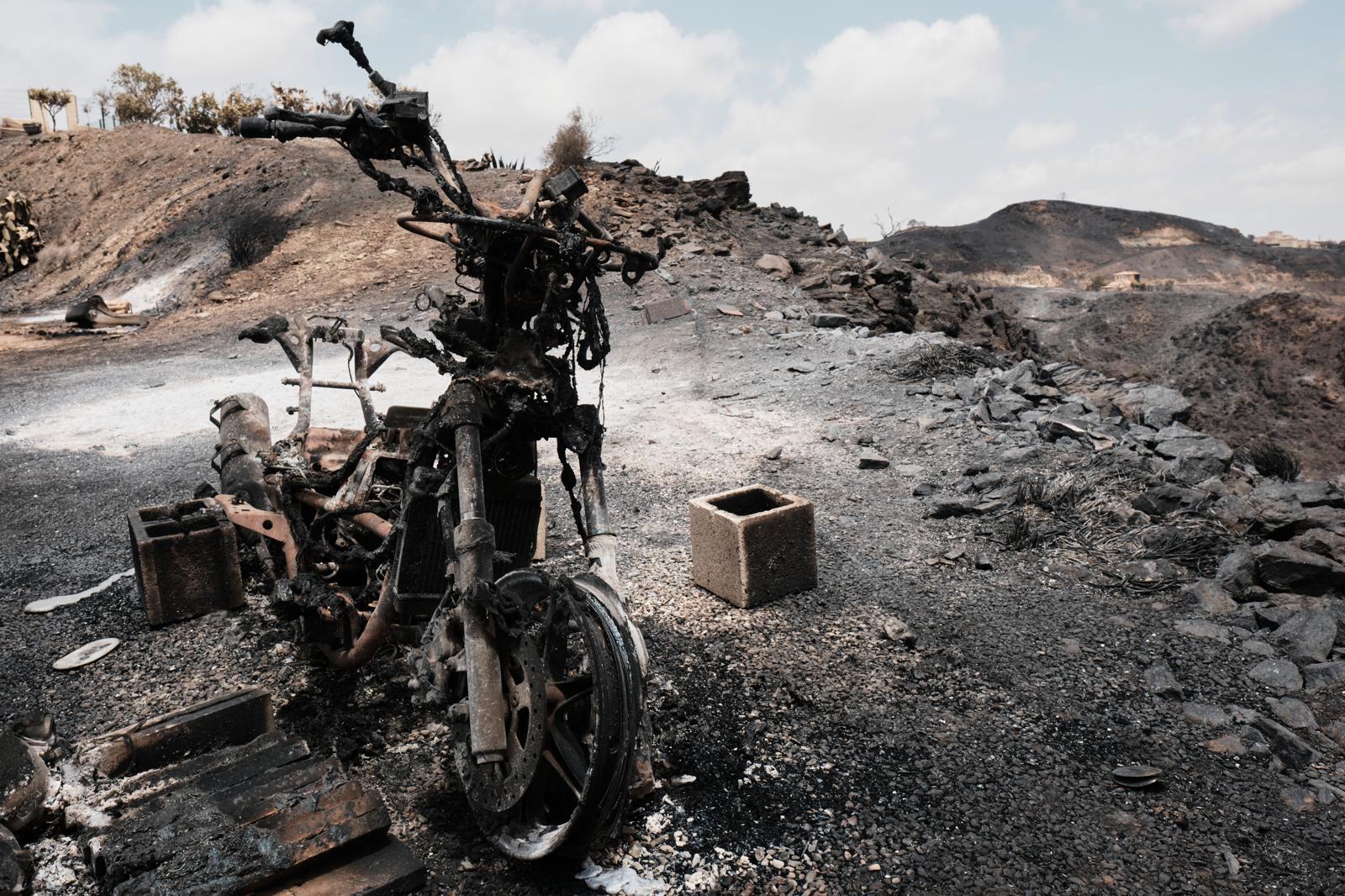
"It's only July, but I've already seen apples sunburned a few days ago. If I don't thin them out quickly, they might get sick..." said a 60-something apple farmer in Pohang, who has been cultivating his orchard for 15 years. He returned home after just 40 minutes of work in his field at 7 a.m., unable to bear the heat. "I had to pick the damaged fruit quickly to prevent further damage, but I felt like I couldn't breathe and would have a serious accident if I continued," he lamented, adding that even a cooling vest offered no relief. Pohang recorded a high of 36.5 degrees Celsius that day.
It's only July, but I've already seen apples sunburned a few days ago. If I don't thin them out quickly, they might get sick.... I had to pick the damaged fruit quickly to prevent further damage, but I felt like I couldn't breathe and would have a serious accident if I continued. Even a cooling vest offered no relief.
For the first time ever, the Korea Meteorological Administration and the Ministry of the Interior and Safety issued the highest level of heatwave alert, the 'Major Heatwave Warning,' for Pohang and Gyeongsan in North Gyeongsang Province at 10 a.m. that morning. A government-wide "all-out heatwave response system" was activated. The 'Major Heatwave Warning,' newly established this year, aims to "minimize casualties from heat-related illnesses." According to the Korea Disease Control and Prevention Agency, conditions that trigger the warning – a peak apparent temperature of 38 degrees Celsius or higher, or a maximum temperature of 39 degrees Celsius or higher – increase the overall risk of death by 1.16 times and the risk of death from cardiovascular disease by 1.14 times. On July 11, the day after the rain stopped and the heat began, 99 new heat-related illnesses were reported, a jump of 78 from the previous day. Since June 15, a total of 636 heat-related illnesses have been reported, including two deaths.
When a 'Major Heatwave Warning' is issued, all outdoor activities are immediately "suspended," and people are advised to "move" to a cool place and "check" their safety. Lee Sang-eok, head of the association of village chiefs in Gimye-myeon, Pohang, said, "We broadcasted warnings since morning, telling people not to work outside because of the heat." He added, "We're having people who were weeding or doing light chores in their yards come inside, and villagers are gathering at the village hall or cool pavilions to check on each other's health."
Pohang City has increased the frequency of welfare checks for vulnerable populations from once to twice a day and extended the operating hours of some heatwave shelters from 6 p.m. to 10 p.m. The Korea Forest Service ordered a complete halt to all outdoor work in forest areas in Gyeongsan and Pohang.
We broadcasted warnings since morning, telling people not to work outside because of the heat. We're having people who were weeding or doing light chores in their yards come inside, and villagers are gathering at the village hall or cool pavilions to check on each other's health.
Heatwave advisories were also in effect for most other regions. The heatwave gripped areas including Gyeonggi's Yeoju, which recorded a peak apparent temperature of 37.3 degrees Celsius, as well as the Seoul metropolitan area, eastern Gangwon Province, and inland areas of Chungcheong, Jeolla, and Gyeongsang. In Seoul, where the daytime high reached 35 degrees Celsius, the streets were deserted, with sweat pouring off people just standing. Kim Kyung-nam, 70, who sells vegetables at Mangwon Market in Mapo-gu, Seoul, repeatedly sprayed water on his lettuce, which quickly wilted in the heat. "I picked and prepared the lettuce since dawn, but nobody comes out because it's so hot," he said.
Outdoor workers, lacking adequate cooling facilities, relied on ice and cooling products to endure the heat. A 48-year-old traffic guide at Shinsegae Department Store in Jung-gu, Seoul, said, "We take turns using frozen neck coolers, and during the peak heat, we rotate every 30 minutes." A resident visiting the Huiu Senior Welfare Center (a heatwave shelter) in Mapo-gu, which was open on the weekend, exclaimed, "Outside is like a furnace."
I picked and prepared the lettuce since dawn, but nobody comes out because it's so hot.
The Korea Meteorological Administration attributed the heatwave to the dual influence of the Tibetan Plateau anticyclone and the North Pacific anticyclone, along with hot and humid air flowing from the south. In particular, they explained that in the southern Gyeongsang region, the southerly wind crossing the mountains further elevated temperatures, and the basin-like topography prevented heat from escaping, intensifying the heat.
Rain is expected in central and western regions on July 14. However, after the rain stops, the high humidity is expected to lead to continued stifling heat when the sun returns. In the Gyeongsang region, where the 'Major Heatwave Warning' is in effect, little rain is forecast, making it likely that the heatwave will persist. The Meteorological Administration warned, "For the time being, rain and stifling heat will alternate, and there is a possibility that the areas under the 'Major Heatwave Warning' will expand."
We take turns using frozen neck coolers, and during the peak heat, we rotate every 30 minutes.
DistantNews Editorial
Originally published by Hankyoreh in Korean. Translated, summarized, and contextualized by our editorial team with added local perspective. Read our editorial standards.
More Stories

From Our Blog

What Gets Lost (and Found) When News Is Translated

The Critical Role of Diaspora Media in Global News

What Travellers Should Know About Countries with Restricted Press

A Digital Nomad's Guide to Following Local News

How the Same Story Looks Different in Different Countries
