


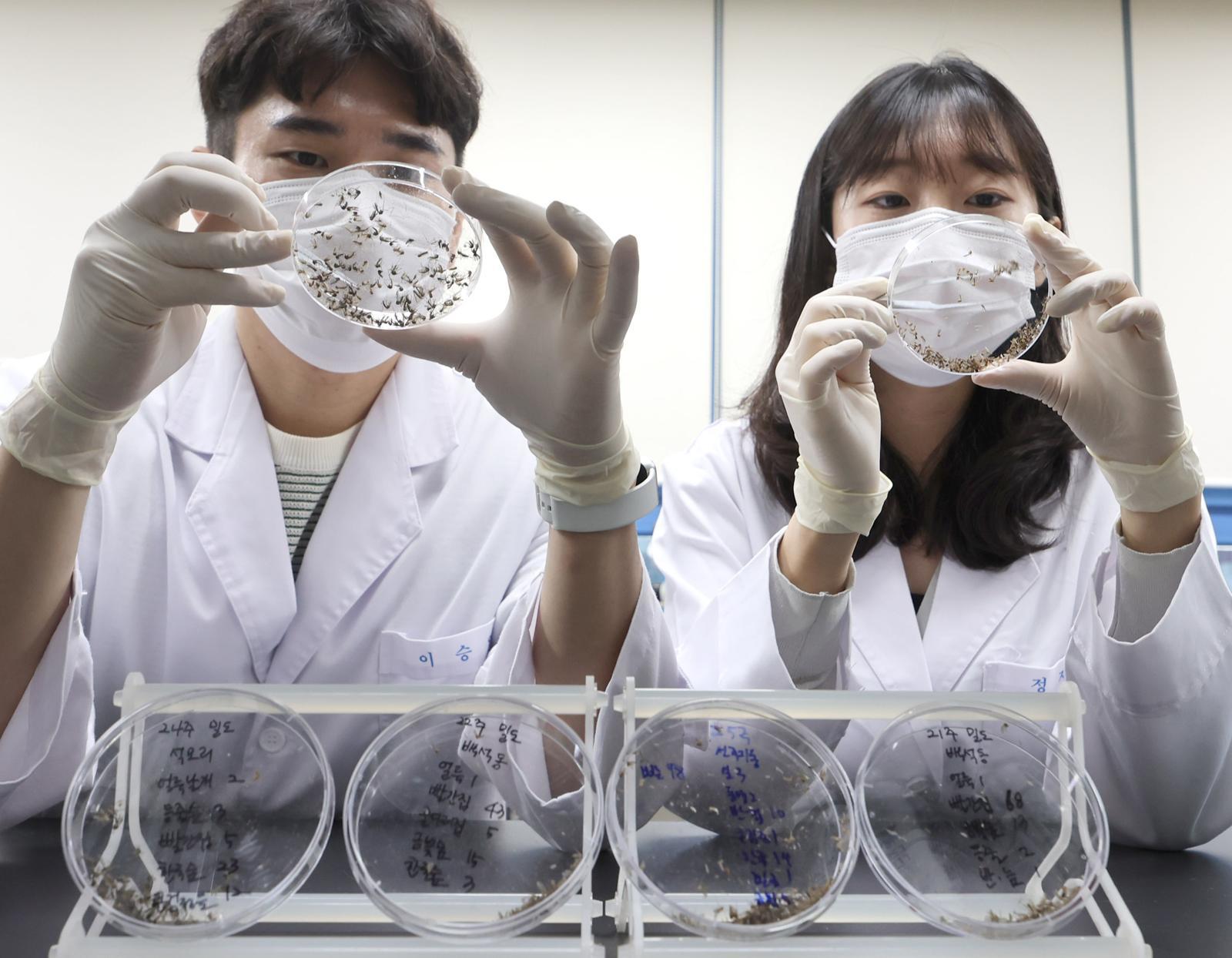
South Korea Issues Nationwide Malaria Advisory Amid Rising Mosquito Threat
Translated from Korean, summarized and contextualized by DistantNews.
At a glance
News
Sources not specified
Context piece
- South Korea has issued a malaria advisory nationwide due to an increase in malaria-transmitting mosquitoes.
- The advisory was triggered by mosquito density exceeding a threshold in multiple regions, including Paju, Ganghwa, Yanggu, and Guro.
- Health authorities urge mosquito control measures and advise seeking medical attention for fever after mosquito bites.
South Korea has issued a nationwide malaria advisory as mosquito populations capable of transmitting the disease are expected to increase following the rainy season. The Korea Disease Control and Prevention Agency (KDCA) urged enhanced mosquito control in high-risk areas and adherence to preventive measures against mosquito bites.
The advisory was activated because the average daily mosquito index, the number of mosquitoes caught per trap per day, exceeded 0.5 in three or more administrative districts. This threshold was met in Paju (0.8), Ganghwa County (1.0), Yanggu (0.7), and Guro District (0.5). The current situation is similar to the same period last year, with average temperatures remaining consistent.
With the malaria advisory in place, local governments should strengthen mosquito control, and residents and visitors in the affected areas must adhere to mosquito bite prevention guidelines.
Despite the advisory, the number of domestic malaria cases reported by June 13 stands at 74, a decrease of 45.6% compared to the 136 cases reported during the same period last year. The majority of cases were reported in Gyeonggi (58.1%) and Incheon (23.0%), with suspected infection areas primarily in these regions.
To prevent the spread of malaria, authorities emphasize mosquito control, bite prevention, and prompt diagnosis and treatment. Local governments are tasked with comprehensive pest control measures to reduce mosquito density. Medical facilities in high-risk areas are advised to suspect malaria in patients presenting with a fever of 37.5°C or higher and conduct prompt testing. KDCA Commissioner Lim Seung-gwan stressed the importance of strengthening mosquito control and advised residents and visitors in affected areas to follow preventive guidelines and seek early medical examination if fever or other symptoms appear after mosquito bites.
Malaria is suspected in patients visiting with a fever of 37.5℃ or higher, and prompt testing should be actively conducted.
DistantNews Editorial
Originally published by Dong-A Ilbo in Korean. Translated, summarized, and contextualized by our editorial team with added local perspective. Read our editorial standards.
More Stories


From Our Blog

What Gets Lost (and Found) When News Is Translated

The Critical Role of Diaspora Media in Global News

What Travellers Should Know About Countries with Restricted Press

A Digital Nomad's Guide to Following Local News

How the Same Story Looks Different in Different Countries
