

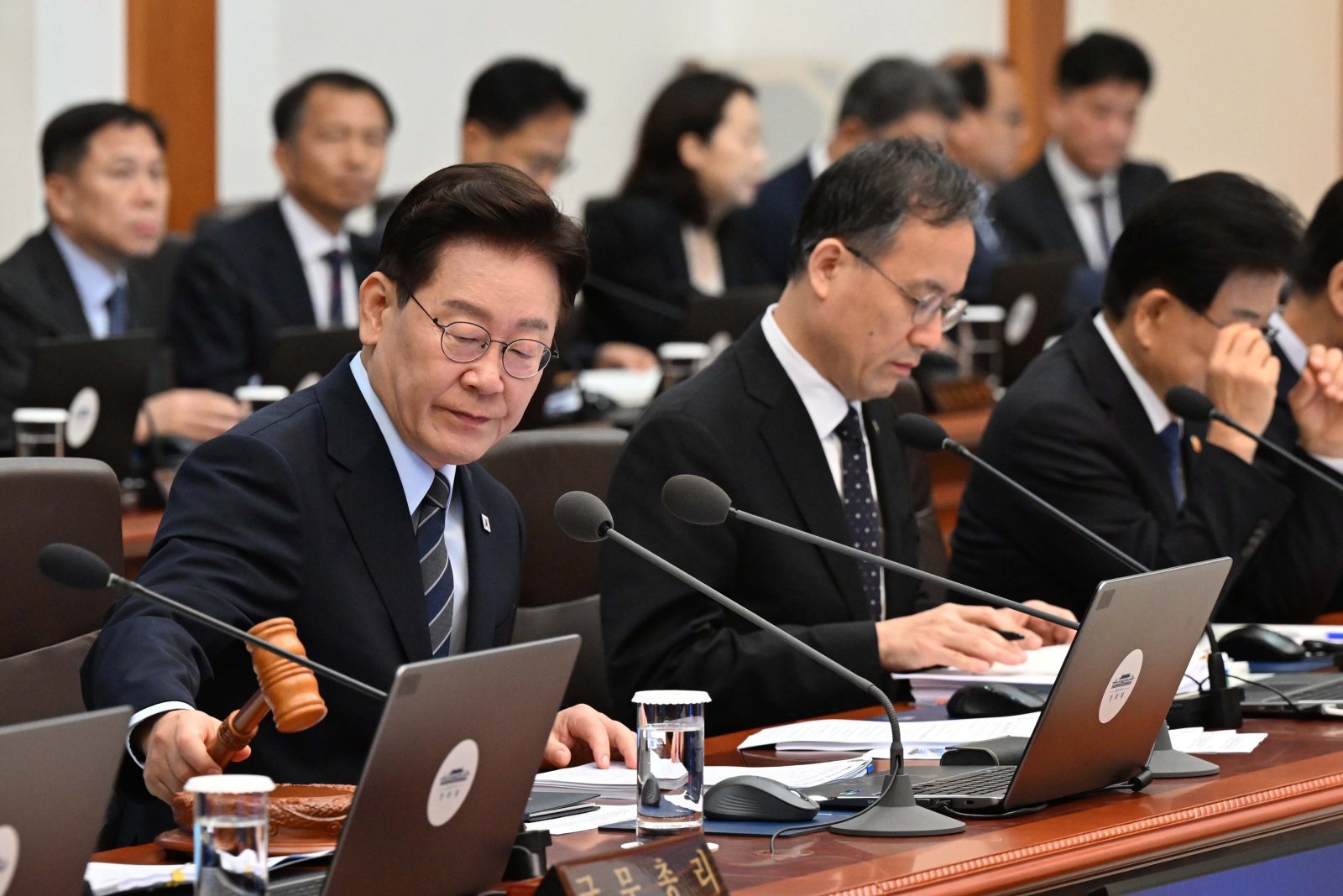
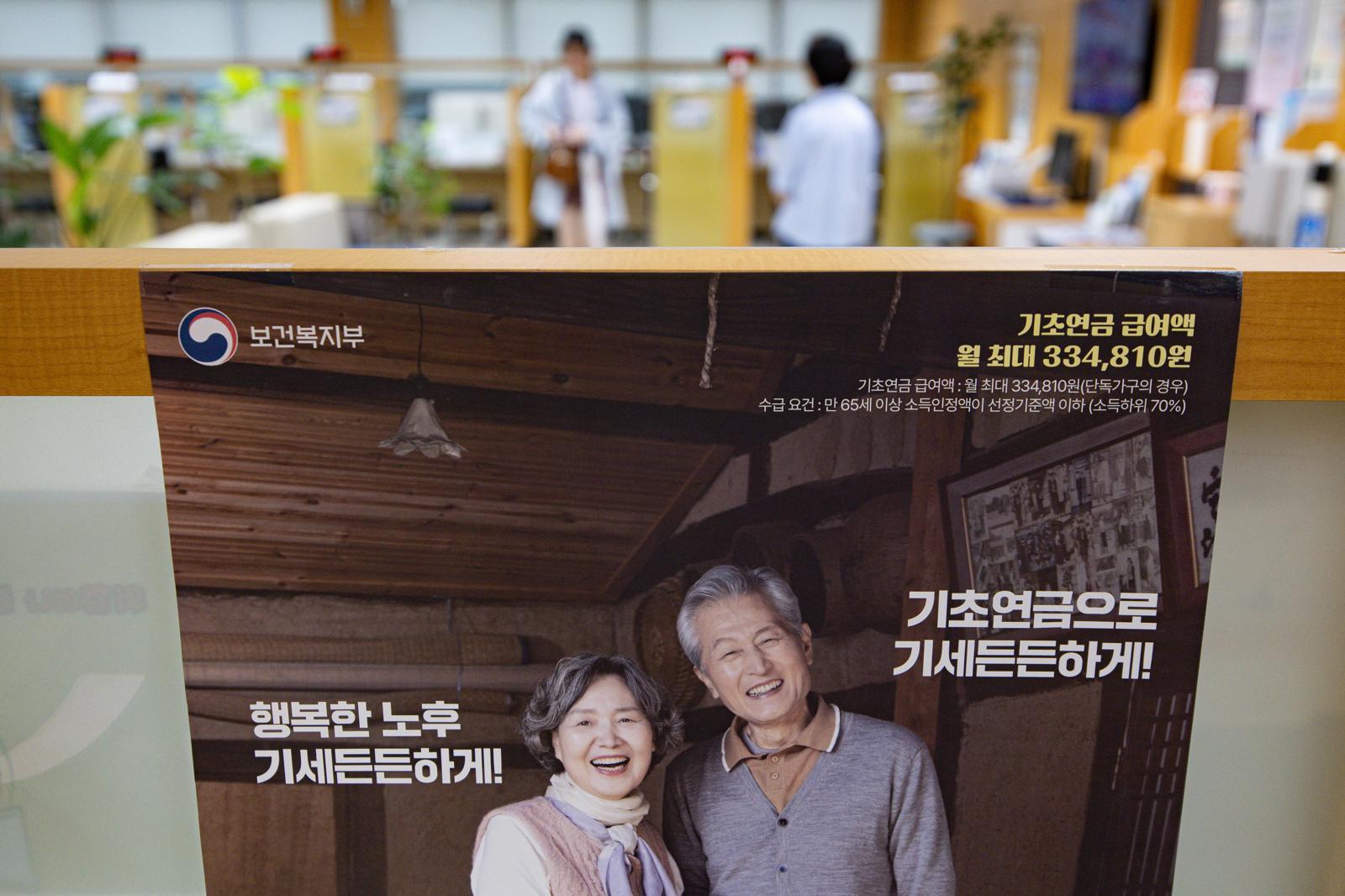
South Korea keeps basic pension threshold at bottom 70%, adds 30,000 won for poorest seniors
Translated from Korean and summarized by DistantNews. Read the original for the full story.
At a glance
News
Official statement
Approved/passed
- South Korea will retain the current income threshold covering the bottom 70% of older people for basic pension payments next year.
- From April, the bottom 30%, or 3.48 million low-income seniors, will receive 380,000 won per month, 30,000 won more than this year.
- The change represents a retreat from a planned reform that would have used median household income and gradually reduced benefits for higher-income recipients.
South Korea will keep the basic pension’s existing eligibility rule for the bottom 70% of older people, while giving the poorest recipients a larger monthly payment.
Under the plan, the bottom 30% of income earners among older people will receive 380,000 won a month from April next year, an increase of 30,000 won. The group includes 3.48 million people.
The government had initially pursued a more substantial overhaul. It planned to replace the current eligibility standard with median household income and gradually reduce payments to higher-income recipients, creating a system designed to give more to those with less.
The revised approach keeps the broad threshold and introduces income-based payments across three groups, with the largest increase going to the lowest-income seniors. Critics say the reform effectively failed after the government, whose approval rating had fallen into the 30% range, responded to public opposition. They also argue that government spending will rise instead.
About this summary
Originally published by Dong-A Ilbo in Korean. Translated, summarized, and contextualized automatically by DistantNews, with a note on how the source frames the story. Not individually reviewed before publishing. How this works.
More Stories



From Our Blog

What Gets Lost (and Found) When News Is Translated

The Critical Role of Diaspora Media in Global News

What Travellers Should Know About Countries with Restricted Press

A Digital Nomad's Guide to Following Local News

How the Same Story Looks Different in Different Countries
