


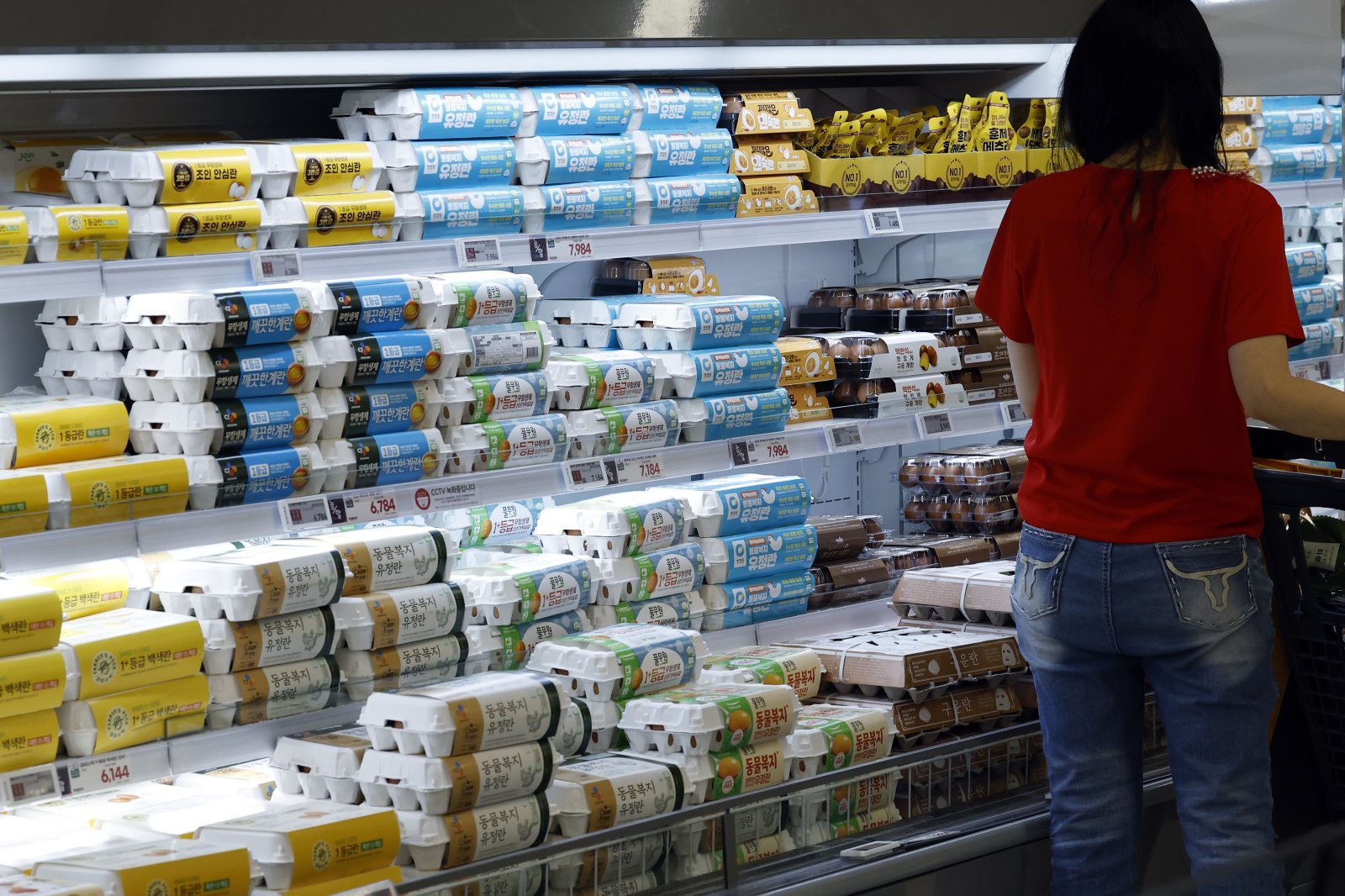
South Korea may ease curbs on supermarket early morning deliveries
Translated from Korean, summarized and contextualized by DistantNews.
At a glance
News
Sources not specified
Ongoing story
- South Korean regulations limiting large supermarkets' early morning delivery services may be eased after 14 years, sparking industry optimism.
- Retailers could leverage their physical stores as delivery hubs, potentially expanding service areas and online sales.
- However, concerns remain about profitability due to high operating costs and the continued imposition of mandatory monthly closures.
South Korean large supermarkets may see regulations restricting their early morning delivery services eased after 14 years, a prospect that has raised expectations within the retail industry. The potential to utilize nationwide offline stores as delivery bases could simultaneously expand service areas and boost online sales.
Industry insiders suggest that if regulations are relaxed, major retailers like E-mart, Lotte Mart, and Homeplus could transform their numerous physical stores into delivery hubs. Currently, early morning deliveries are largely restricted to online-only logistics centers that are not subject to operating hour restrictions. This change could significantly broaden the reach of these services.
Despite the anticipation of increased sales and customer reach, particularly in the competitive grocery sector, concerns about profitability persist. Early morning delivery is a low-margin business that incurs additional costs for nighttime labor, vehicle operations, and product sorting and packaging. Some estimate these operating costs can be 1.5 to 2 times higher than daytime deliveries.
Furthermore, the industry faces challenges from established players like Coupang, which already dominates the early morning delivery market. To compete effectively, large supermarkets would require substantial investments in automated facilities, order systems, and delivery fleets. The ongoing requirement for two mandatory monthly closures also presents a hurdle, as it would limit the use of stores as delivery bases on those days. Retailers are thus advocating for a simultaneous easing of mandatory closure regulations alongside the delivery service liberalization.
DistantNews Editorial
Originally published by Dong-A Ilbo in Korean. Translated, summarized, and contextualized by our editorial team with added local perspective. Read our editorial standards.
More Stories



From Our Blog

What Gets Lost (and Found) When News Is Translated

The Critical Role of Diaspora Media in Global News

What Travellers Should Know About Countries with Restricted Press

A Digital Nomad's Guide to Following Local News

How the Same Story Looks Different in Different Countries
