


US imposes new tariffs on 60 countries over forced labor concerns
Translated from Korean, summarized and contextualized by DistantNews.
At a glance
News
Named sources
New plan
- The U.S. will impose new tariffs of 10-12.5% on imports from 60 countries, citing concerns over forced labor.
- This measure effectively continues a global tariff system following the expiration of a temporary 10% universal tariff.
- South Korean products will face a total tariff of 12.5%, including existing duties, while the EU and Taiwan will have tariffs capped at 10%.
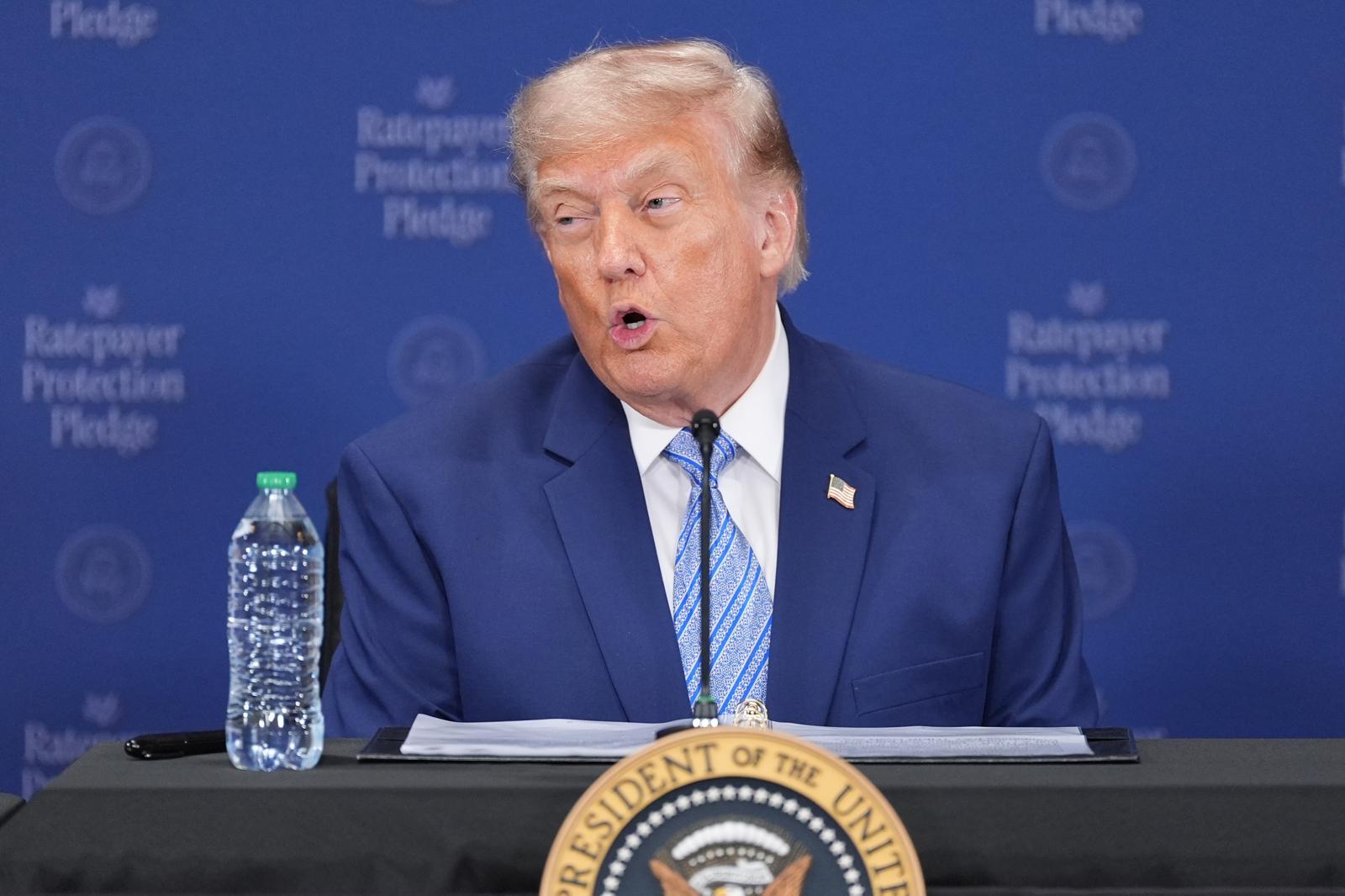
The United States is implementing a new tariff system, imposing duties of 10% to 12.5% on imports from 60 major trading partners and economic blocs. The U.S. Trade Representative's office announced the tariffs under Section 301 of the Trade Act of 1974, citing a failure by these countries to prohibit or enforce prohibitions on goods produced with forced labor. This move effectively extends a global tariff regime, following the expiration of a temporary 10% universal tariff that had been in place since February after a Supreme Court ruling.
A senior U.S. administration official described the measure as the most extensive international labor rights protection ever undertaken by any country, aiming to encourage trading partners to join efforts to eradicate forced labor in global supply chains. The U.S. has strictly enforced bans on forced labor imports for nearly a century, and this action signals a demand for greater international cooperation.
The tariff rate will be 10% for countries that have established systems to prohibit forced labor or have pledged to adopt and enforce such systems with the U.S. This category includes nations like Argentina, Canada, India, Mexico, and the United Kingdom. For other countries, the tariff rate will generally be 12.5%. South Korean products, along with those from Japan and Switzerland, will face a combined tariff of 12.5%, including existing duties. The European Union and Taiwan will have their tariffs adjusted so that the total, including existing duties, does not exceed 10%.
The United States has strictly enforced bans on forced labor imports for nearly a century, and now it is time for our trading partners to join us.
Exemptions are in place to mitigate economic shock and industrial disruption. Items subject to existing national security tariffs, such as steel, aluminum, automobiles, and auto parts, will not face duplicate tariffs. Certain food and agricultural products, fertilizers, energy products, and raw materials not sufficiently produced in the U.S. are also exempt. Goods meeting duty-free requirements under the U.S.-Mexico-Canada Agreement (USMCA) are generally excluded as well.
This new tariff structure can remain in place indefinitely and may be adjusted by the president. While the immediate economic impact may be limited due to the similarity to previous tariffs, the U.S. is also conducting a separate Section 301 investigation into structural overcapacity and excess facilities in manufacturing sectors of 16 economies, including South Korea. This could lead to additional tariffs on some South Korean products.
This is the most extensive international labor rights protection ever undertaken by any country, whether by the United States or any other country.
DistantNews Editorial
Originally published by Hankyoreh in Korean. Translated, summarized, and contextualized by our editorial team with added local perspective. Read our editorial standards.
More Stories

From Our Blog

What Gets Lost (and Found) When News Is Translated

The Critical Role of Diaspora Media in Global News

What Travellers Should Know About Countries with Restricted Press

A Digital Nomad's Guide to Following Local News

How the Same Story Looks Different in Different Countries
