

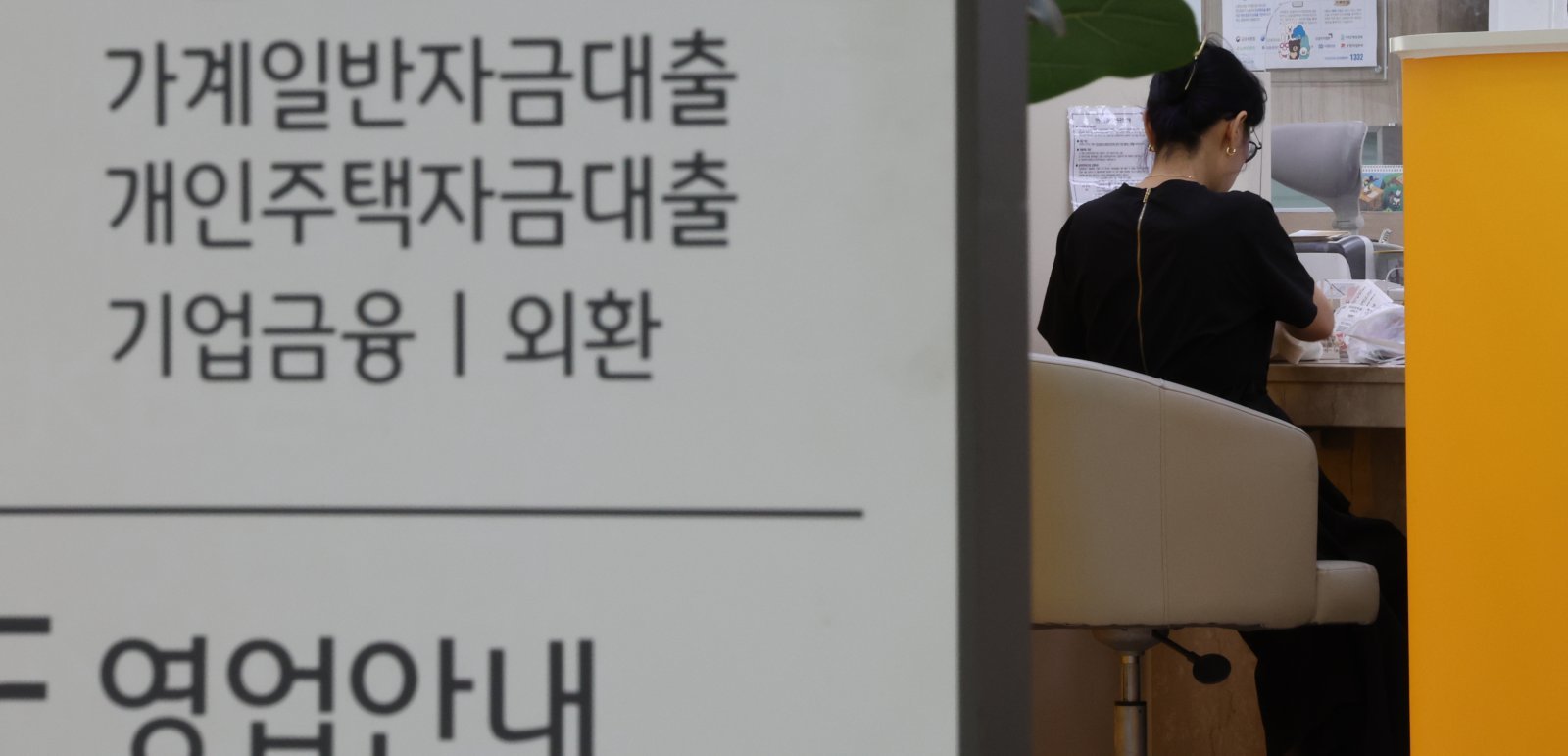

South Korea proposes changes to basic pension system, sparking debate
Translated from Korean and summarized by DistantNews. Read the original for the full story.
At a glance
News
Sources not specified
Ongoing story
- South Korea's government is proposing reforms to the basic pension system, aiming for a "bottom-up" approach to benefit lower-income seniors more.
- The plan involves shifting from a target recipient rate to an income-based standard, potentially reducing the number of recipients over time.
- Concerns exist that some current beneficiaries might see their pensions reduced, contradicting President Lee Jae-myung's earlier statements.
South Korea's Ministry of Health and Welfare has proposed significant changes to the nation's basic pension system, aiming to provide greater financial support to low-income elderly individuals. The proposed reform, initially planned for a press briefing that was abruptly canceled, seeks to implement a "bottom-up" distribution method, prioritizing those with the greatest financial need.
The core of the reform involves transitioning from the current system, which targets 70% of seniors based on income and assets, to a stricter income-based standard. Starting next year, pensions would be provided to seniors whose income falls below 90% of the median household income, with this threshold gradually decreasing to 80% by 2030. This adjustment is expected to significantly reduce the overall number of pension recipients.
Under the proposed tiered system, the most vulnerable seniors, those with incomes below 20% of the median, would receive increased monthly payments, starting at 380,000 won next year and rising to 400,000 won by 2028. Seniors in the next income bracket (20-40% of the median) would receive slightly increased amounts, while those above 40% would see their pensions frozen at the current 350,000 won. This creates a widening gap between the lowest and highest earners within the eligible group.
A major point of contention is the potential impact on existing beneficiaries. While the government is considering measures to protect current recipients, the proposal includes a plan to gradually reduce pension amounts for those who no longer qualify under the new income standards. This approach appears to contradict President Lee Jae-myung's earlier assertion that existing benefits should not be cut. Further discussions are also underway regarding reducing benefit reductions for low-income couples and potentially extending eligibility to recipients of occupational pensions.
About this summary
Originally published by Hankyoreh in Korean. Translated, summarized, and contextualized automatically by DistantNews, with a note on how the source frames the story. Not individually reviewed before publishing. How this works.
More Stories


From Our Blog

What Gets Lost (and Found) When News Is Translated

The Critical Role of Diaspora Media in Global News

What Travellers Should Know About Countries with Restricted Press

A Digital Nomad's Guide to Following Local News

How the Same Story Looks Different in Different Countries
