


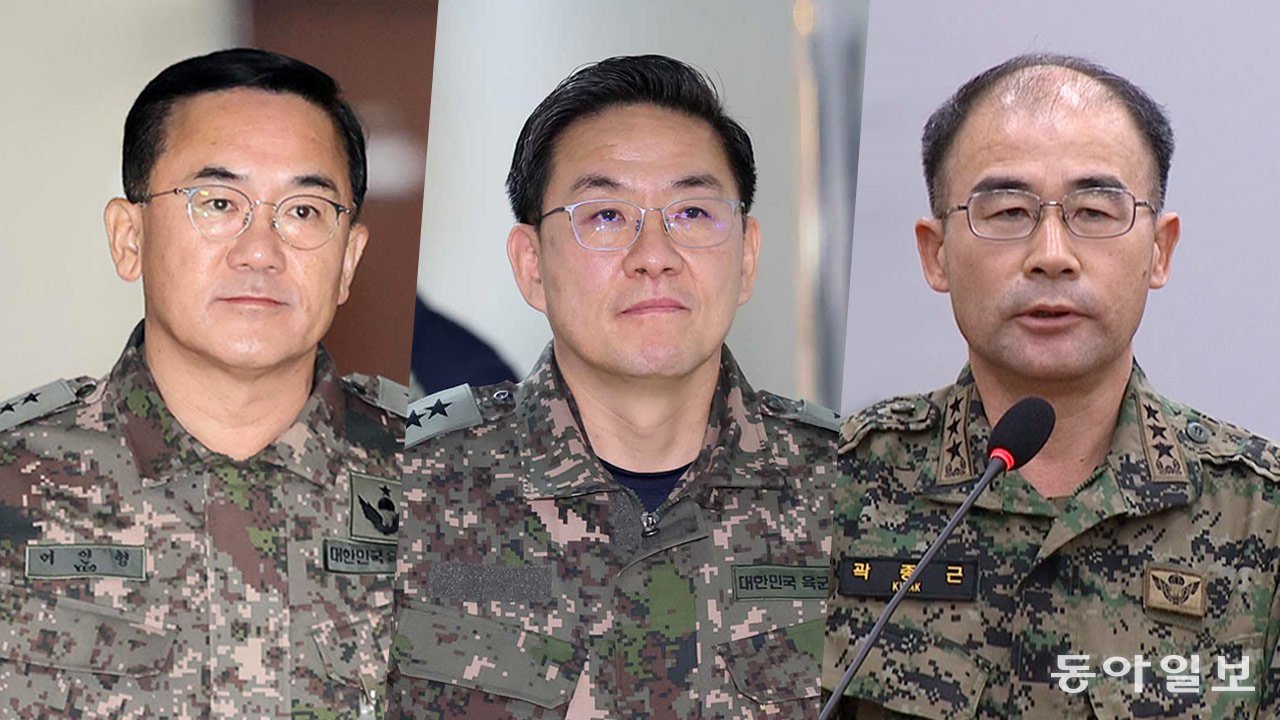
South Korea prosecutors seek 30-year sentences for ex-generals in 1979 coup case
Translated from Korean, summarized and contextualized by DistantNews.
At a glance
News
Named sources
In the courts
- South Korea's special prosecutor has requested lengthy prison sentences for former military officials involved in a 1979 coup.
- Prosecutors are seeking 30 years for two former commanders, citing their active participation in planning to seize control.
- The sentences requested range from 20 to 30 years for those accused of deploying troops during the emergency decree.
South Korean prosecutors are seeking severe prison sentences for former high-ranking military officials involved in a 1979 coup, arguing they actively participated in a plot to seize power. The special prosecutor requested 30-year sentences for former Counterintelligence commander Yeo In-hyeong and former Capital Defense Commander Lee Jin-woo. They are accused of deploying troops to the National Assembly and the Central Election Commission during the December 12th emergency decree period. The prosecution stated these generals, who held significant responsibility, were not merely following orders but "actively conspired and prepared to share the fruits of the rebellion" through the emergency decree. The prosecution also argued that their actions "severely damaged the honor and trust of the military" and created doubt among soldiers about obeying superiors. Sentences of 25 years were requested for former Army Chief of Staff Park An-su, and 20 years for former Special Warfare Commander Kwak Jong-geun and former Defense Intelligence Commander Moon Sang-ho. The prosecution noted mitigating factors for some defendants, including a previous conviction for Yeo, a confession by Kwak, and a sentence for Moon on a separate charge.
(They) were generals in leading positions who held the highest responsibility for national security and defense at the time. They knew better than anyone the history of military political intervention and the public's expectations and trust in the military that were formed through it. They did not mechanically mobilize their units under the orders of the military commander and commander. They actively conspired and prepared to share the fruits of the rebellion through the emergency decree.
DistantNews Editorial
Originally published by Dong-A Ilbo in Korean. Translated, summarized, and contextualized by our editorial team with added local perspective. Read our editorial standards.
More Stories


From Our Blog

What Gets Lost (and Found) When News Is Translated

The Critical Role of Diaspora Media in Global News

What Travellers Should Know About Countries with Restricted Press

A Digital Nomad's Guide to Following Local News

How the Same Story Looks Different in Different Countries
