


South Korea: Public Housing Buyers Struggle to Secure Loans Amid Debt Regulations
Translated from Korean, summarized and contextualized by DistantNews.
At a glance
News
Named sources
Context piece
- Nearly half of public housing complexes due to pay mid-term installments by year-end cannot secure banks for loans.
- This difficulty stems from tightened household loan regulations, impacting both private and public housing projects.
- A government measure in the "August 13 Measures" aims to ease this by managing housing supply loans separately from household debt totals.
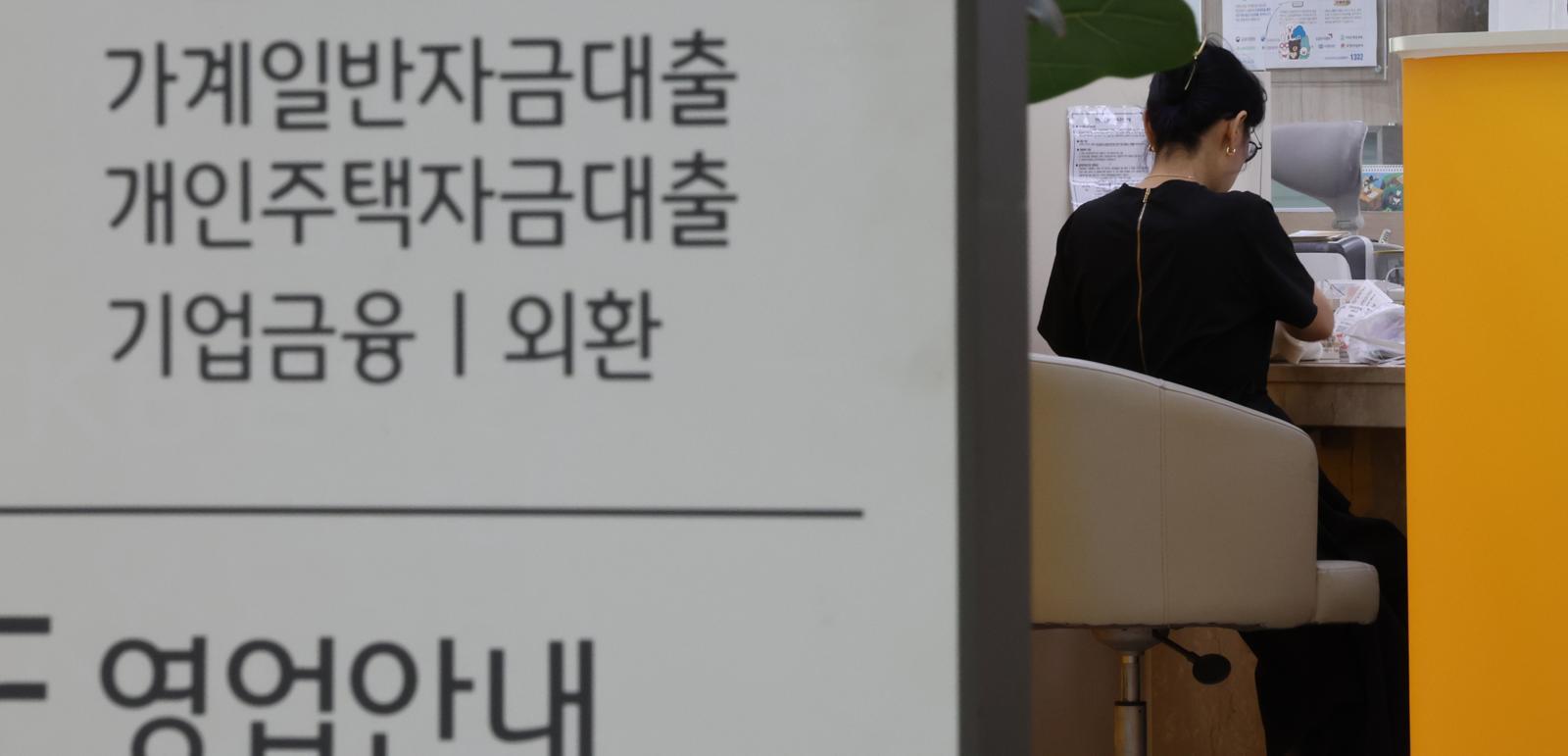
A significant number of public housing developments in South Korea are facing difficulties securing banks for mid-term payment loans, with nearly one in two complexes unable to find lenders. This situation affects approximately 4,319 individuals who have contracted to purchase homes in nine affected developments scheduled to make payments between July and December.
The primary reason for this lending freeze is the stringent regulation of household debt totals by financial institutions. Banks have been reducing their involvement in large-scale mid-term payment loans to manage these totals, inadvertently creating hurdles for prospective buyers in public housing projects, who are often first-time homeowners.
The government is shouting about housing supply, yet making it difficult to secure loans for public housing mid-term payments due to household loan total management is a clear policy mismatch.
One example is the Guri-Galmae station area Block A-1, a new town development where 1,180 out of 1,182 units have been contracted. Despite a strong initial subscription rate, the project failed twice to attract banks for its collective loan bidding process. Buyers now face the prospect of needing to arrange the approximately 100 million won (around $75,000) mid-term payment independently, with some discussing using their current rental deposits to cover the installments and moving to cheaper rental housing.
While the "August 13 Measures" announced by the government intend to alleviate this by treating housing supply loans separately from overall household debt, concerns remain. Lawmaker Kang Dae-sik criticized the policy, stating, "The government is shouting about housing supply, yet making it difficult to secure loans for public housing mid-term payments due to household loan total management is a clear policy mismatch." He emphasized the need for comprehensive solutions that enable actual home purchases, not just increased supply figures.
There are discussions among prospective residents about whether we have to repay the mid-term payments with our current rental deposit and move to a monthly rent house.
DistantNews Editorial
Originally published by Dong-A Ilbo in Korean. Translated, summarized, and contextualized by our editorial team with added local perspective. Read our editorial standards.
More Stories



From Our Blog

What Gets Lost (and Found) When News Is Translated

The Critical Role of Diaspora Media in Global News

What Travellers Should Know About Countries with Restricted Press

A Digital Nomad's Guide to Following Local News

How the Same Story Looks Different in Different Countries
