

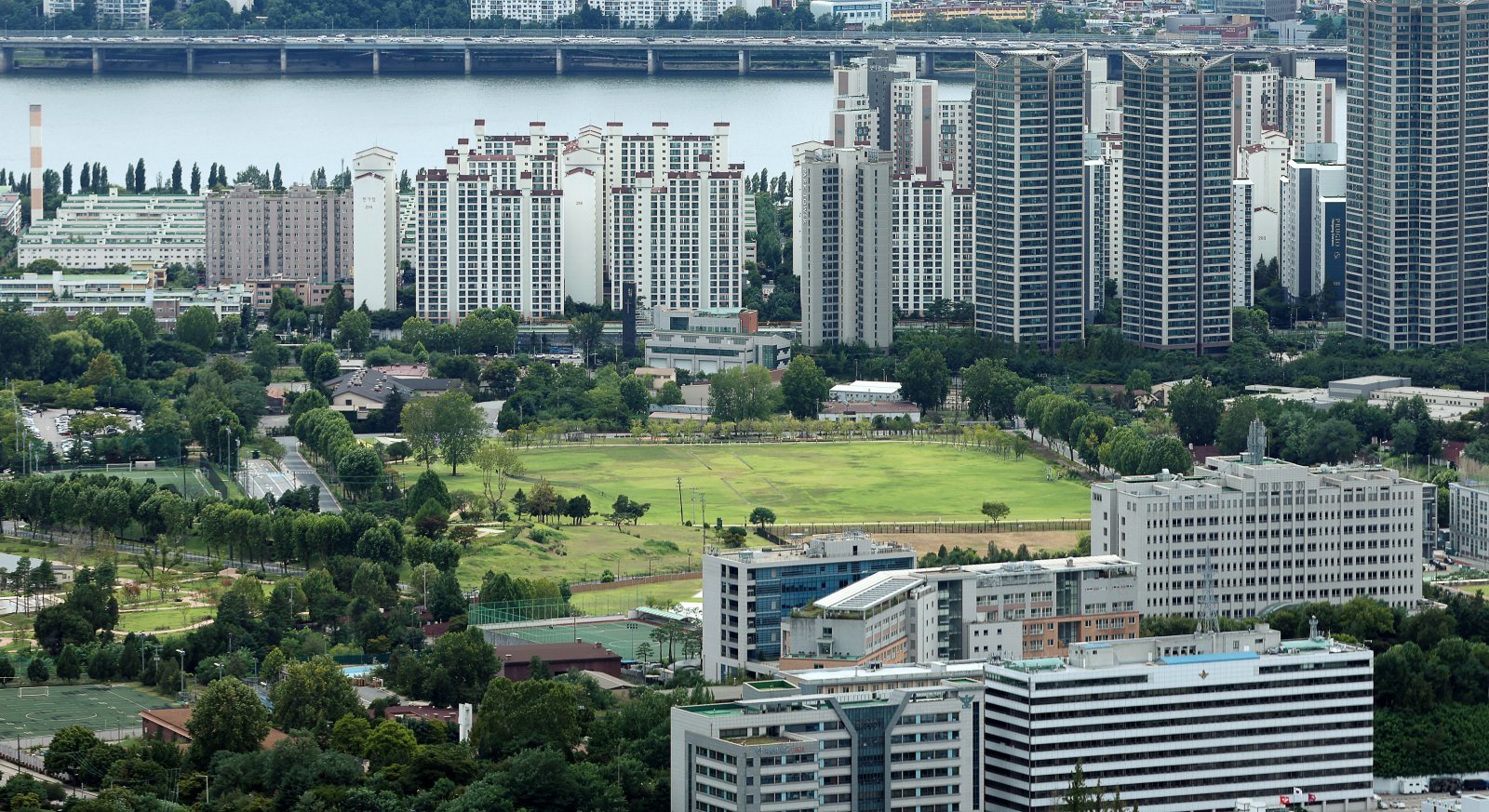

Youth housing loan to steer young Koreans toward villas, critics say
Translated from Korean, summarized and contextualized by DistantNews.
At a glance
News
Named sources
New plan
- South Korea's Financial Services Commission is launching a new mortgage product, 'Youth Future Housing Loan,' in January aimed at first-time homebuyers under 39 with incomes below 70 million won.
- The loan is designed to support the purchase of non-apartment housing valued under 400 million won, offering preferential loan-to-value ratios and interest rates.
- The policy has drawn criticism for potentially discouraging apartment purchases, but the commission clarifies that existing loan programs for apartments remain available and that the scope may be expanded later.
South Korea's Financial Services Commission (FSC) is set to launch the 'Youth Future Housing Loan' in January, a temporary policy mortgage product targeting first-time homebuyers under 39 with annual incomes below 70 million won. The new loan aims to facilitate the purchase of non-apartment properties, such as villas, valued at under 400 million won. It offers preferential loan-to-value (LTV) ratios of up to 80% and an interest rate advantage of up to 2.0 percentage points compared to the general housing fund. This policy mortgage is specifically for young, single-person households or early-career individuals currently renting, allowing them to purchase a home with a monthly principal and interest payment comparable to current rent, estimated at 850,000 won for a 200 million won loan over 30 years at 3.0% interest. The product is planned for a limited two-year period, with an annual supply cap of 3 trillion won, totaling up to 6 trillion won by 2028. However, the initiative has sparked controversy, with some media outlets reporting that the 'Youth Future Housing Loan' could steer young people away from buying apartments and towards villas. In response, the FSC clarified that the loan is intended to provide an additional opportunity for those living in rental properties, such as villas and officetels in transit-oriented areas, to purchase a home with a manageable payment burden. The commission emphasized that young people still aspiring to buy apartments can continue to utilize existing policy tools like the 'Bogeumjari Loan' and 'Didimdol Loan,' which remain available under the same conditions. Last year, 97% of the 12.0 trillion won in 'Bogeumjari Loans' supplied to young people were used for apartment purchases. The supply target for 'Bogeumjari Loans' this year is approximately 20 trillion won. Data shows that among young households renting, 71.7% live in non-apartments, compared to 28.3% in apartments. The average net worth of households under 39 is 219 million won, with an average annual income of 67.58 million won. The average housing price nationwide is 210 million won for multi-family homes and 270 million won for officetels, while apartments average 510 million won. In Seoul, these figures are 380 million won for multi-family homes, 410 million won for officetels, and 1.33 billion won for apartments. The FSC also stated that the preferential LTV benefits will be maintained for recipients of this loan when they seek new housing based on life events like marriage or childbirth.
Youth Future Housing Loan is designed to provide an additional opportunity for those living in rental properties, such as villas and officetels in transit-oriented areas, to purchase a home with a manageable payment burden.
DistantNews Editorial
Originally published by Hankyoreh in Korean. Translated, summarized, and contextualized by our editorial team with added local perspective. Read our editorial standards.
More Stories


From Our Blog

What Gets Lost (and Found) When News Is Translated

The Critical Role of Diaspora Media in Global News

What Travellers Should Know About Countries with Restricted Press

A Digital Nomad's Guide to Following Local News

How the Same Story Looks Different in Different Countries
