

South Korea raises median income benchmark, sparking debate on work incentives
Translated from Korean, summarized and contextualized by DistantNews.
At a glance
Opinion
Sources not specified
New plan
- South Korea's government has decided to increase the median income benchmark by 6.7% for 2025, the largest rise in history.
- This adjustment will affect 80 welfare benefits, including basic livelihood, medical, housing, and education subsidies, for approximately 3 million recipients.
- The editorial raises concerns that the rapid increase in the median income benchmark may disincentivize low-wage workers from seeking employment and reduce the self-reliance of those receiving benefits.
South Korea's government has announced a significant increase in its median income benchmark for 2025, raising it by 6.7% to approximately 6.93 million won per month for a four-person household. This marks the largest historical increase in the benchmark, which serves as the basis for determining eligibility for 80 different welfare programs across 15 ministries.
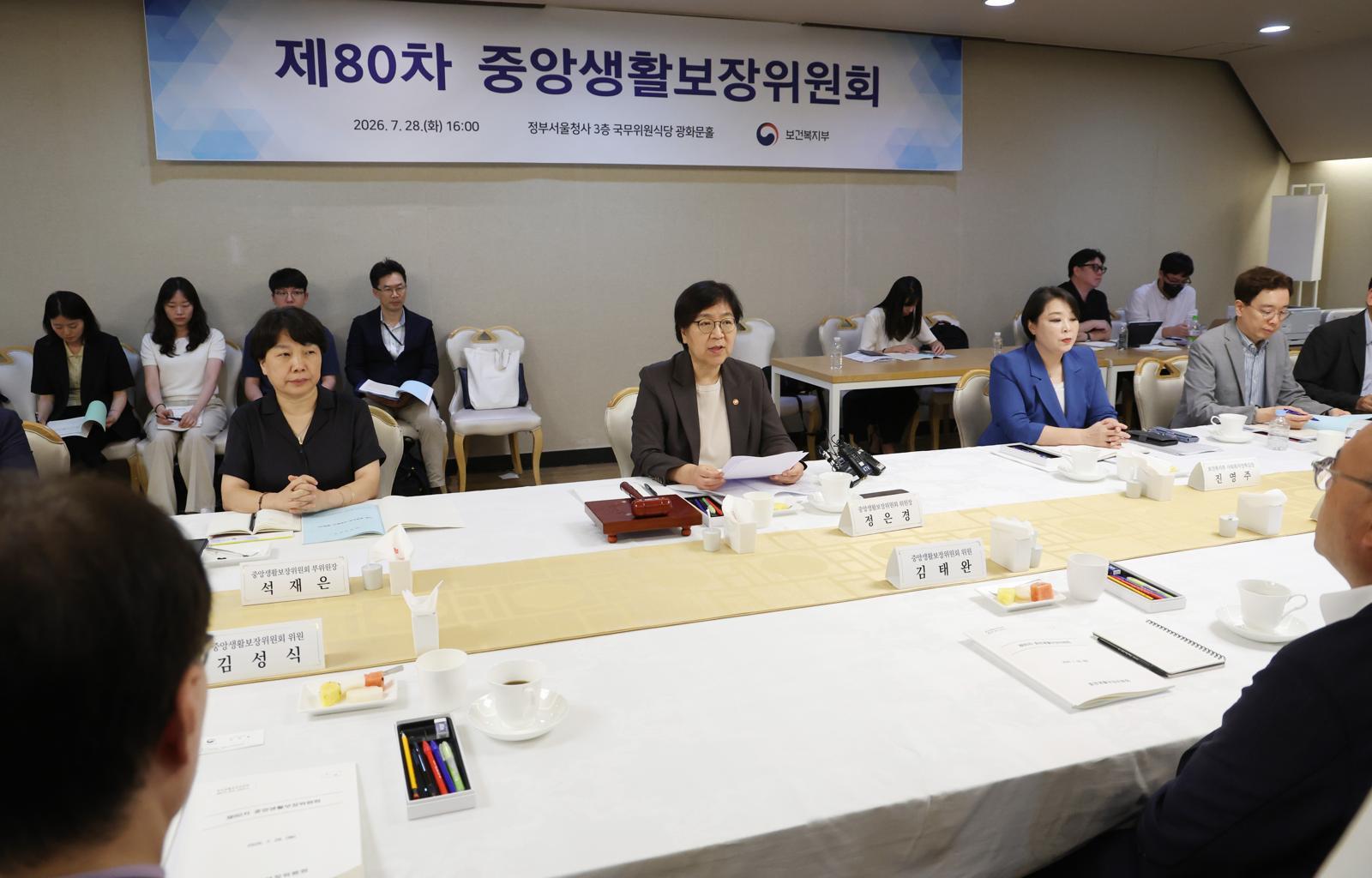
The Ministry of Health and Welfare stated that the decision, made at the 80th Central Livelihood Security Committee meeting, reflects changes in the calculation method, including the incorporation of consumer price index and real economic growth rates. This adjustment aims to address criticisms that the benchmark was previously set too low, hindering the expansion of welfare benefits and increasing fiscal expenditure. The government intends for this to help counter the widening "K-shaped" economic divide.
However, the editorial expresses caution regarding the rapid rise in the median income benchmark. While acknowledging the state's duty to protect vulnerable populations, it emphasizes the need for careful implementation to manage fiscal burdens and potential impacts on the work incentives of low-income individuals. The benchmark has risen by over 6% annually for the past four years, outpacing inflation and wage growth.
The article points out that the number of recipients for basic livelihood, medical, housing, and education benefits has neared 3 million, with associated budget exceeding 23 trillion won. It questions whether the pace of increase is too steep and warns that a sharp rise in the median income benchmark could disadvantage low-wage workers who do not qualify for benefits. With the minimum wage increasing by 3.7% for 2025, the 생계급여 (livelihood benefit) increase is nearly double that rate. The editorial urges a thorough examination to ensure the system does not inadvertently discourage employment or self-sufficiency.
DistantNews Editorial
Originally published by Dong-A Ilbo in Korean. Translated, summarized, and contextualized by our editorial team with added local perspective. Read our editorial standards.
More Stories


From Our Blog

What Gets Lost (and Found) When News Is Translated

The Critical Role of Diaspora Media in Global News

What Travellers Should Know About Countries with Restricted Press

A Digital Nomad's Guide to Following Local News

How the Same Story Looks Different in Different Countries
