

South Korea's agricultural sector transforms with K-food boom and tech innovation
Translated from Korean and summarized by DistantNews. Read the original for the full story.
At a glance
Analysis
Sources not specified
Context piece
- South Korea's agricultural sector is undergoing a significant transformation, boosted by the global popularity of K-food and increased exports.
- The industry is leveraging AI technology and attracting young entrepreneurs to address challenges such as an aging workforce and small-scale farming.
- The government views agriculture as a strategic industry crucial for national development, food security, and revitalizing rural areas.
South Korea's agricultural sector is at a pivotal moment, evolving from a traditional industry into a dynamic innovation hub fueled by the global K-culture phenomenon. The surge in popularity of K-food has propelled Korean agricultural and food products onto the world stage, with exports reaching record highs. This burgeoning success is providing a critical pathway to overcome long-standing issues like an aging rural population and the prevalence of small-scale farms.
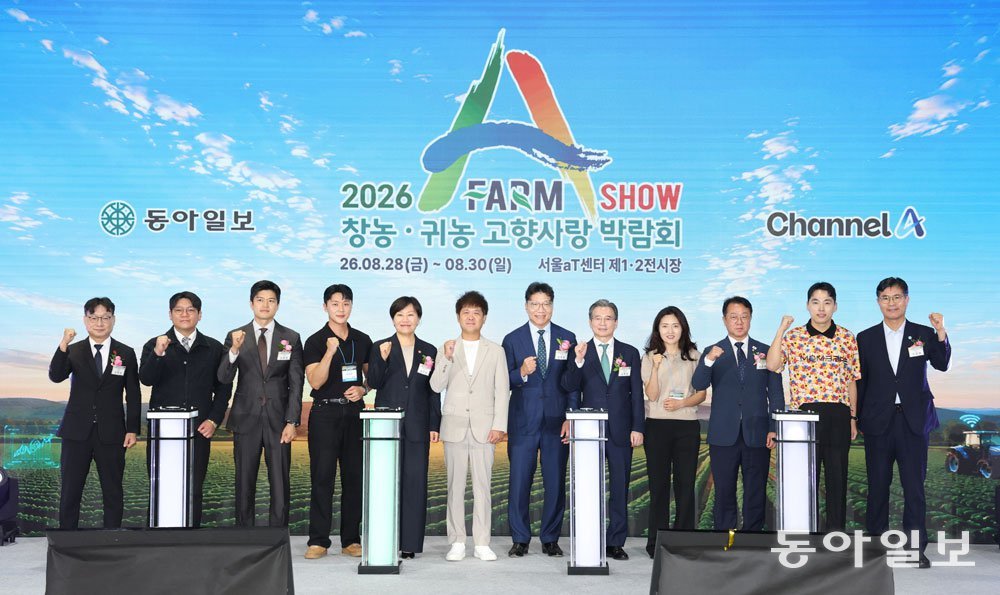
The '2026 A FARM SHOW, Creative Farming and Returning to Hometown Expo' in Seoul highlights this transformation, showcasing how artificial intelligence (AI) and the influx of young talent are creating new opportunities. Smart farming technologies, utilizing advanced sensors, robotics, and data analysis, are compensating for the lack of experience among new farmers and mitigating risks associated with climate change.
This integration of cutting-edge technology with agricultural production, combined with information technology and food tech, is making farming an attractive venture for young entrepreneurs. The government recognizes agriculture's potential not only for food security but also as a key strategic industry for national development and for combating rural decline. With robust national support, Korean agriculture is poised to become a significant export driver, mirroring the success of its semiconductor industry.
About this summary
Originally published by Dong-A Ilbo in Korean. Translated, summarized, and contextualized automatically by DistantNews, with a note on how the source frames the story. Not individually reviewed before publishing. How this works.
More Stories

From Our Blog

What Gets Lost (and Found) When News Is Translated

The Critical Role of Diaspora Media in Global News

What Travellers Should Know About Countries with Restricted Press

A Digital Nomad's Guide to Following Local News

How the Same Story Looks Different in Different Countries
