


South Korea's Apartment Reconstruction Model Faces Sustainability Crisis Amid Political Debate
Translated from Korean, summarized and contextualized by DistantNews.
At a glance
Analysis
Named sources
Context piece
- The article questions the sustainability of South Korea's "Korean-style reconstruction model" for aging apartments, particularly the Eungma Apartment complex.
- This model, rooted in the country's rapid development era, relies on increasing housing density through reconstruction to cover costs, a method now facing challenges.
- Debates are intensifying between national and city leaders over the necessity and method of apartment reconstruction, highlighting differing views on urban development and housing supply.
The Eungma Apartment complex, built in 1979, stands at a crossroads, facing reconstruction as it nears the age limit set by Seoul's regulations. For decades, South Korea's approach to aging buildings has favored demolition and rebuilding to increase housing density, a strategy born from the nation's rapid industrialization and housing shortages. This model, legally established in the late 1980s and later consolidated under urban development laws, allowed homeowners to form cooperatives and rebuild, using increased floor area ratios to fund construction. The government saw this as a way to boost housing supply without straining public finances.
Reconstruction is a development model from a growth era when the population was exploding and demand was constantly rising. And we have maintained it by reducing 분담금 (burden sharing) by continuously increasing the floor area ratio. Now, that era is over.
However, this system is showing its age. Reconstruction projects are increasingly dependent on market fluctuations, particularly housing prices and the profitability of selling newly built units. With construction costs rising significantly, the financial viability of these projects is becoming more uncertain. This raises fundamental questions about the long-term sustainability of the "Korean-style reconstruction model," especially as more apartments reach their designated obsolescence.
Reconstruction involves cases where the number of households increases, but it doesn't seem to increase that much.
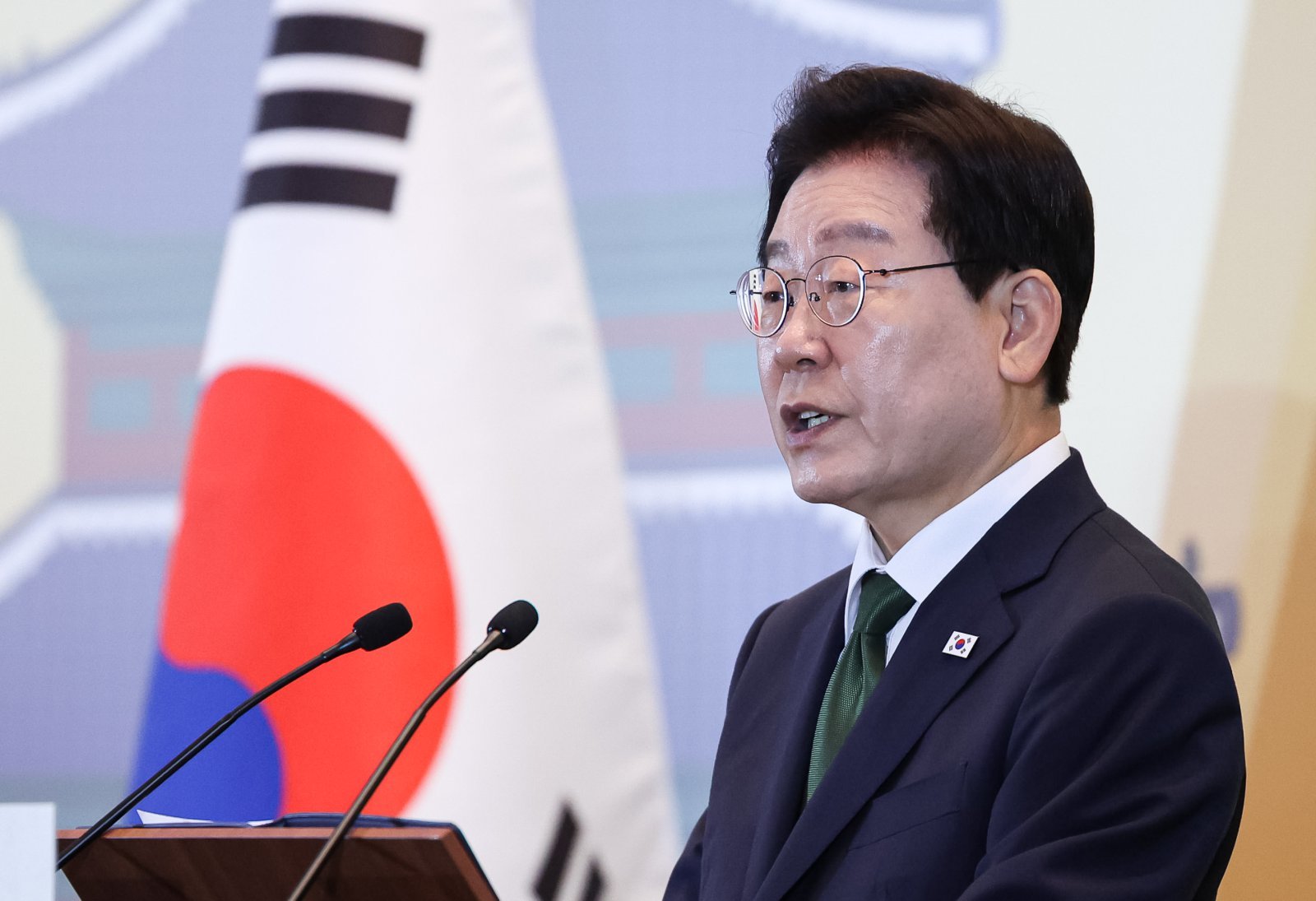
The debate over apartment reconstruction has escalated into a significant political issue. President Yoon Suk-yeol has expressed skepticism about the scale of housing increases through reconstruction, while Seoul Mayor Oh Se-hoon defends it as a crucial, perhaps the only, means of large-scale housing supply. Professor Ma Kang-rai of Chung-Ang University argues that the era of rapid population growth and demand that justified this model is over, suggesting a need for new approaches. The conflict highlights a deeper tension between urban development strategies, housing affordability, and the environmental impact of constant demolition and rebuilding.
I confirmed the president's deep-seated prejudice and distorted perception of redevelopment and reconstruction. Redevelopment and reconstruction are virtually the only means of large-scale supply.
DistantNews Editorial
Originally published by Hankyoreh in Korean. Translated, summarized, and contextualized by our editorial team with added local perspective. Read our editorial standards.
More Stories

From Our Blog

What Gets Lost (and Found) When News Is Translated

The Critical Role of Diaspora Media in Global News

What Travellers Should Know About Countries with Restricted Press

A Digital Nomad's Guide to Following Local News

How the Same Story Looks Different in Different Countries
