


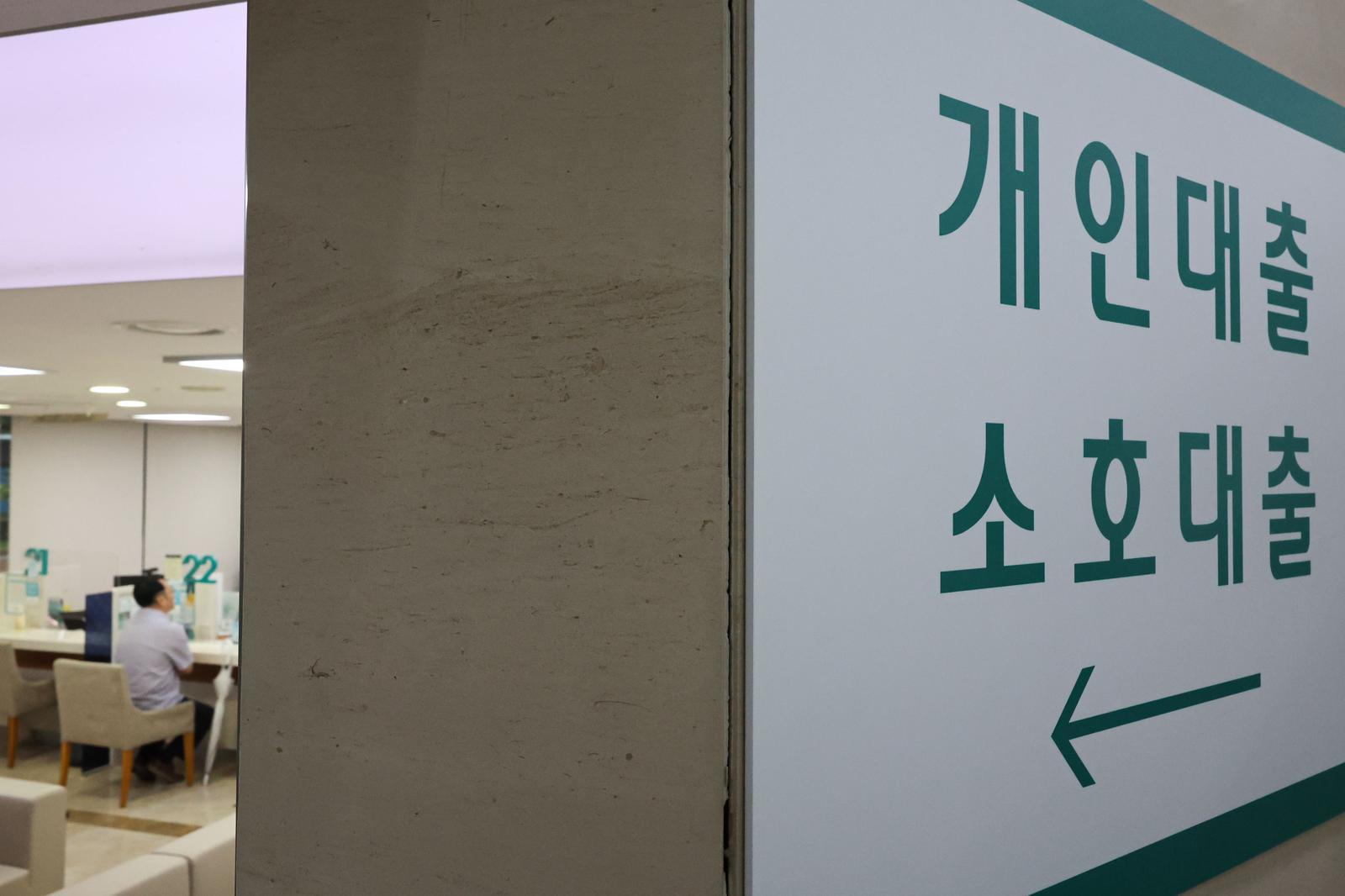
South Korea's Banks to Tighten Lending in Q3 Amid Debt Concerns
Translated from Korean, summarized and contextualized by DistantNews.
At a glance
News
Named sources
New plan
- South Korean banks are expected to tighten lending conditions in the third quarter of 2026, continuing a trend of household debt management.
- The Bank of Korea's survey indicates a strengthening of lending attitudes, particularly for household loans, leading to reduced demand for housing-related credit.
- While credit loan demand for investment is projected to rise, high interest rates and regulations are expected to curb housing-backed loan demand.
South Korean banks are poised to make borrowing more difficult in the third quarter of 2026, as financial authorities maintain a tight grip on household debt.
The lending attitude index for domestic banks is expected to strengthen, centered on the household sector, in the third quarter.
A survey by the Bank of Korea reveals that domestic banks plan to strengthen their lending practices, especially concerning household loans. This tightening is reflected in the "Lending Attitude Composite Index," which stood at -7 for the third quarter. A negative index signifies stricter lending policies, and the increasing negative value indicates a growing reluctance to lend.
This trend follows a pattern observed over the past six quarters, during which banks have progressively tightened their lending criteria. The current stance is largely attributed to the government's continued emphasis on managing household debt levels. While demand for credit loans, often used for investment purposes ('bit-too' or borrowing for investment), is expected to increase, the high interest rate environment and existing regulations are projected to significantly dampen demand for housing-related loans, including mortgages.
The negative sign indicates that lending management will be further strictly strengthened, and the larger the number that follows, the stronger the intention to reduce lending.
In contrast, demand for corporate loans, both from large enterprises and small and medium-sized businesses (SMEs), is anticipated to grow. This is driven by companies seeking to secure liquidity amidst ongoing domestic and international uncertainties. However, the report also highlights a widening credit risk gap, with SMEs facing significantly higher risks compared to large corporations, exacerbated by factors like the prolonged conflict in the Middle East.
Amidst the increase in stock market investment, demand for related loans is expected to increase in the third quarter. However, due to higher interest rates and various regulations, demand for housing-related loans is expected to gradually decrease.
DistantNews Editorial
Originally published by Dong-A Ilbo in Korean. Translated, summarized, and contextualized by our editorial team with added local perspective. Read our editorial standards.
More Stories


From Our Blog

What Gets Lost (and Found) When News Is Translated

The Critical Role of Diaspora Media in Global News

What Travellers Should Know About Countries with Restricted Press

A Digital Nomad's Guide to Following Local News

How the Same Story Looks Different in Different Countries
