

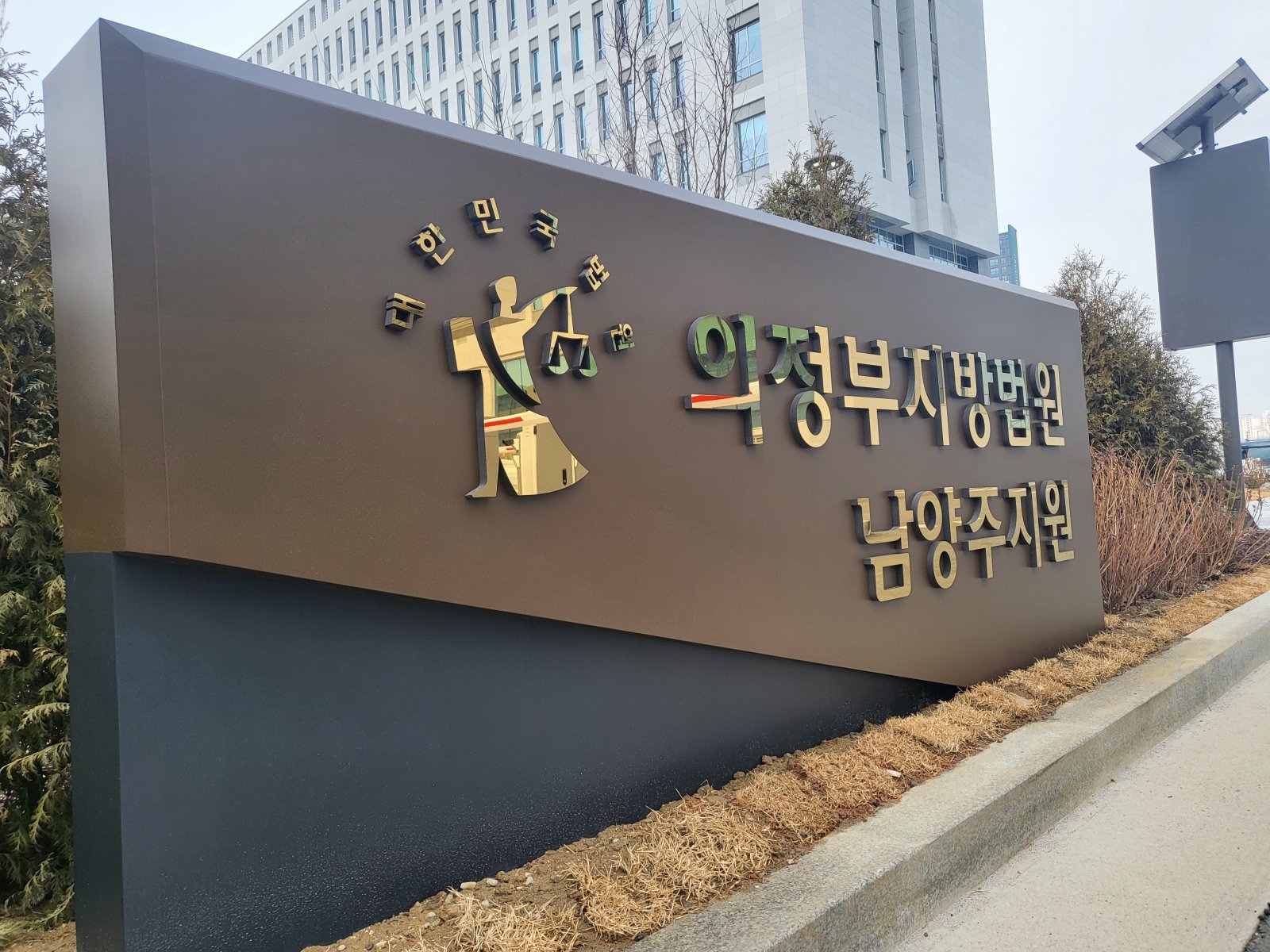
South Korea's CIO faces criticism for low prosecution rate; concerns rise over new CCIA
Translated from Korean, summarized and contextualized by DistantNews.
At a glance
Analysis
Named sources
Ongoing story
- South Korea's Corruption Investigation Office for High-ranking Officials (CIO) has faced criticism for its low prosecution rate despite a significant budget.
- Concerns are rising that the upcoming Counter Crime Investigation Agency (CCIA) may follow a similar path to the CIO, which was established as part of prosecutorial reform.
- Both institutions were launched under the banner of reform, but the CCIA's preparation process has drawn parallels to the CIO's troubled beginnings.
South Korea's Corruption Investigation Office for High-ranking Officials (CIO) is facing scrutiny for its perceived ineffectiveness. Launched in December 2020 by then-President Moon Jae-in as a cornerstone of prosecutorial reform, the CIO has struggled to justify its annual budget of approximately 20 billion won. In its over five years of operation, the office has averaged only one indictment per year, a figure that has drawn sharp criticism. The upcoming launch of the Counter Crime Investigation Agency (CCIA) on October 2nd has amplified these concerns. While the CCIA is designed to be a larger institution, focusing on seven major crime categories including corruption, economic crimes, and cyber offenses, it shares a common origin with the CIO: both were established as part of broader reform efforts aimed at restructuring the prosecution service. The CCIA's planned staff of 2,874 dwarfs the CIO's 85, highlighting a significant difference in scale. However, the preparation and early stages of the CCIA's development have led to comparisons with the CIO's own challenging rollout, fueling fears that the new agency might replicate the shortcomings of its predecessor. The article suggests a 'parallel theory' where the CCIA could become a 'second CIO,' raising questions about the effectiveness of these reform initiatives.
The Corruption Investigation Office for High-ranking Officials is the core of institutional reform of power. It is truly a historic event.
DistantNews Editorial
Originally published by Dong-A Ilbo in Korean. Translated, summarized, and contextualized by our editorial team with added local perspective. Read our editorial standards.
More Stories

From Our Blog

What Gets Lost (and Found) When News Is Translated

The Critical Role of Diaspora Media in Global News

What Travellers Should Know About Countries with Restricted Press

A Digital Nomad's Guide to Following Local News

How the Same Story Looks Different in Different Countries
