

South Korea's cremation rate hits 94%, but outdated funeral infrastructure needs urgent reform
Translated from Korean, summarized and contextualized by DistantNews.
At a glance
Opinion
Sources not specified
Context piece
- South Korea's cremation rate reached 94% in 2024, but funeral infrastructure has not kept pace with the shift from burial to cremation.
- Families face time and financial burdens due to insufficient cremation facilities, leading to delayed funerals and high costs for columbarium or natural burial sites.
- The government's funeral policy has focused on regulating burials rather than supporting the expansion and modernization of cremation and columbarium facilities.
Despite South Korea's cremation rate soaring to 94% in 2024, the nation's funeral infrastructure lags significantly behind the cultural shift from burial to cremation. This disparity leaves grieving families struggling with both time and financial pressures, as they face difficulties securing timely cremations and affordable sites for remains.
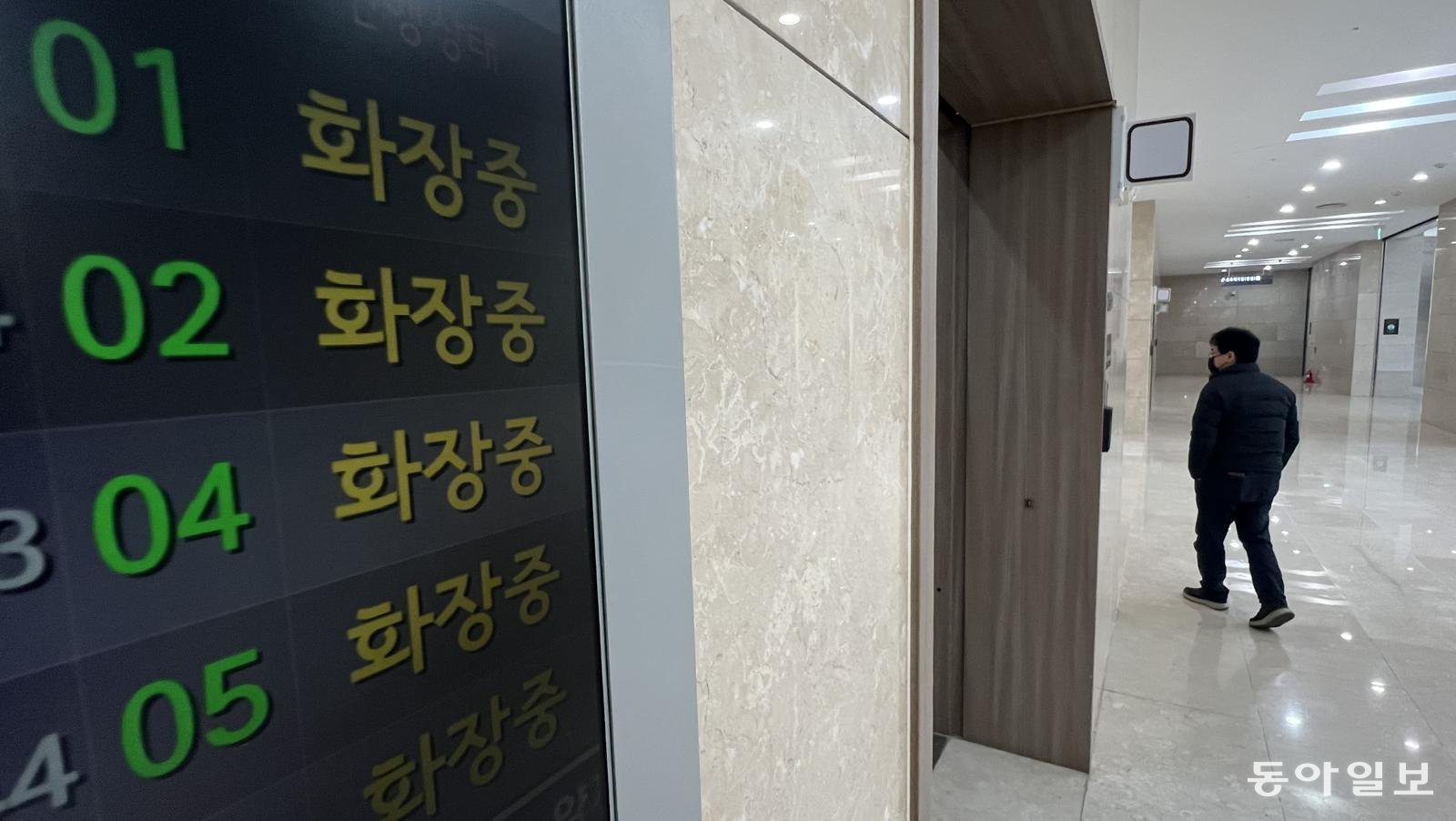
The cremation rate has quadrupled over the past three decades, moving away from a deeply rooted burial culture. However, the supporting facilities have not evolved commensurately. The proportion of cremations completed by the third day after death fell to 75.5% last year, indicating a shortage of cremation facilities. This scarcity is exacerbated by regional imbalances, with the Seoul metropolitan area having a capacity to handle only 89% of its deceased, while Jeonbuk province has a surplus capacity of 116%.
Consequently, residents in densely populated areas like Seoul often endure four-day or even six-day funerals, or resort to 'long-distance cremations' in other regions. Even after a successful cremation, families encounter further challenges in finding space in columbariums or natural burial grounds. Public columbariums and natural burial sites operated by local governments are nearly full, with public natural burial grounds expected to reach capacity within five to six years. Private facilities, meanwhile, come with substantial costs.
Experts suggest this disconnect stems from funeral policies that have historically prioritized regulating burials over promoting cremation. The 'Act on Funeral Services, etc.' continues to focus on outdated regulations for burials, such as plot sizes and installation periods, despite the vast majority of deaths now resulting in cremation. This neglect has led to cremation and columbarium facilities becoming outdated and often undesirable, with investments in modernization hindered by local opposition.
DistantNews Editorial
Originally published by Dong-A Ilbo in Korean. Translated, summarized, and contextualized by our editorial team with added local perspective. Read our editorial standards.
More Stories



From Our Blog

What Gets Lost (and Found) When News Is Translated

The Critical Role of Diaspora Media in Global News

What Travellers Should Know About Countries with Restricted Press

A Digital Nomad's Guide to Following Local News

How the Same Story Looks Different in Different Countries
