


South Korea's elderly population exceeds 20%, working-age population falls below 70% as foreign residents offset decline
Translated from Korean, summarized and contextualized by DistantNews.
At a glance
News
Official statement
New plan
- South Korea's total population saw a slight increase due to a rise in foreign residents, despite a decrease in its native population.
- The proportion of elderly citizens (65+) surpassed 20% for the first time, while the working-age population (15-64) fell below 70%.
- The country faces a demographic challenge with a rapidly aging population and low birthrate, leading to a significant increase in the old-age dependency ratio.
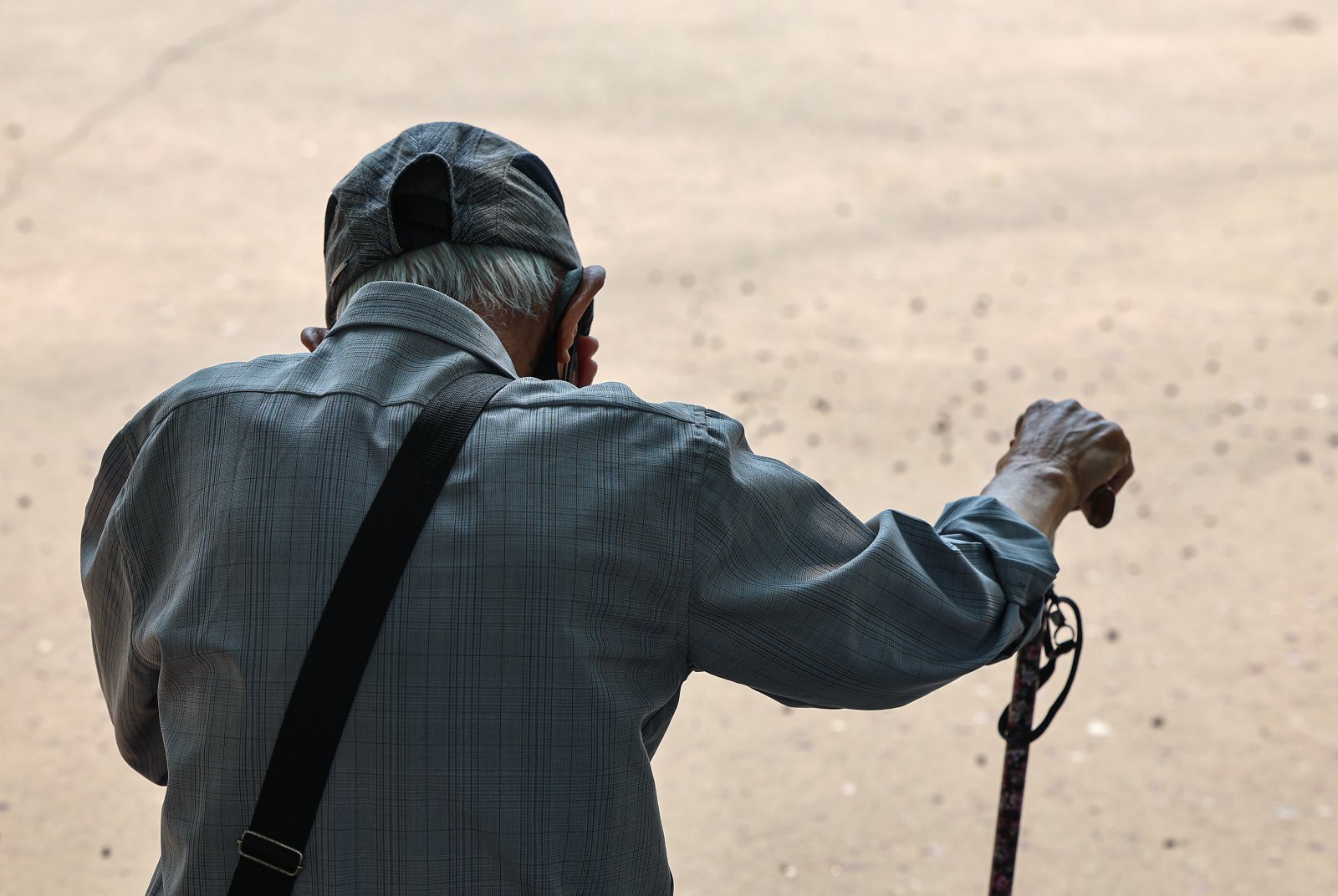
South Korea's population is undergoing a dramatic shift, with the proportion of citizens aged 65 and over exceeding 20% for the first time, according to the latest census data. This milestone highlights the nation's rapid aging and declining birthrate, which have led to a decrease in the native population.
Despite a drop of over 54,000 South Koreans, the total population managed a marginal increase of 12,000 to reach 51.81 million. This growth is attributed to a surge of nearly 66,000 foreign residents, bringing their total to over 2.1 million and accounting for 4.1% of the population. The influx of foreigners, particularly students and seasonal workers, has helped fill labor shortages caused by the declining native workforce.
The demographic imbalance is starkly illustrated by the working-age population (15-64), which has fallen below 70% for the first time since 2018. This group now numbers 35.87 million, a decrease of 393,000 from the previous year. The old-age dependency ratio, which measures the number of elderly dependents per 100 working-age individuals, has risen to 29.9, indicating a growing burden on the shrinking workforce.
Regional disparities are also pronounced, with 224 out of 229 administrative districts reporting more elderly residents than children. The aging trend is evident nationwide, with the median age of the population climbing to 46.8 years. Meanwhile, the trend of delayed marriage continues, with over 54% of those aged 30 remaining unmarried, and single-person households reaching a record high, largely driven by an increase in elderly individuals living alone.
DistantNews Editorial
Originally published by Dong-A Ilbo in Korean. Translated, summarized, and contextualized by our editorial team with added local perspective. Read our editorial standards.
More Stories


From Our Blog

What Gets Lost (and Found) When News Is Translated

The Critical Role of Diaspora Media in Global News

What Travellers Should Know About Countries with Restricted Press

A Digital Nomad's Guide to Following Local News

How the Same Story Looks Different in Different Countries
