


South Korea's May Exports Hit Record High, Driven by Semiconductors; Annual Trade Surplus Record Broken
Translated from Korean and summarized by DistantNews. Read the original for the full story.
At a glance
News
Official statement
Context piece
- South Korea's exports surged 53.2% year-on-year in May, reaching a record $87.8 billion, driven by a boom in semiconductor shipments.
- The cumulative trade surplus for January-May exceeded $101.9 billion, surpassing the previous annual record.
- While semiconductor and IT exports soared, automobile exports declined due to supply chain and logistical issues.
South Korea's export engine roared to a record high in May, with shipments reaching nearly $87.8 billion, a 53.2% increase from the previous year. This surge, the third consecutive month exceeding $80 billion, was primarily fueled by a massive 169.4% jump in semiconductor exports, which hit a new monthly record of $37.16 billion. The booming demand for AI servers from major U.S. tech companies significantly boosted sales of memory chips like DRAM and NAND, alongside other IT components such as solid-state drives for AI servers.
This export success has propelled the nation's trade surplus to unprecedented levels. The surplus for January-May alone reached $101.91 billion, shattering the previous annual record of $95.2 billion set in 2017. While semiconductors and related IT products like computers and wireless communication devices showed strong performance, other sectors faced headwinds. Automobile exports saw a 5.9% decrease, attributed to factors including fewer working days, temporary parts supply disruptions from a domestic fire, logistical challenges stemming from the U.S.-Israel conflict, and increased local production in the U.S. due to tariffs.
Amid rising oil prices due to the Middle East war, imports increased, but exports showed higher growth rates, led by IT products including semiconductors and promising consumer goods like cosmetics and agricultural/fishery products.
Petroleum product exports also increased by 46.6%, largely due to higher global oil prices, although export volumes decreased. Similarly, petrochemical exports rose 11.1%, but volumes were down as domestic supply took priority. Regionally, exports to China and the U.S. saw substantial growth of 80.9% and 59.1% respectively, largely due to the semiconductor boom. However, exports to the Middle East declined by 7.7% amid logistical disruptions caused by regional conflicts.
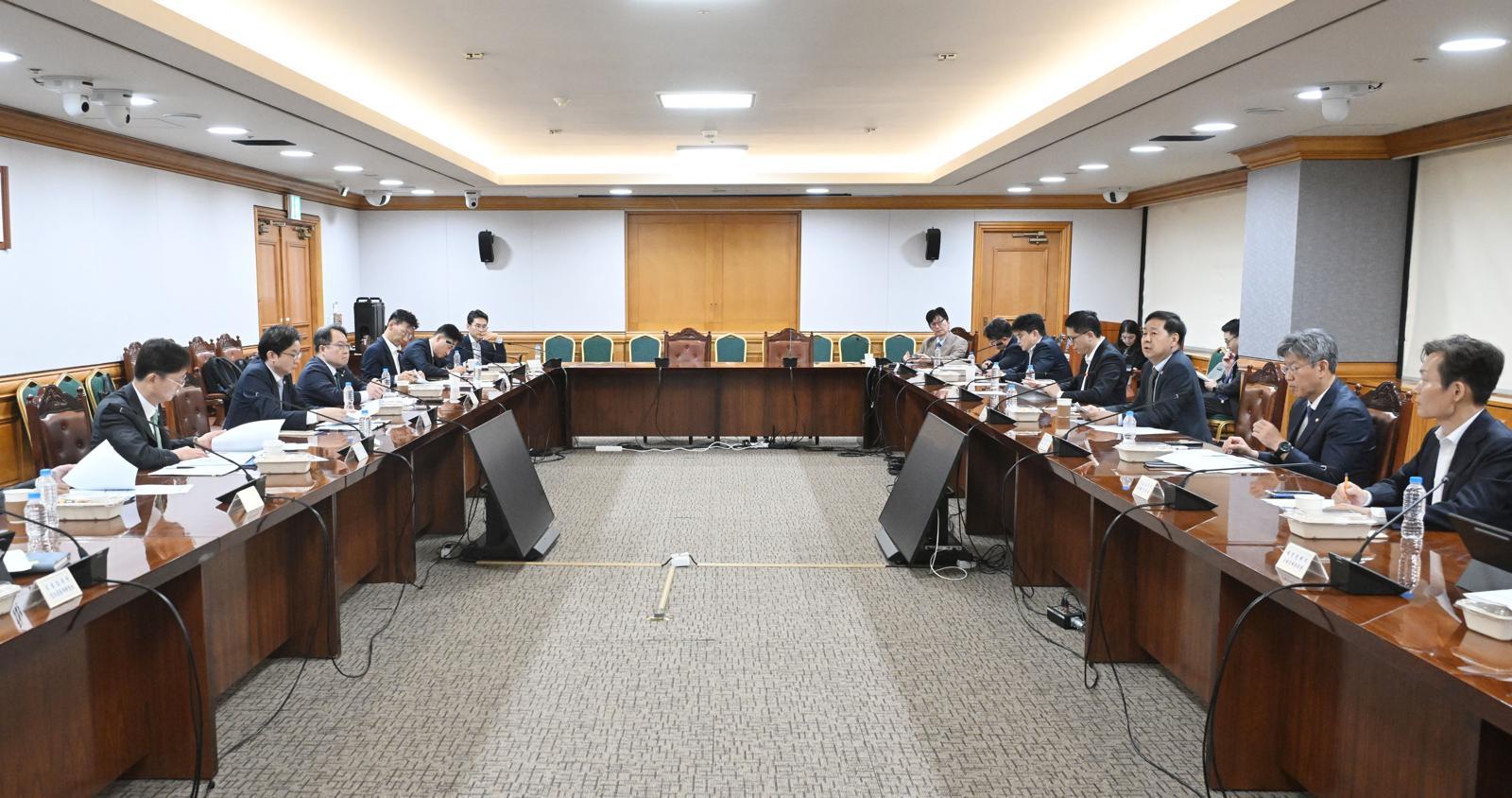
Imports also rose 20.8% to $60.8 billion, primarily driven by increased energy costs. Despite higher oil prices pushing up crude oil import costs by 25%, the robust growth in exports resulted in a significant trade surplus of $26.95 billion for May. Minister of Trade, Industry and Energy Kim Keon-jung acknowledged the positive results but cautioned about ongoing uncertainties in the global trade environment, including the Middle East conflict and potential trade policies from the U.S. and EU, vowing to support businesses through stable resource imports and supply chain management.
Uncertainties in the trade environment remain, such as the end of the Middle East war, U.S. tariffs, and the EU's tariff rate quota (TRQ) for steel. We will actively support companies' production and export activities by stably importing key imported raw materials like crude oil and naphtha and checking supply chains.
About this summary
Originally published by Hankyoreh in Korean. Translated, summarized, and contextualized automatically by DistantNews, with a note on how the source frames the story. Not individually reviewed before publishing. How this works.
More Stories


From Our Blog

News in Translation: What Gets Lost, and How We Keep the Framing

Diaspora Media: How Communities Abroad Follow Home

Traveling Where the Press Is Not Free: How to Read the News There

The Digital Nomad's Guide to Local News

The Same Story, Different Countries: How Coverage Changes at the Border
