


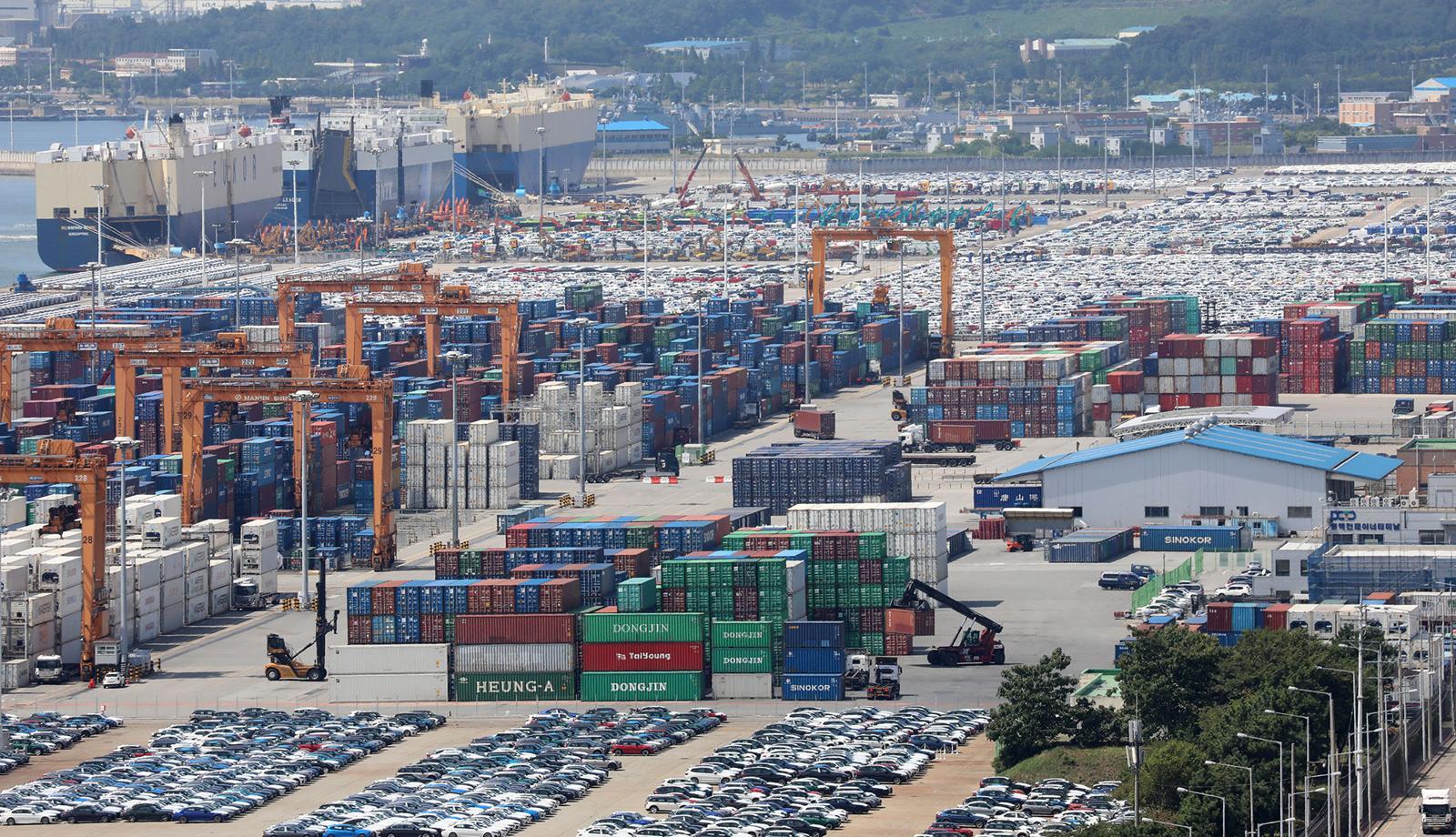
South Korea's Potential Growth Rate Plummets: Structural Reforms Urgently Needed
Translated from Korean, summarized and contextualized by DistantNews.
TLDR
- South Korea's potential growth rate is projected to fall to 1.7% this year and 1.6% next year, marking a 15-year decline.
- Despite a recent 'surprise growth' in Q1, structural reforms are needed to reverse the downward trend.
- The economy's reliance on a few large companies and specific industries like semiconductors is unsustainable.
The Dong-A Ilbo (South Korea) editorial laments the persistent decline in South Korea's potential growth rate, framing it as a critical indicator of the nation's weakening economic fundamentals. The article expresses concern that despite a recent uptick in growth, the underlying structural issues remain unaddressed, jeopardizing the country's long-term economic health.
The editorial highlights the stark contrast between South Korea's past economic dynamism and its current trajectory. It notes that the potential growth rate has fallen from double the OECD average to merely meeting the average, and is now even projected to be surpassed by the United States. This decline is attributed to a combination of factors, including a shrinking labor force due to low birth rates and an aging population, coupled with a lack of progress in crucial structural reforms in areas like public education and labor markets.
From a South Korean perspective, the article emphasizes the urgency of implementing deep-seated structural reforms. It criticizes the current economic model, which relies heavily on a few large conglomerates and specific export-oriented industries like semiconductors, describing it as an "outrigger growth engine" nearing its limits. The editorial calls for a strategic shift towards fostering next-generation industries such as AI and defense, as well as developing high-value service sectors like healthcare and finance, to create quality jobs and stimulate investment. The piece concludes with a strong call for action, urging the government to demonstrate tangible results through concrete reforms and deregulation, rather than relying on mere rhetoric.
DistantNews Editorial
Originally published by Dong-A Ilbo in Korean. Translated, summarized, and contextualized by our editorial team with added local perspective. Read our editorial standards.
More Stories


From Our Blog

What Gets Lost (and Found) When News Is Translated

The Critical Role of Diaspora Media in Global News

What Travellers Should Know About Countries with Restricted Press

A Digital Nomad's Guide to Following Local News

How the Same Story Looks Different in Different Countries
