

South Korea's RIA Account Scheme Sees High Uptake, Limited Impact So Far
Translated from Korean, summarized and contextualized by DistantNews.
TLDR
- South Korea launched the RIA account scheme to encourage domestic stock investment and stabilize the exchange rate, attracting over 140,000 accounts in less than a month.
- Despite the high account numbers, the actual inflow of funds and impact on the exchange rate remain limited.
- Analysts suggest that recent currency fluctuations are more influenced by external geopolitical factors than the RIA scheme's effectiveness.
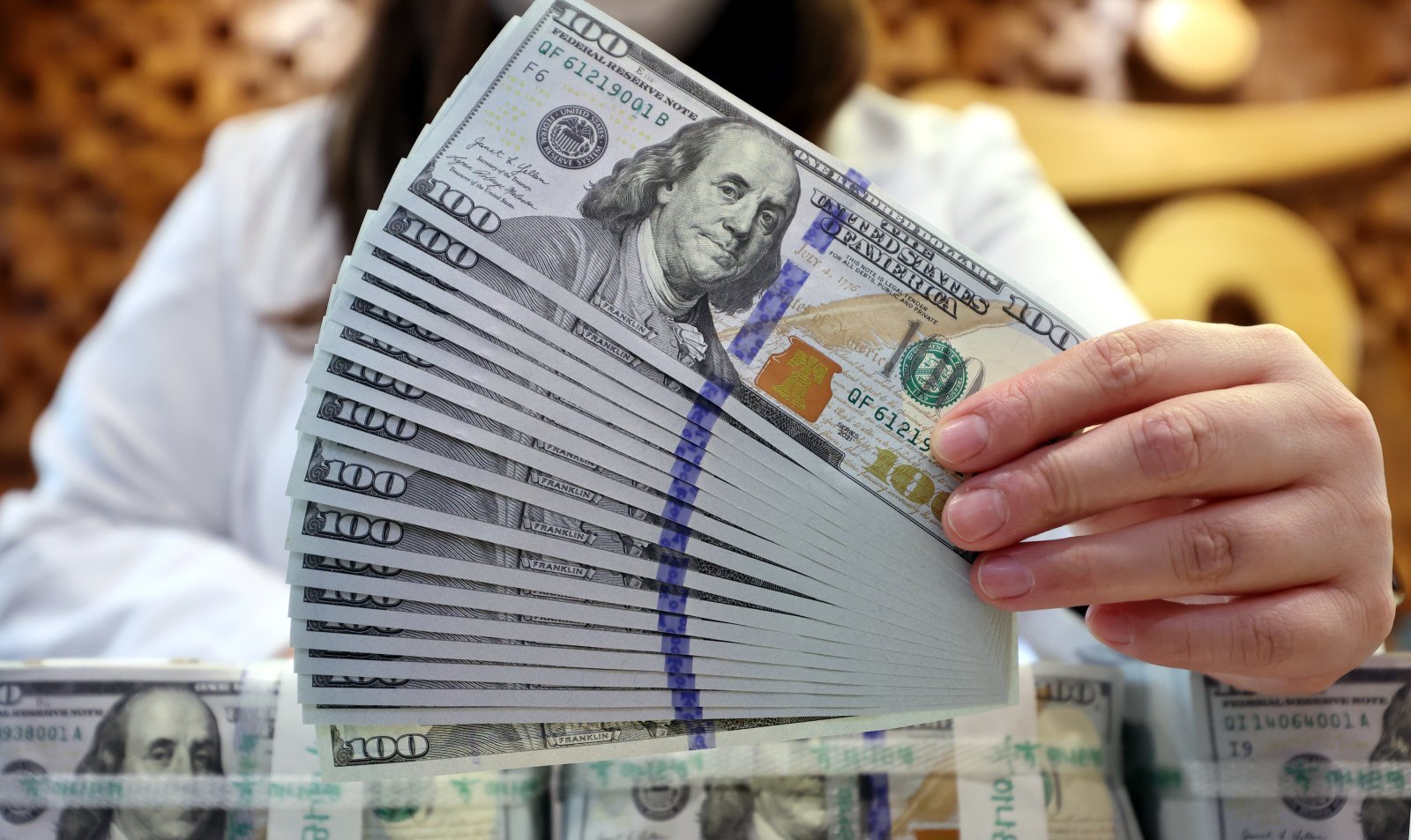
South Korea's government introduced the Return to Investment Account (RIA) scheme with the aim of stemming the outflow of domestic capital and stabilizing the volatile exchange rate. The initiative, which offers tax benefits for selling overseas stocks to invest in the domestic market, has seen a surge in account openings, surpassing 140,000 within its first month. This rapid uptake suggests a strong interest among investors in leveraging the offered incentives.
However, the tangible effects of the RIA scheme on capital flow and currency stabilization are yet to be fully realized. Data indicates that the net selling of U.S. stocks by Korean investors has slowed, but this shift is not substantial enough to be considered a significant reversal of capital. Furthermore, the average balance per RIA account remains well below the maximum deposit limit, suggesting that many investors are opening accounts speculatively or are waiting for clearer market signals before committing substantial funds.
Market observers and industry insiders express skepticism about the RIA's current impact, attributing the recent stabilization of the won primarily to external geopolitical events, such as tensions in the Middle East, rather than the scheme itself. The limited volume of foreign currency stock sales converted to Korean won through RIA accounts, representing a small fraction of the daily foreign exchange market, further underscores its marginal influence. While the RIA scheme represents a government effort to manage economic pressures, its effectiveness appears constrained by broader international market dynamics and investor caution.
DistantNews Editorial
Originally published by Dong-A Ilbo in Korean. Translated, summarized, and contextualized by our editorial team with added local perspective. Read our editorial standards.
More Stories



From Our Blog

What Gets Lost (and Found) When News Is Translated

The Critical Role of Diaspora Media in Global News

What Travellers Should Know About Countries with Restricted Press

A Digital Nomad's Guide to Following Local News

How the Same Story Looks Different in Different Countries
