

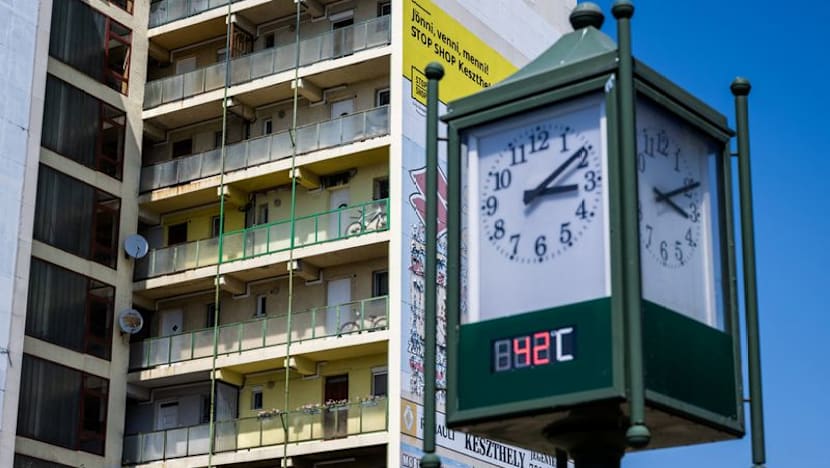

South Korea's south enters rainy season amid heat in Seoul
Translated from English, summarized and contextualized by DistantNews.
At a glance
News
From a news agency
Ongoing story
- South Korea's southern regions officially entered the annual rainy season on July 1, experiencing heavy downpours.
- Seoul and central parts of the country, however, remain hot and humid, with daytime temperatures around 33 degrees Celsius.
- The Korea Meteorological Administration is monitoring the rain front's movement to determine the start of the rainy season in central Korea, noting that this year's monsoon began later than usual.
The annual rainy season has commenced in South Korea's southern regions as of July 1, bringing significant rainfall to the area. However, the capital, Seoul, and other central parts of the country are currently outside the influence of the seasonal rain front, experiencing continued hot and humid weather.
Forecasters at the Korea Meteorological Administration (KMA) predict that the southern regions could see downpours of up to 30 millimeters per hour, with the possibility of heavy rain advisories being issued. Meanwhile, Seoul and central Korea are expected to have mostly cloudy skies, occasional afternoon showers, and muggy conditions, with daytime highs reaching approximately 33 degrees Celsius.
The KMA has stated that it is too early to confirm when the rainy season will officially begin in central Korea. The movement of the rain front remains uncertain, and its track will determine if it extends northward to affect the capital region. This year's monsoon onset has been later than the average, attributed to cold, dry air from the north delaying the formation of the seasonal rain front.
Historically, based on the 1991-2020 average, the monsoon typically starts around June 19 on Jeju Island, June 23 in the southern region, and June 25 in the central region. The delayed start this year highlights the variability in weather patterns.
DistantNews Editorial
Originally published by The Straits Times in English. Translated, summarized, and contextualized by our editorial team with added local perspective. Read our editorial standards.
More Stories


From Our Blog

What Gets Lost (and Found) When News Is Translated

The Critical Role of Diaspora Media in Global News

What Travellers Should Know About Countries with Restricted Press

A Digital Nomad's Guide to Following Local News

How the Same Story Looks Different in Different Countries
