

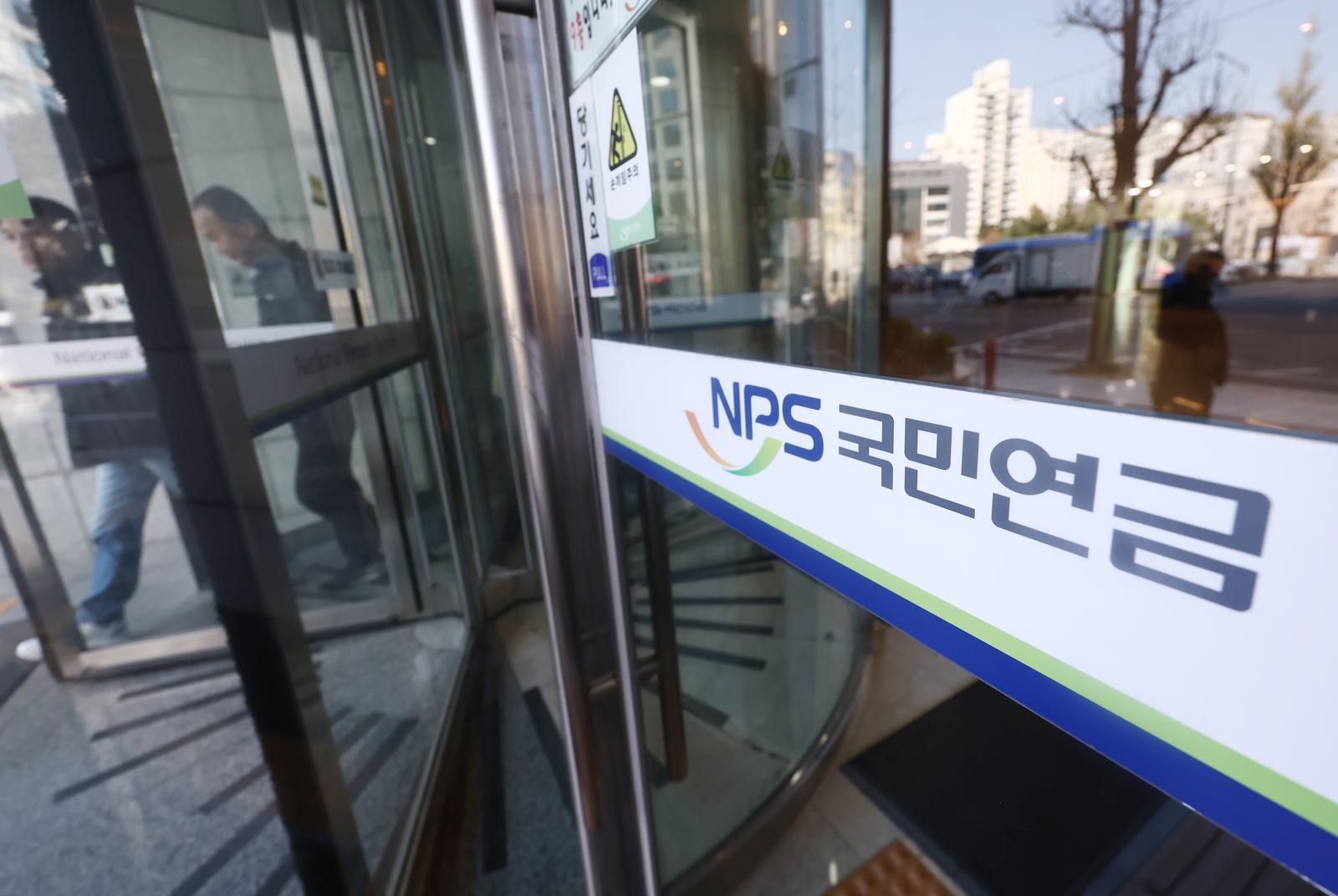
South Korea's Survivor Pension Benefits Fall Below Minimum Living Standards
Translated from Korean, summarized and contextualized by DistantNews.
At a glance
News
Documents & data
New plan
- South Korea's National Pension survivor benefits are insufficient, averaging around 350,000 won ($250) monthly.
- This amount falls short of the minimum living cost for a single-person household, leaving over half of recipients in relative poverty.
- Proposed reforms include extending credited contribution periods and increasing benefit payout rates to address the inadequacy.
Survivor benefits from South Korea's National Pension system are falling significantly short of providing basic financial security for bereaved families. In 2024, the average monthly payout for all survivor benefit recipients was approximately 354,044 won ($253). For the 85.4% of recipients who rely solely on survivor benefits, the average was slightly higher at 363,133 won ($260).
These amounts are less than half of the minimum living cost for a single-person household, which is around 630,000 won ($450). The data reveals that a staggering 66.7% of recipients receive between 200,000 and 400,000 won per month. This financial strain places more than half of recipient households below the poverty line, defined as having an income less than 50% of the median income.
The primary reason for the low benefit levels is the short contribution period by the deceased breadwinners. The average contribution period for sole survivor benefit recipients in 2024 was only about 13 years. Survivor benefits are calculated as a percentage of the basic pension, ranging from 40-50% for less than 20 years of contributions and up to 60% for 20 years or more. This structure means many beneficiaries do not qualify for higher payout rates.
Researchers have proposed several reforms to address this inadequacy. These include expanding the system to grant additional credited periods even for shorter actual contribution durations and uniformly increasing the benefit payout rates. Additionally, introducing supplementary benefits for vulnerable survivor households has been suggested as an external measure.
DistantNews Editorial
Originally published by Dong-A Ilbo in Korean. Translated, summarized, and contextualized by our editorial team with added local perspective. Read our editorial standards.
More Stories


From Our Blog

What Gets Lost (and Found) When News Is Translated

The Critical Role of Diaspora Media in Global News

What Travellers Should Know About Countries with Restricted Press

A Digital Nomad's Guide to Following Local News

How the Same Story Looks Different in Different Countries
