


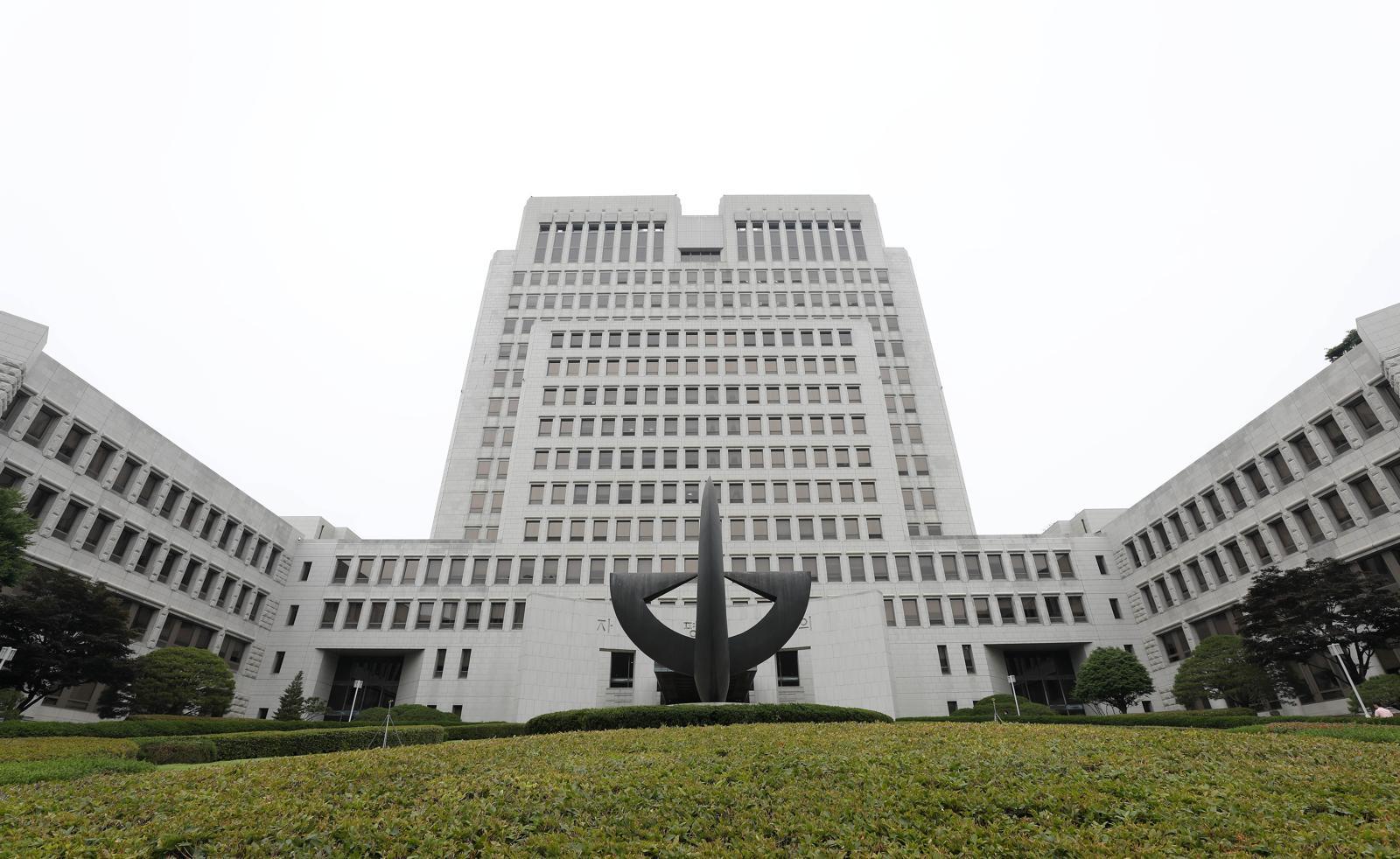
South Korea's top court comments on prosecutor investigation rights
Translated from Korean, summarized and contextualized by DistantNews.
At a glance
News
Official statement
New plan
- South Korea's Supreme Court has issued its first opinion on abolishing prosecutors' supplementary investigation rights.
- The court stated that while it's a legislative policy matter, sufficient complementary measures are needed to prevent side effects.
- The court also expressed support for allowing conditional release during bail decisions and for a pre-trial review of search warrants.
South Korea's Supreme Court has officially weighed in on the proposed abolition of prosecutors' supplementary investigation rights, marking the first time the judiciary has formally commented on the matter. In an opinion submitted to the National Assembly, the court stated that the decision rests with legislative policy but emphasized the critical need for robust complementary measures to mitigate potential negative consequences.
The court's stance comes in response to proposed amendments to the Criminal Procedure Act, put forth by lawmakers from the ruling and opposition parties. While the court did not take a definitive stance for or against the abolition itself, its call for thorough safeguards signals a cautious approach to altering the existing legal framework. The supplementary investigation rights have been a point of contention, with proponents arguing for a more balanced investigative process and opponents concerned about potential disruptions to prosecutorial functions.
In related matters, the Supreme Court's Judicial Administration Office expressed support for allowing courts to impose "conditional release" when issuing arrest warrants. The court believes this could help correct the misconception that detention is equivalent to punishment and shift the focus of criminal justice towards the main trial rather than just the warrant stage. Additionally, the court approved the introduction of a pre-trial review procedure for search warrants, a move aimed at enhancing judicial oversight.
However, the court voiced reservations about a proposal to establish an "indictment deliberation committee" within district courts to review the appropriateness of indictments. The court argued that the appropriateness of indictments can already be reviewed through trials, and decisions not to indict can be challenged through 재정신청 (reconsideration requests). The court expressed concern that operating such a committee could potentially influence ongoing trials and therefore requires careful consideration.
DistantNews Editorial
Originally published by Dong-A Ilbo in Korean. Translated, summarized, and contextualized by our editorial team with added local perspective. Read our editorial standards.
More Stories



From Our Blog

What Gets Lost (and Found) When News Is Translated

The Critical Role of Diaspora Media in Global News

What Travellers Should Know About Countries with Restricted Press

A Digital Nomad's Guide to Following Local News

How the Same Story Looks Different in Different Countries
