


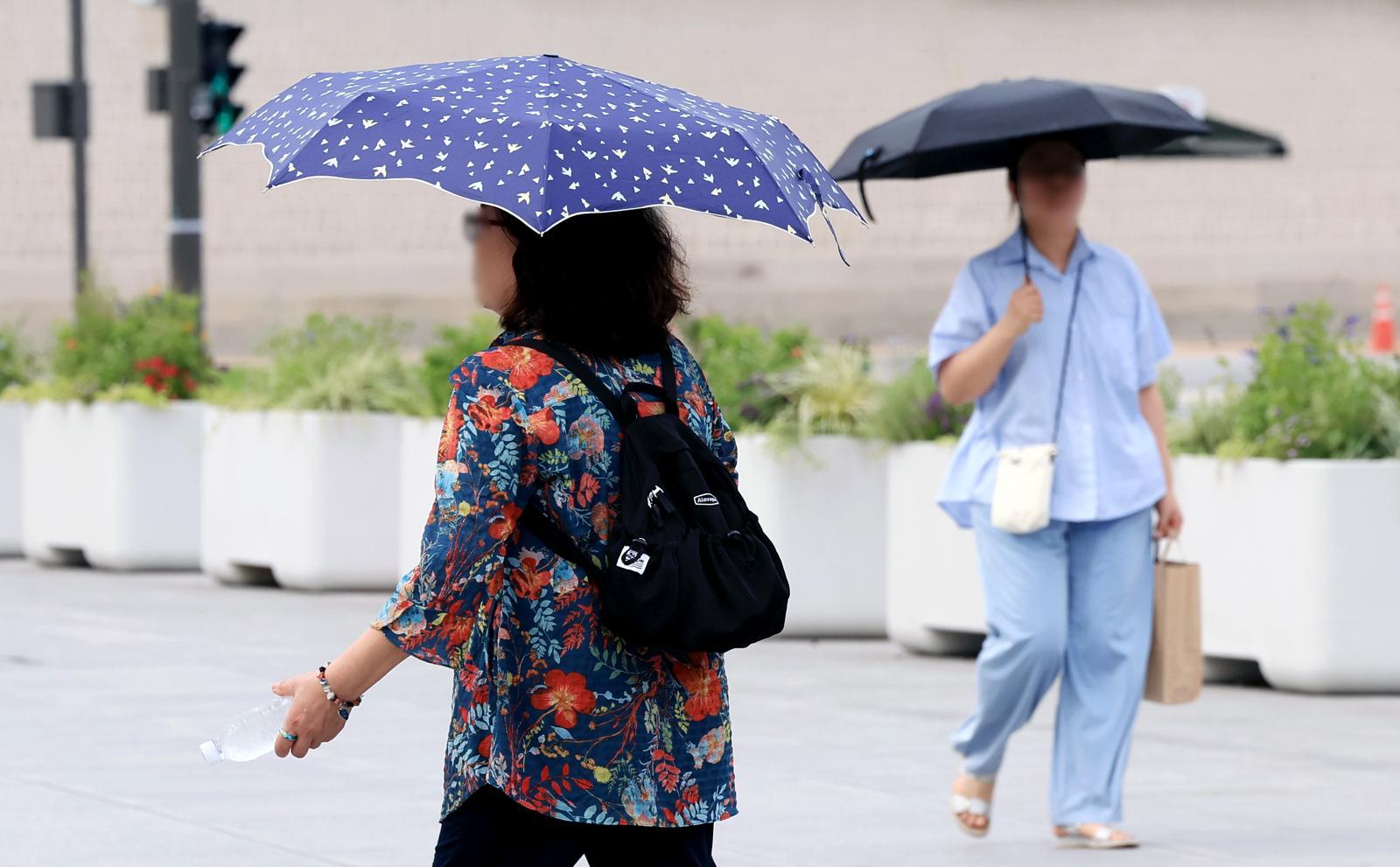
South Korea's Yangsan breaks highest temperature record again
Translated from Korean, summarized and contextualized by DistantNews.
At a glance
News
Sources not specified
Ongoing story
- Yangsan, South Korea, recorded a new highest temperature of 41.6 degrees Celsius on August 1, breaking the previous day's record.
- This marks the fourth consecutive day Yangsan has exceeded 40 degrees Celsius, setting a new record for sustained high temperatures.
- Weather authorities are urging residents to take precautions against heatstroke due to the prolonged heatwave.
South Korea is experiencing an unprecedented heatwave, with the city of Yangsan setting a new all-time temperature record of 41.6 degrees Celsius on August 1. This surpasses the previous record of 41.4 degrees Celsius set just the day before, highlighting the extreme and rapidly intensifying nature of the current heat.
Yangsan has now endured four consecutive days with temperatures exceeding 40 degrees Celsius, a duration of extreme heat never before recorded in the country based on official climate statistics. This sustained period of intense heat is a cause for significant concern among meteorologists and public health officials.
The timing of the daily peak temperatures is also shifting earlier, with the 40-degree mark being crossed by midday. On August 1, Yangsan surpassed 40 degrees Celsius by 12:14 PM, compared to 12:36 PM on July 31 and 1:10 PM on July 30. This trend suggests the heat is becoming more oppressive throughout the day.
While the current records are based on 97 key climate observation points, including automatic weather stations, the intensity of the heat is undeniable. Weather authorities are issuing strong warnings, advising the public to limit outdoor activities, stay hydrated, and take frequent breaks to prevent heat-related illnesses. The prolonged and record-breaking temperatures pose a serious risk to public health and infrastructure.
DistantNews Editorial
Originally published by Dong-A Ilbo in Korean. Translated, summarized, and contextualized by our editorial team with added local perspective. Read our editorial standards.
More Stories


From Our Blog

What Gets Lost (and Found) When News Is Translated

The Critical Role of Diaspora Media in Global News

What Travellers Should Know About Countries with Restricted Press

A Digital Nomad's Guide to Following Local News

How the Same Story Looks Different in Different Countries
