


South Korea Selects New Nuclear Power Plant Sites After 14-Year Gap
Translated from Korean, summarized and contextualized by DistantNews.
At a glance
Analysis
Sources not specified
New plan
- South Korea has selected Gyeongju in North Gyeongsang Province as a candidate site for two large-scale nuclear reactors and Gijang in Busan for its first commercial small modular reactor (SMR).
- This marks the first site selection for new nuclear power plants in 14 years, with actual construction of a new plant not occurring in 24 years.
- The move aims to meet surging electricity demand driven by industries like semiconductors and AI, and to revitalize the domestic nuclear industry.
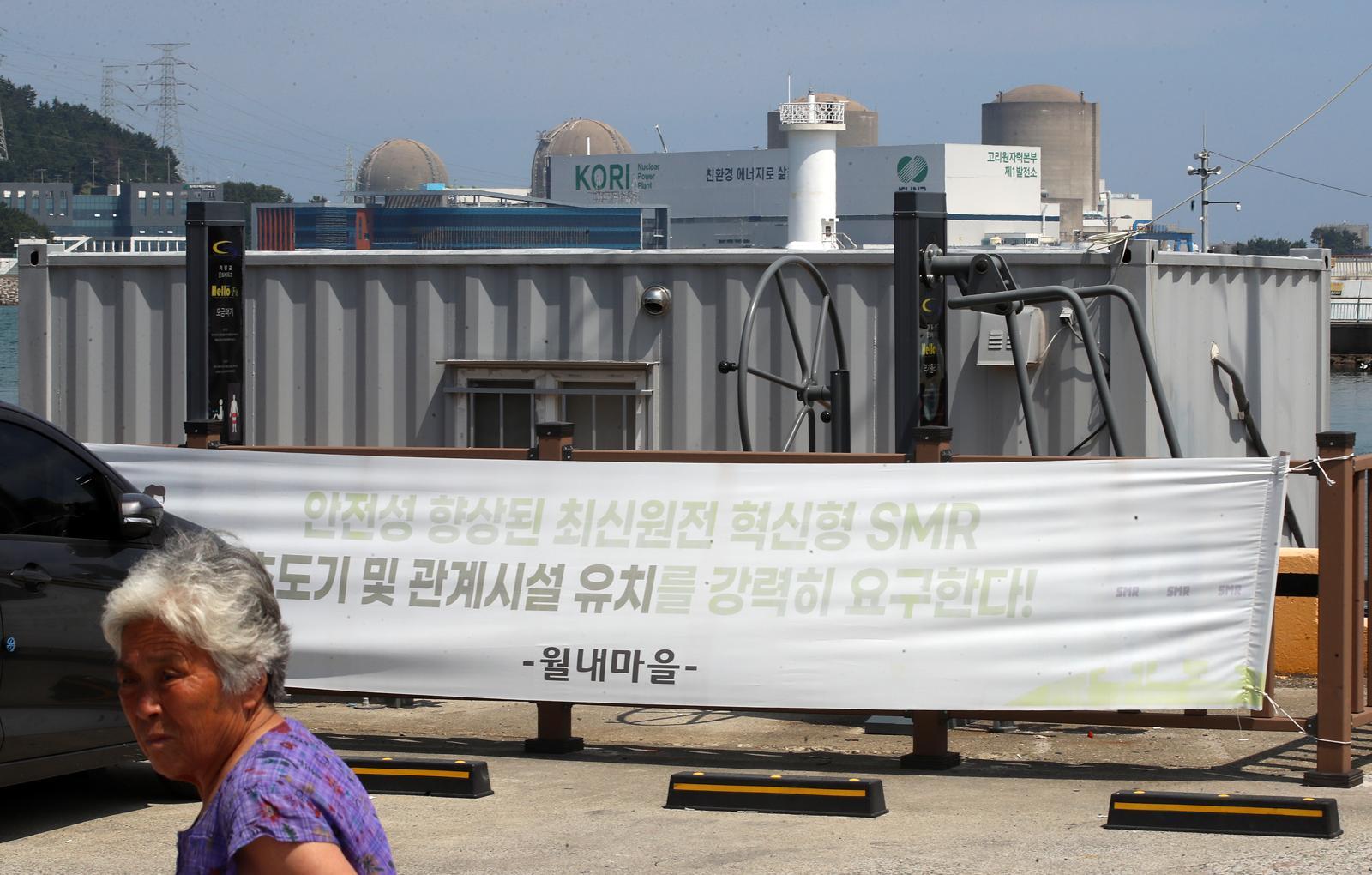
South Korea has designated Gyeongju in North Gyeongsang Province as a candidate site for two large-scale nuclear reactors and Gijang in Busan for its first commercial small modular reactor (SMR). This decision, reflecting the 11th Basic Plan for Electricity Supply and Demand, marks a significant step in resuming nuclear power plant construction after a long hiatus.
This is the first site selection for new nuclear power plants in 14 years, and the first actual construction of a new plant in 24 years, since the Shin Hanul plant in 2002. The resurgence in nuclear energy is driven by the explosive growth in electricity demand fueled by industries such as semiconductors and artificial intelligence (AI).
The two large reactors planned for Gyeongju will each have a capacity of 1.4 GW, capable of powering 6 million households simultaneously, with completion targeted for 2037 and 2038. The 0.7 GW SMR in Gijang is scheduled to begin operation in 2035. The selected regions anticipate economic benefits, including subsidies, job creation, and local economic revitalization, while the domestic nuclear industry, facing a shortage of work, is expected to receive a much-needed boost.
The new nuclear power plant construction is a breakthrough that fills the 14-year gap.
The path to site selection was not without challenges. Gyeongju was previously designated as a site for the Cheonji nuclear power plant in 2012, but the project was canceled in 2017 due to the government's nuclear phase-out policy. The current revival is a dramatic turnaround, spurred by the inclusion of new nuclear plant construction in the 11th Basic Plan for Electricity Supply and Demand, confirmed by a cross-party agreement last February.
Public opinion has also shifted, with a January poll showing 89.5% of South Koreans acknowledging the necessity of nuclear power and 69.6% supporting the continuation of new plant plans. Despite these positive steps, significant challenges remain. Streamlining administrative procedures like licensing is crucial to shorten construction timelines and meet the escalating power demand. Furthermore, expanding the transmission grid is an urgent priority to prevent situations where completed plants cannot operate at full capacity due to insufficient power lines. The article concludes by emphasizing the need for consistent and swift progress in nuclear and grid expansion, based on close communication with local residents and robust safety measures, to ensure stable power supply, which is vital for national security and industrial competitiveness.
The need for nuclear power is recognized by 89.5% of the public.
DistantNews Editorial
Originally published by Dong-A Ilbo in Korean. Translated, summarized, and contextualized by our editorial team with added local perspective. Read our editorial standards.
More Stories


From Our Blog

What Gets Lost (and Found) When News Is Translated

The Critical Role of Diaspora Media in Global News

What Travellers Should Know About Countries with Restricted Press

A Digital Nomad's Guide to Following Local News

How the Same Story Looks Different in Different Countries
