


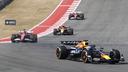
South Korea Set for Formula 1 Return in 2028 with Incheon Street Circuit
Translated from Croatian, summarized and contextualized by DistantNews.
TLDR
- South Korea is set to rejoin the Formula 1 calendar in 2028 with a street circuit planned in the city of Incheon.
- The country previously hosted F1 races in Yeongam from 2010 to 2013 but withdrew due to financial reasons and a lack of local interest.
- Promoters aim to make the new Incheon Grand Prix financially viable and integrate it with South Korea's 'K-culture' to boost tourism and infrastructure.
Seoul, South Korea – The roar of Formula 1 engines is set to echo through South Korea once again, with confirmation that the nation will rejoin the prestigious racing calendar in 2028. This return, centered around a planned street circuit in the vibrant port city of Incheon, marks a significant ambition for the country's sporting and cultural landscape.
It is quite possible to combine Formula 1 Grand Prix races, which have become spectacles, with K-culture.
South Korea's previous stint hosting the F1 Grand Prix in Yeongam, from 2010 to 2013, ended prematurely despite an existing contract. Financial constraints and a perceived lack of public enthusiasm led to its withdrawal. However, the new bid, spearheaded by Incheon promoters, emphasizes a different approach. They project financial viability and envision a spectacle inspired by successful street circuits like Singapore and Las Vegas, capable of drawing an estimated 400,000 spectators.
A key element of the Incheon bid is the strategic integration of 'K-culture' – the global phenomenon encompassing K-pop, Korean film, and other cultural exports. Promoters believe that combining high-octane racing with cultural events, featuring international artists, can significantly elevate Incheon's cultural and tourism infrastructure to world-class standards. This synergy is seen as a powerful tool for soft power projection, leveraging the global appeal of Korean entertainment to enhance the F1 event's attractiveness and economic impact.
We intend to organize cultural events, inviting international artists, for example, to raise the cultural and tourist infrastructure of Incheon to international standards.
From a South Korean perspective, this return to Formula 1 is more than just a sporting event. It's an opportunity to showcase the nation's technological prowess, its dynamic urban centers, and its globally influential culture. Unlike the previous attempt, the focus on a city circuit and the deliberate fusion with K-culture suggest a more sophisticated, internationally-minded strategy. This initiative reflects South Korea's broader ambition to be a leading global player, not just in technology and entertainment, but also in hosting major international sporting spectacles. The success of this venture could significantly boost tourism and solidify Incheon's status as a major international hub.
South Korea was the host of four Formula 1 Grand Prix races between 2010 and 2013 in Yeongam, but the country, home to car manufacturers Hyundai and Kia, withdrew due to financial reasons and a lack of local public interest, despite a contract that lasted until 2016.
DistantNews Editorial
Originally published by Večernji List in Croatian. Translated, summarized, and contextualized by our editorial team with added local perspective. Read our editorial standards.
More Stories

From Our Blog

What Gets Lost (and Found) When News Is Translated

The Critical Role of Diaspora Media in Global News

What Travellers Should Know About Countries with Restricted Press

A Digital Nomad's Guide to Following Local News

How the Same Story Looks Different in Different Countries
