


South Korea Targets September for Fifth Nuri Rocket Launch, Eyes Commercial Future
Translated from Korean, summarized and contextualized by DistantNews.
At a glance
News
Sources not specified
Context piece
- South Korea aims to launch its homegrown Nuri rocket for its fifth mission in September.
- The country plans to increase launch frequency to 2-3 times annually after 2030, but requires system upgrades.
- Future plans include building a second space center and developing reusable launch vehicles by the mid-2030s.
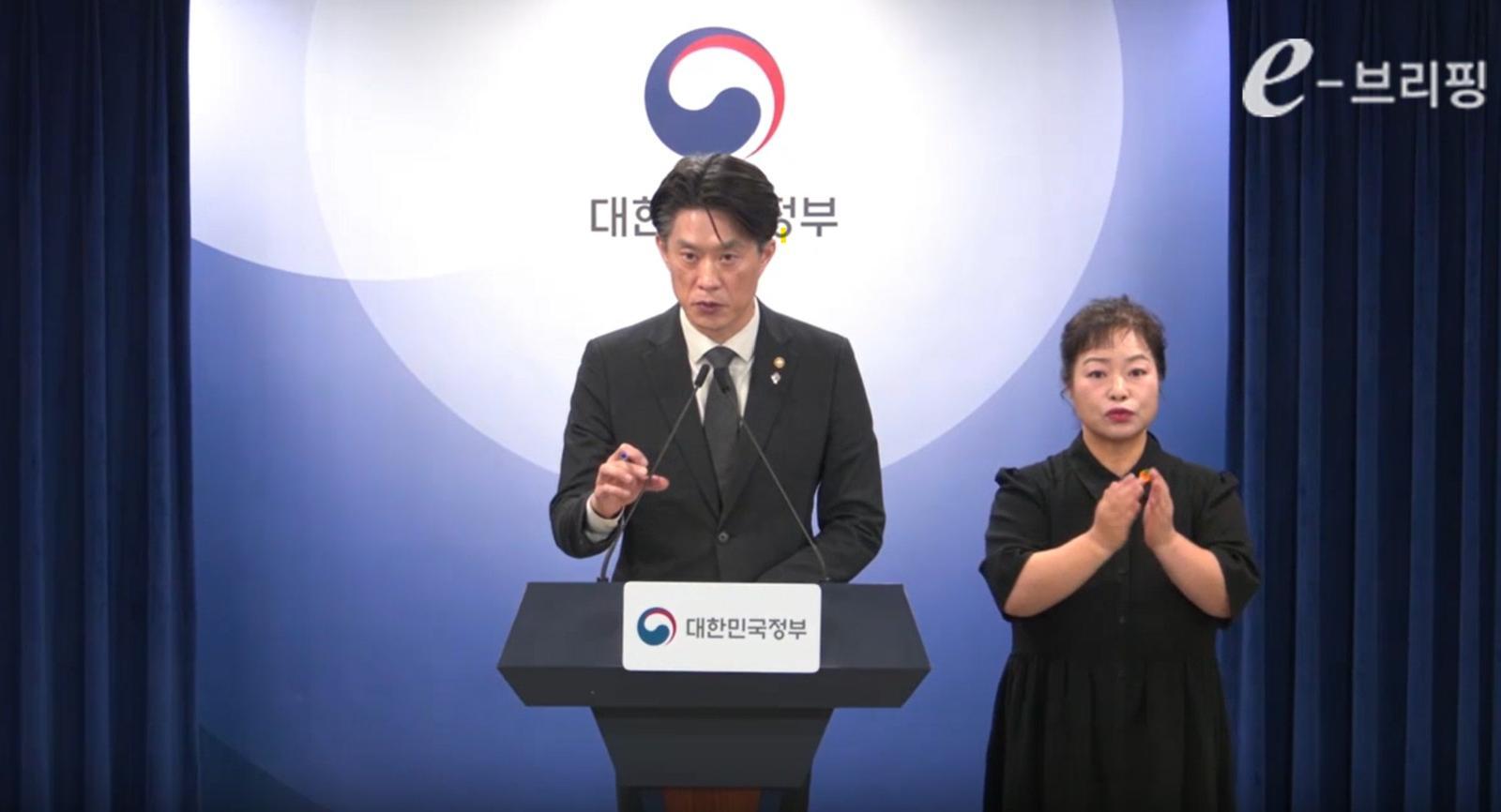
South Korea is targeting September for the fifth launch of its indigenous Nuri rocket, according to Oh Tae-seok, head of the newly established Korean Space Agency (KSA). The KSA is preparing for the launch, with final assembly of the three-stage rocket set to begin next week after stage assembly is completed this week.
By 2030, we estimate that two to three launches per year will be possible.
While the Nuri rocket currently operates on a government-funded model, the KSA's primary objective is to transition to a commercial launch service. To achieve economic viability, increasing the launch frequency beyond the current annual rate is crucial. Oh estimates that by 2030, South Korea could potentially conduct two to three launches per year. However, he stressed that significant upgrades to the launch infrastructure are necessary, as the current system requires three months for post-launch preparation.
The agency also faces challenges with other satellite launches. The launch of the Next Generation Medium Satellite 3 is on track for July 9. However, the launch of the Multi-Purpose Satellite 6, planned via the European Vega-C rocket, is likely to be delayed beyond this year due to schedule changes with its international co-payload. The KSA is seeking to reschedule this launch for the second quarter of next year.
We need to change the contract method towards purchasing launch services.
Looking ahead, the KSA is emphasizing the need for a second space center to secure independent space access. A site selection process has begun, and the goal is to establish a future-oriented space launch infrastructure capable of operating reusable launch vehicles by the mid-2030s. Additionally, plans are underway to open a dedicated launch pad for private companies at the Naro Space Center by next year, with guidelines for facility utilization to be shared with industry partners.
Securing independent space access is important.
In its collaboration with NASA's Artemis program, the KSA is actively involved in six working groups, discussing specific project items. Oh believes South Korea can contribute significantly to the program by leveraging its unique strengths in areas where other nations may not have the same capabilities. He also called for a long-term vision and national strategy for space exploration, moving beyond simply reaching the moon to defining concrete objectives and utilizing national resources effectively.
If a second space center is established, we will secure future-oriented space launch infrastructure capable of operating reusable launch vehicles by the mid-2030s.
DistantNews Editorial
Originally published by Hankyoreh in Korean. Translated, summarized, and contextualized by our editorial team with added local perspective. Read our editorial standards.
More Stories


From Our Blog

What Gets Lost (and Found) When News Is Translated

The Critical Role of Diaspora Media in Global News

What Travellers Should Know About Countries with Restricted Press

A Digital Nomad's Guide to Following Local News

How the Same Story Looks Different in Different Countries
