


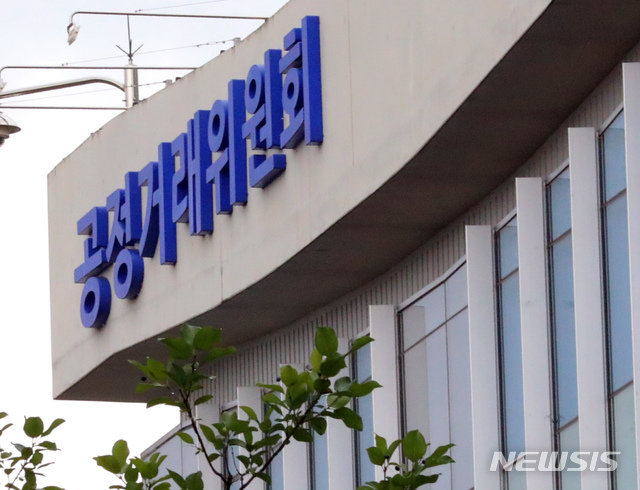
South Korea to Fine Conglomerate Leaders for Hidden Affiliates, Expand Reporting Rights
Translated from Korean, summarized and contextualized by DistantNews.
At a glance
News
Sources not specified
New plan
- South Korea's Fair Trade Commission plans to impose fines on conglomerate leaders who omit affiliated companies during the designation process.
- The commission will also pursue legal revisions to grant direct reporting rights to citizens and central administrative agencies, moving away from the exclusive reporting system.
- These measures are part of a broader plan to reform monopolistic structures and foster fair growth, including easing economic power concentration and enhancing digital market competition.
South Korea's Fair Trade Commission (KFTC) is set to introduce a system that will penalize conglomerate leaders, known as 'controlling shareholders,' with personal fines if they fail to disclose all affiliated companies during the official designation process. The proposed fine could amount to up to 10% of the omitted affiliates' total assets or average annual sales, whichever is greater. This move is part of a broader strategy to curb the concentration of economic power within large business groups.
In a significant shift, the KFTC also announced plans to reform the current exclusive reporting system. This reform aims to allow direct reporting rights to a certain number of citizens, central administrative agencies, and metropolitan local governments. This change is intended to prevent the abuse of the exclusive reporting privilege and enhance market oversight. However, to mitigate potential misuse of these new reporting rights, the commission plans to establish a deliberation committee within each national agency to review cases before any action is taken.
The KFTC's '2026 Second Half Major Work Plan,' unveiled at the Blue House, outlines four key objectives: establishing fair trade order in consumer markets, alleviating power imbalances between economic actors, fostering innovation in the digital market, and mitigating economic power concentration. The plan also includes strengthening regulations against unfair practices, such as self-dealing within conglomerates, and enhancing corporate governance disclosure, particularly concerning environmental, social, and governance (ESG) practices.
Further initiatives include expanding the KFTC's enforcement capabilities in the digital sphere. This involves specifying types of monopolistic behavior related to data usage and swiftly addressing false advertising, including AI-generated content on social media platforms. The commission will also bolster its efforts to quickly remove harmful products from both domestic and international online shopping platforms, expanding its surveillance system to include more platforms like Karrot Market, Joonggonara, and Bunjang. Additionally, the KFTC will intensify its scrutiny of unfair subcontracting practices in key national industries like shipbuilding, plants, and power generation.
DistantNews Editorial
Originally published by Dong-A Ilbo in Korean. Translated, summarized, and contextualized by our editorial team with added local perspective. Read our editorial standards.
More Stories

From Our Blog

What Gets Lost (and Found) When News Is Translated

The Critical Role of Diaspora Media in Global News

What Travellers Should Know About Countries with Restricted Press

A Digital Nomad's Guide to Following Local News

How the Same Story Looks Different in Different Countries
