


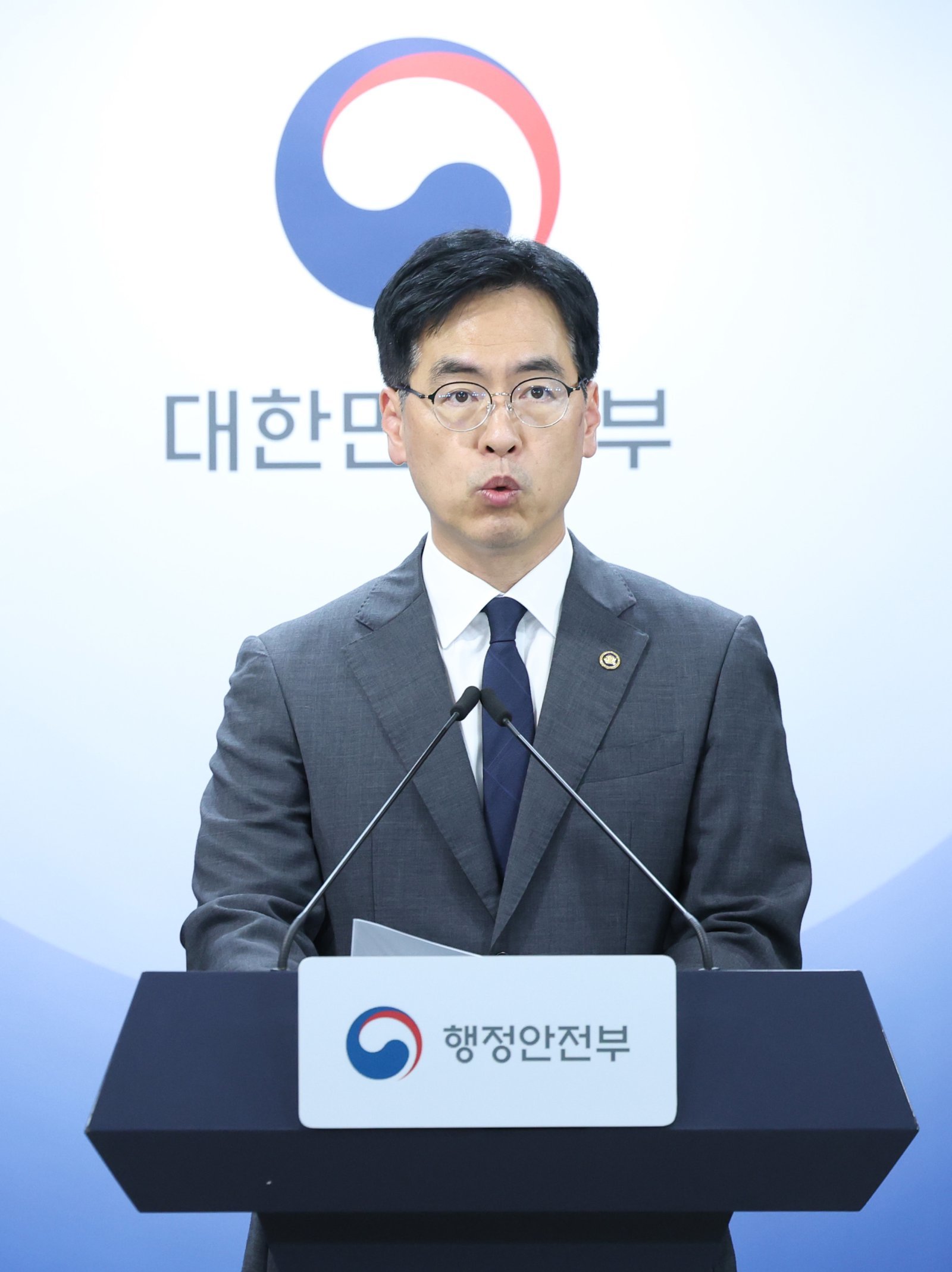
South Korea to limit sole-source contracts awarded by local governments
Translated from Korean, summarized and contextualized by DistantNews.
At a glance
News
Named sources
New plan
- South Korea's Ministry of the Interior and Safety announced measures to prevent local governments from unfairly awarding sole-source contracts to specific companies.
- New limits will restrict local governments to awarding a maximum of five contracts per year to the same company for contracts under 200 million won, or seven contracts for under 300 million won.
- The ministry is also strengthening system controls to prevent public officials from embezzling funds by altering bank account details.
South Korea is implementing new regulations to curb the practice of local governments repeatedly awarding sole-source contracts to the same companies. The Ministry of the Interior and Safety announced these measures on August 13, aiming to ensure fairer competition and prevent potential corruption.
Under the new rules, basic local governments will be limited to awarding no more than five single-bid sole-source contracts, totaling less than 200 million won, to any single company annually. For larger, metropolitan local governments, the limit will be seven contracts, capped at 300 million won. These limits apply to contracts estimated to be worth 20 million won or less for general businesses, and up to 50 million won for youth, female, or disabled-owned enterprises. Exceptions can be made if there's a lack of local businesses, but these must be approved by a contract review committee and publicly disclosed.
To enhance transparency, information on sole-source contracts, including business registration numbers, will be made public. The ministry is also proposing amendments to the Local Assembly Act to mandate the registration and disclosure of private interests for local council members, requiring them to report contracts with related companies in advance.
Furthermore, the ministry is tightening controls to prevent embezzlement of public funds by accounting officials. It has requested a comprehensive audit of public fund management across all local governments, focusing on discrepancies between account names and beneficiaries, and payments made to public officials' personal accounts. The mandatory use of an electronic payment system, 'eHojo+', where vendors directly register accounts and claim payments, will also be enforced. This system will include enhanced verification to prevent payments if the account holder's name does not match the registered details, thereby strengthening safeguards against fraud.
DistantNews Editorial
Originally published by Dong-A Ilbo in Korean. Translated, summarized, and contextualized by our editorial team with added local perspective. Read our editorial standards.
More Stories



From Our Blog

What Gets Lost (and Found) When News Is Translated

The Critical Role of Diaspora Media in Global News

What Travellers Should Know About Countries with Restricted Press

A Digital Nomad's Guide to Following Local News

How the Same Story Looks Different in Different Countries
