

South Korea to overhaul unemployment benefits, setting monthly floor at 1.76 million won
Translated from Korean and summarized by DistantNews. Read the original for the full story.
At a glance
News
Official statement
Approved/passed
- South Korea’s employment authorities finalized a reform that changes the unemployment-benefit calculation from seven days to six, while keeping total payments and entitlement days unchanged.
- The monthly benefit will fall by about 220,000 to 230,000 won, with a 120-day minimum benefit example changing from 1.98 million won per month for four months to 1.76 million won for about 4.7 months.
- The plan also separates parental-leave spending into a new account and raises the employment-insurance contribution rate from 1.8% to 2% next year.
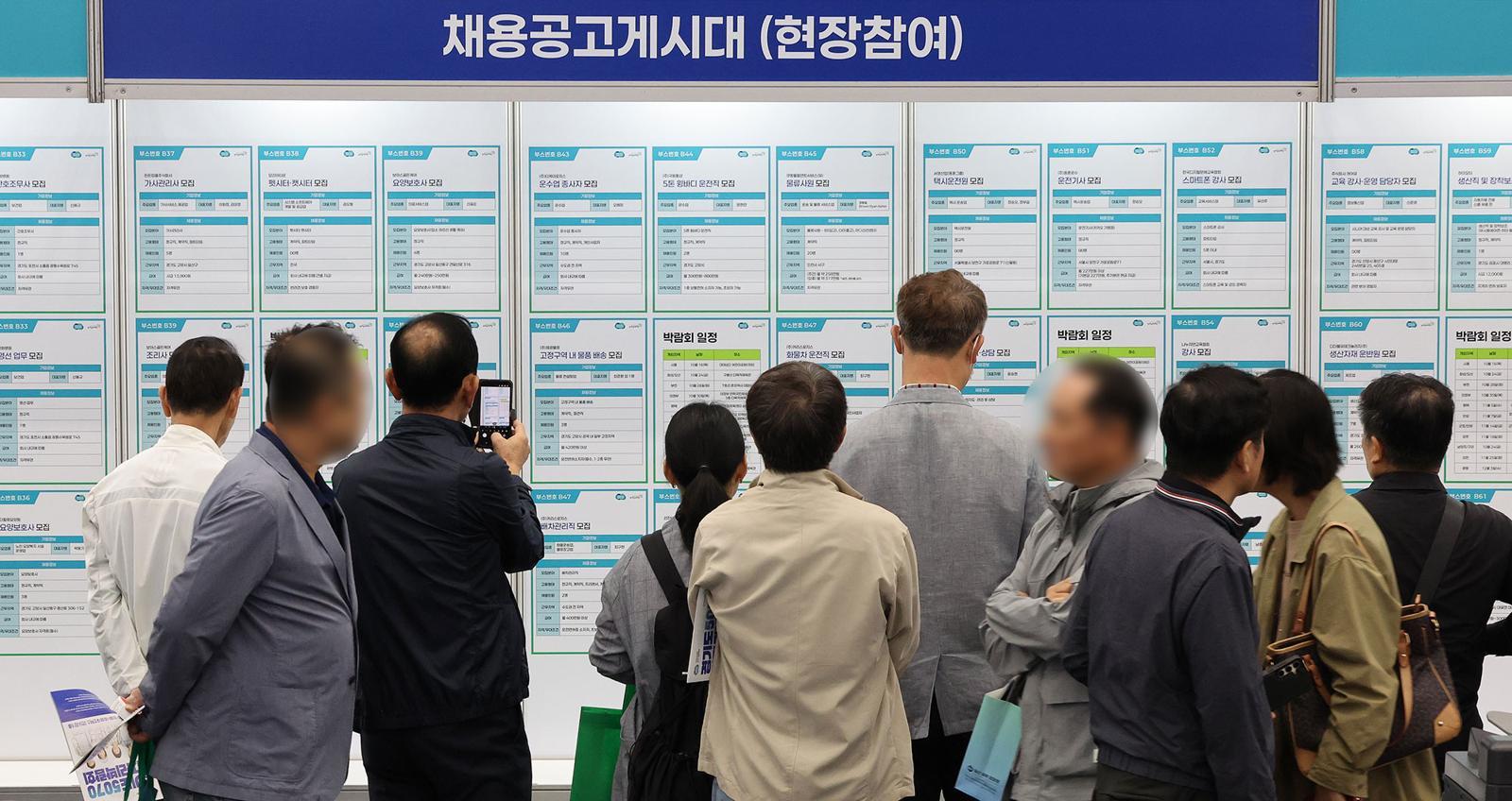
South Korea plans to reshape its unemployment-insurance system to stop benefits from exceeding the take-home pay of minimum-wage workers. The reform would lower monthly payments while extending the period over which recipients receive them.
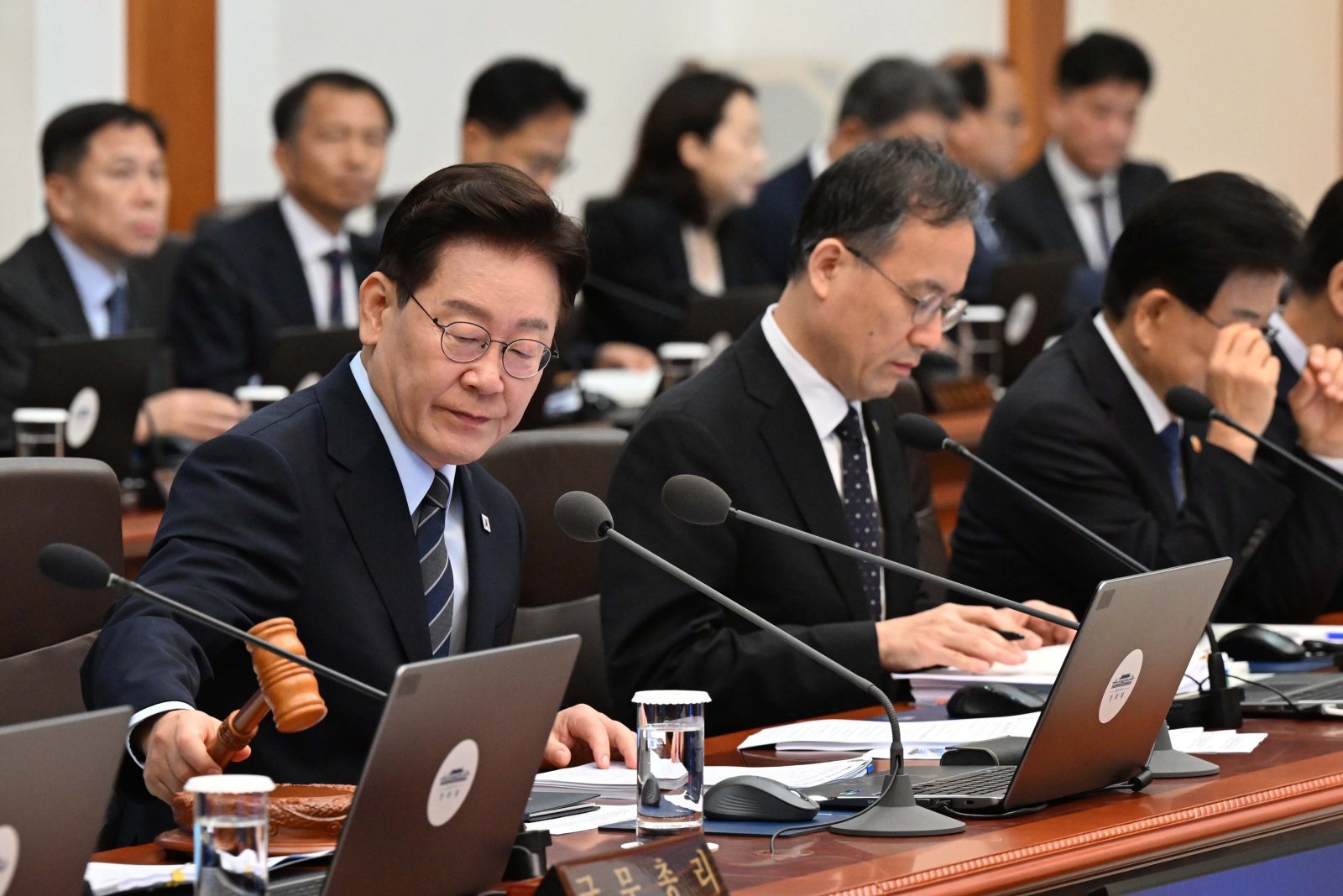
The Employment Insurance Committee finalized the plan on September 1. The government intends to pursue amendments to the employment-insurance law and its enforcement decree within the year.
The main change affects the calculation basis for unemployment benefits. Since the system began in 1995, payments have been calculated over seven days a week, including an unpaid weekly holiday, usually Saturday. The government will move to a six-day basis by excluding that unpaid day.
The number of benefit days and the total amount paid will remain unchanged. The change is expected to reduce monthly payments by about 220,000 to 230,000 won and lengthen the payment period. In the example given, a recipient receiving the minimum benefit for 120 days would move from four monthly payments of 1.98 million won to payments of 1.76 million won over roughly 4.7 months.
The government will also link the upper benefit limit to 103% of the lower limit, allowing it to adjust automatically when the minimum wage raises the lower limit. Early reemployment benefits will become harder to claim, with the qualifying monthly salary threshold falling from below 5.74 million won to below 3 million won.
Parental-leave and other maternity-protection spending will move into a separate work-family balance account. Employment-insurance contributions will rise from 1.8% to 2% next year, with employers and workers each paying 1%. Government transfers will also increase to 900 billion won next year, 50% more than the previous year, with further increases planned through 2029.
About this summary
Originally published by Dong-A Ilbo in Korean. Translated, summarized, and contextualized automatically by DistantNews, with a note on how the source frames the story. Not individually reviewed before publishing. How this works.
More Stories



From Our Blog

What Gets Lost (and Found) When News Is Translated

The Critical Role of Diaspora Media in Global News

What Travellers Should Know About Countries with Restricted Press

A Digital Nomad's Guide to Following Local News

How the Same Story Looks Different in Different Countries
