

South Korea to raise property taxes on luxury, non-residential homes; revise capital gains tax credit
Translated from Korean, summarized and contextualized by DistantNews.
At a glance
News
Named sources
New plan
- South Korea plans to increase property holding taxes for ultra-high-value and non-residential properties.
- The government will also reform the long-term holding special tax credit for capital gains, focusing it on owner-occupiers.
- These proposed changes aim to stabilize the housing market and curb speculation.
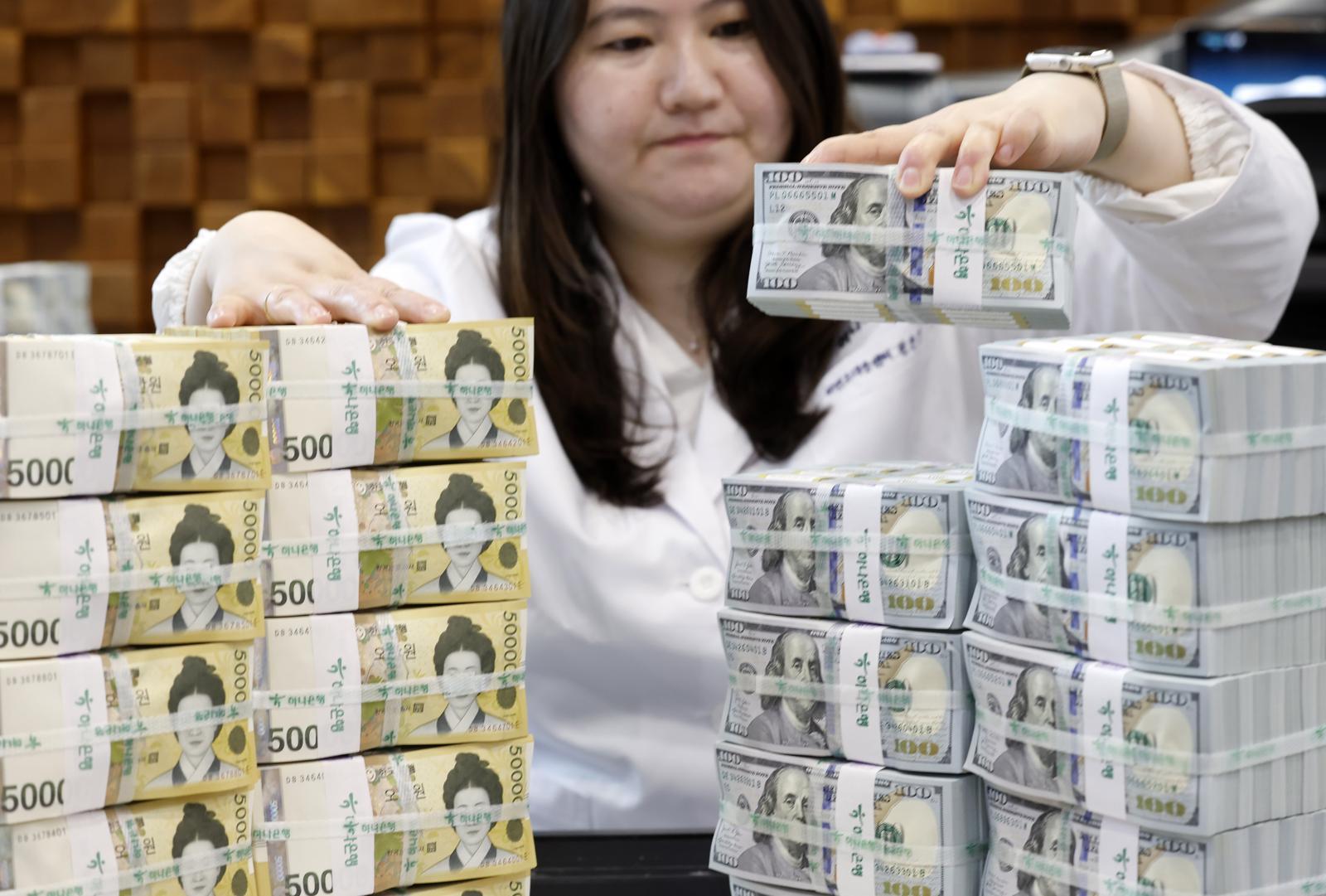
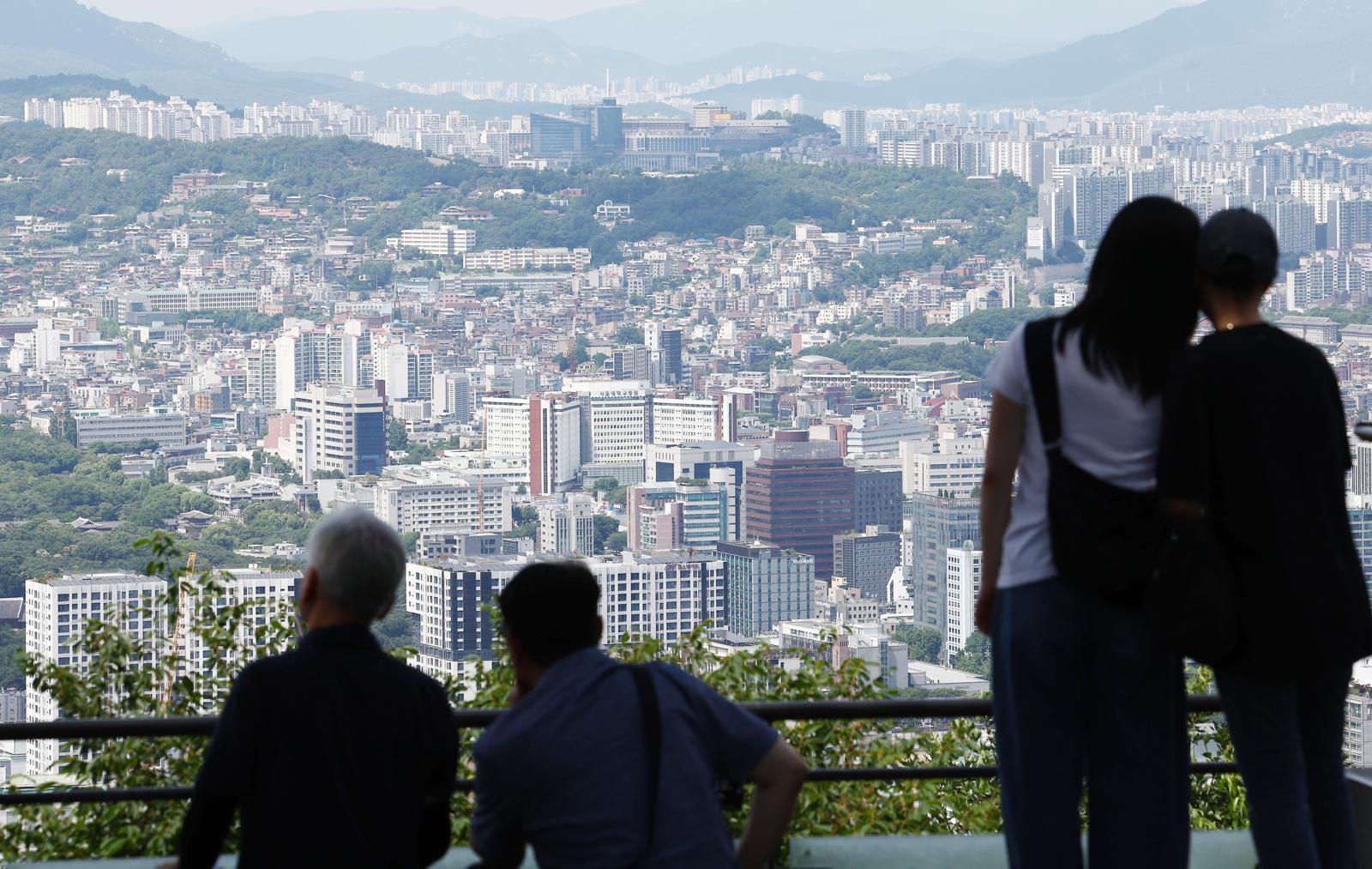
South Korea is moving to adjust its property tax system, planning to raise holding taxes on ultra-high-value and non-residential properties. Alongside this, the government intends to overhaul the long-term holding special tax credit for capital gains, shifting its focus primarily to owner-occupiers.
These proposed tax reforms are part of a broader strategy to stabilize the housing market. The government is examining the current criteria for ultra-high-value homes, defined by official prices exceeding 1.2 billion won (approximately $820,000 USD), and the existing system of tax credits based on holding periods and age, questioning their appropriateness. The reform aims to discourage speculative investment and promote the sale of non-residential or investment properties.
Specifically, the long-term holding special tax credit, which has been criticized for encouraging the ownership of a single, high-value property ('똘똘한 한 채'), will be restructured. Currently, homeowners can receive tax credits based on how long they have owned a property and their age, with these benefits potentially stacking up to 80% and applicable regardless of whether they live in the property. The proposed changes may reduce credits based purely on holding duration and increase benefits tied to actual residency.
Discussions are also underway regarding a potential shift to a value-based taxation system rather than one based on the number of properties owned. While multi-property owners face higher tax rates, the government is considering how to adjust the base deduction amounts and tax burdens to ensure fairness. The Ministry of Economy and Finance is expected to announce the finalized real estate tax reform plan by the end of the month, following public discussions and presidential consultations.
DistantNews Editorial
Originally published by Dong-A Ilbo in Korean. Translated, summarized, and contextualized by our editorial team with added local perspective. Read our editorial standards.
More Stories


From Our Blog

What Gets Lost (and Found) When News Is Translated

The Critical Role of Diaspora Media in Global News

What Travellers Should Know About Countries with Restricted Press

A Digital Nomad's Guide to Following Local News

How the Same Story Looks Different in Different Countries
