


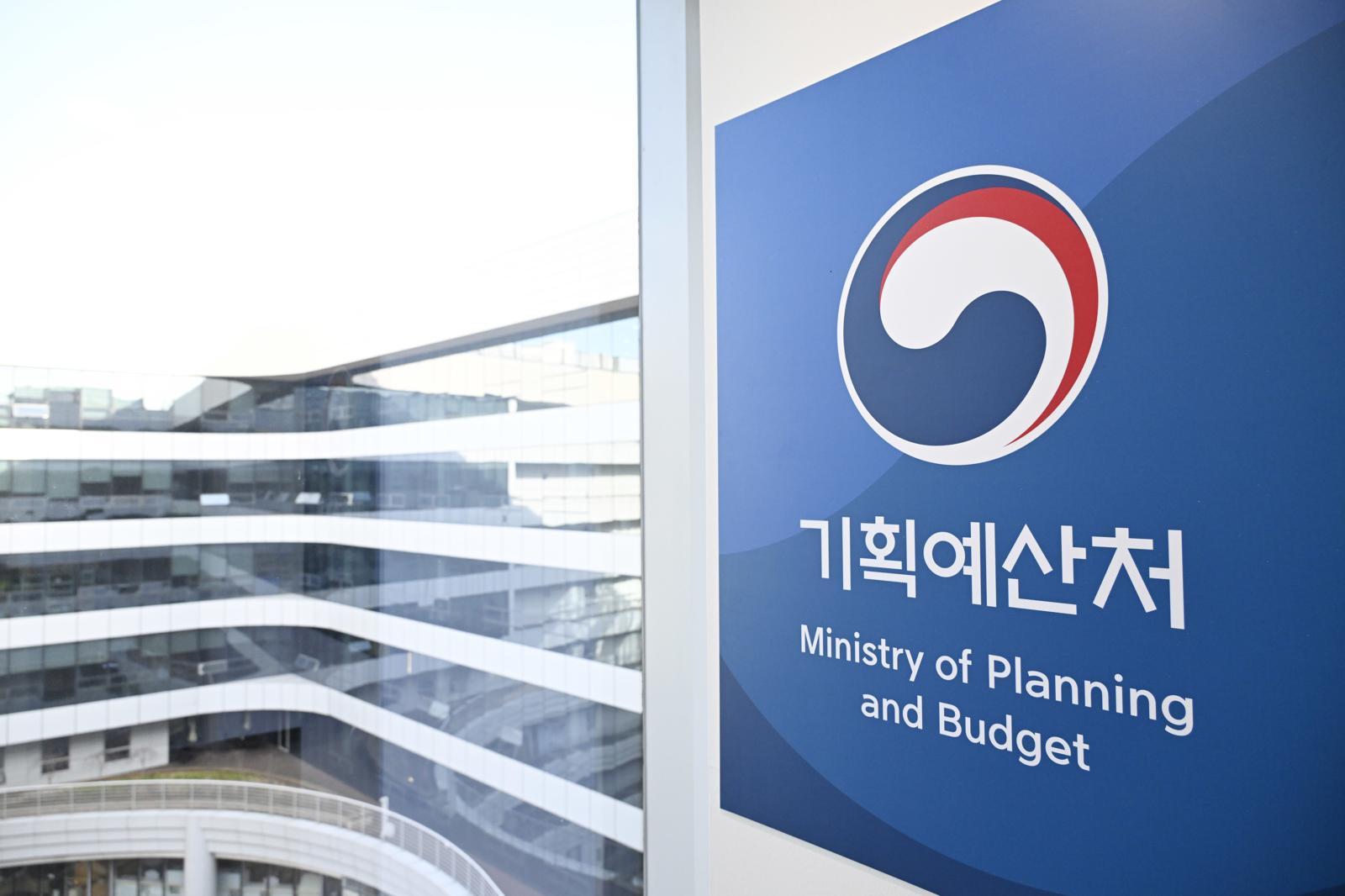
South Korea to Revise Lottery Fund Distribution, Linking Payouts to Performance
Translated from Korean, summarized and contextualized by DistantNews.
At a glance
News
Official statement
New plan
- South Korea will revise its lottery fund distribution system after 20 years.
- The mandatory allocation to eight institutions will be abolished.
- Funding will now be based on project performance and demand.
South Korea is set to overhaul its lottery fund distribution system, a policy that has been in place for nearly two decades. The mandatory allocation of 35% of lottery revenue to 10 institutions, established in 2004 to support existing lottery operators, will be significantly altered.
Under the revised 'Lottery and Lottery Fund Act,' the mandatory distribution to eight of these institutions will be eliminated. The government aims to transition these projects to public service initiatives. This change means that future funding will not be automatically guaranteed but will instead be determined by project demand and performance evaluations.
The reform, approved in a recent cabinet meeting, addresses long-standing criticisms that the fixed allocation ratio failed to reflect the changing financial needs and demands of the institutions. By linking funding to performance, the government seeks to improve the efficiency of the lottery fund and ensure resources are allocated more effectively to impactful projects. The new system is expected to be implemented starting in 2028.
DistantNews Editorial
Originally published by Dong-A Ilbo in Korean. Translated, summarized, and contextualized by our editorial team with added local perspective. Read our editorial standards.
More Stories


From Our Blog

What Gets Lost (and Found) When News Is Translated

The Critical Role of Diaspora Media in Global News

What Travellers Should Know About Countries with Restricted Press

A Digital Nomad's Guide to Following Local News

How the Same Story Looks Different in Different Countries
